If you or someone you know is living with peripheral artery disease (PAD), you’re likely already familiar with the walking pain, the cold feet, and the constant worry about circulation. But here’s something you might not have heard: a simple mineral—potassium—plays a surprisingly direct role in how your blood vessels function.
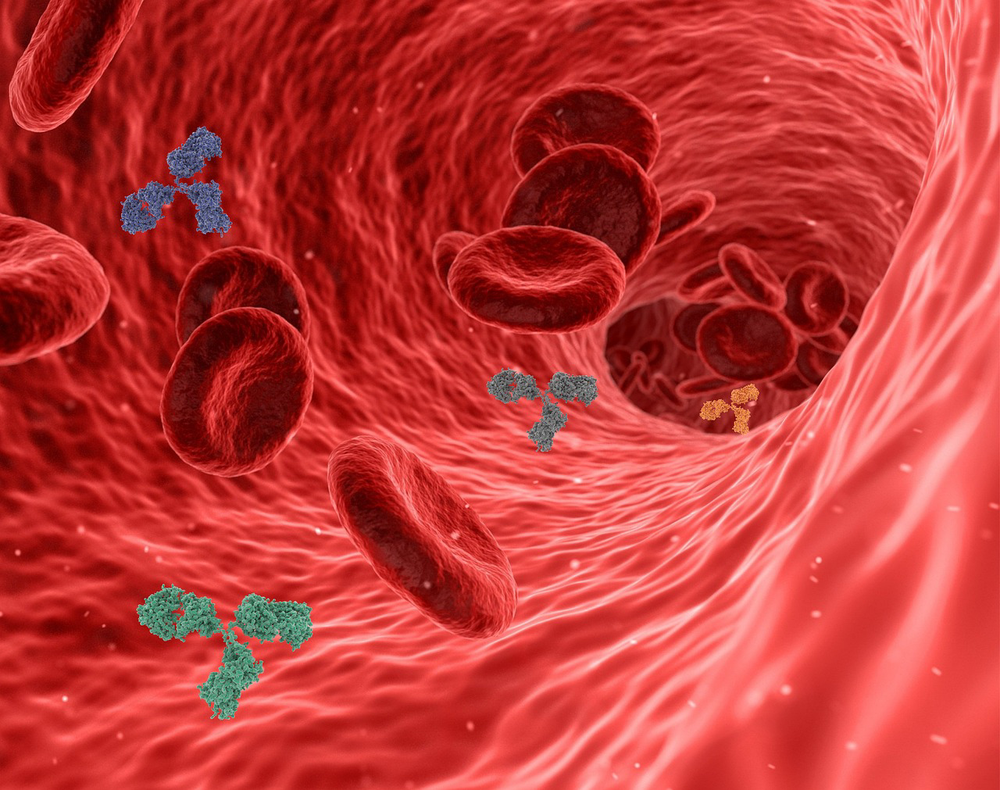
PAD happens when arteries in your legs become narrowed or blocked by plaque, making it harder for oxygen-rich blood to reach your muscles. Potassium, an electrolyte often associated with bananas, actually helps regulate blood pressure and keep the inner lining of your arteries flexible. When levels drop, the vascular system can stiffen, making an already tough condition harder to manage.
What is peripheral artery disease, in plain terms?
Think of your arteries as flexible tubes delivering blood everywhere. In PAD, these tubes narrow—most often in the legs—due to atherosclerosis (the same process that causes heart attacks and strokes). The result? Aching, cramping, or fatigue in the legs during walking or climbing stairs—symptoms that usually ease after a few minutes of rest.
Beyond the discomfort, PAD is a red flag for systemic cardiovascular trouble. People with PAD are at higher risk for heart attack and stroke. That’s why anything that supports overall vessel health—potassium included—matters far beyond the legs.
The potassium–blood vessel connection
Potassium is one of the body’s chief regulators of cellular fluid balance and electrical signaling. But for arteries, two roles stand out:
- Blood pressure control: Potassium helps counterbalance sodium. If you eat a salty meal, potassium encourages your kidneys to flush out excess sodium and relax blood vessel walls, which lowers pressure. Since hypertension is a major driver of PAD progression, keeping potassium in a healthy range eases that burden.
- Endothelial function: The endothelium is the thin layer of cells that lines every artery. When it’s healthy, it releases nitric oxide, a molecule that tells blood vessels to widen. Potassium helps the endothelium produce nitric oxide more efficiently, improving blood flow and reducing arterial stiffness.
One study in the Journal of Clinical Hypertension noted that people with higher dietary potassium intake had lower arterial stiffness—independent of their sodium levels. For PAD patients, less stiff arteries translate to better walking tolerance and less pain during movement.
How potassium specifically helps PAD symptoms
PAD patients often deal with intermittent claudication (leg pain during activity). This cramping occurs because muscles aren’t getting enough oxygen. Potassium cannot clear plaque, but it can improve vasodilation—the process of widening narrowed arteries—which allows more oxygen to reach working muscle tissue.
Research published in Circulation Research suggests that even a mild potassium deficit can impair the endothelium’s ability to dilate. For someone already living with narrowed arteries, that impairment makes an uphill climb steeper. Replenishing potassium through diet helps restore some of the flexibility that atherosclerosis has stolen.
There’s also a blood-pressure angle. Many PAD patients take diuretics or other medicines that can lower potassium levels. When potassium slips into a low-normal range, blood pressure can creep upward, accelerating arterial damage. Keeping potassium in the mid-to-upper part of the normal range supports the overall cardiovascular system that PAD depends on.
Foods that pack potassium—and fit a heart-healthy diet
Before you reach for a supplement, know that potassium from food comes with built-in safeguards. The body absorbs and processes dietary potassium differently than isolated potassium in pills, which can be risky if taken incorrectly. Most adults need about 4,700 mg per day, but people with kidney disease or specific heart medications (like certain ACE inhibitors or potassium-sparing diuretics) must be cautious with high intakes—always check with your doctor.
Here are potassium-rich foods that naturally support PAD management:
- Leafy greens: Spinach, Swiss chard, and beet greens deliver potassium alongside folate and nitrates (which also help vasodilation).
- Root vegetables: Sweet potatoes and beets are both potassium powerhouses. Eat them with the skin on for maximum benefit.
- Legumes: Lentils, white beans, and kidney beans are easy to add to soups or salads.
- Fruit: Bananas are famous for a reason, but avocado, cantaloupe, and oranges also deliver high doses.
- Fish: Salmon, tuna, and halibut provide potassium plus anti-inflammatory omega-3s.
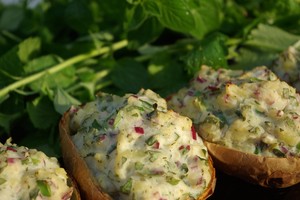
Tip: Pair high-potassium foods with meals that are low in sodium. For instance, top a baked sweet potato with black beans and a squeeze of lime instead of salt—and you’ve doubled down on the vasodilation benefit.
Caveats and real-world perspective
No single mineral is a cure for PAD. Potassium is one piece of a large puzzle that also includes exercise (supervised walking programs are the gold standard), smoking cessation, cholesterol management, and sometimes medication like antiplatelets or statins. Potassium helps create a favorable environment inside your arteries—it does not replace medical treatment.
Some PAD patients worry about leg pain and stop walking, which actually worsens their circulation over time. Adequate potassium can help make walking easier, but it cannot fix a severely blocked artery. If you have PAD and your leg pain is limiting daily life, talk to your vascular specialist about all your options.
The take-home: Potassium is an affordable, widely available tool that supports blood vessel flexibility and blood pressure—two factors that directly affect how PAD feels day to day. By working potassium-rich foods into a heart-healthy, low-sodium meal pattern, you may notice that those first few blocks of walking become noticeably less painful.