Heavy menstrual bleeding, known medically as menorrhagia, can be disruptive and even debilitating. For many women, the question of whether to start or continue hormonal contraception is closely tied to its effect on their flow. Hormonal birth control is commonly prescribed to regulate periods, but its influence on bleeding volume varies depending on the method, the individual's underlying health, and the specific hormones used. This explainer focuses on how different hormonal contraceptives work to lighten—and in some cases, manage—heavy menstrual flow, without venturing into prescription advice or personal medical recommendations.
When you take a hormonal contraceptive, you are introducing synthetic versions of estrogen and progesterone (or progesterone alone) into your system. These hormones alter the natural menstrual cycle by suppressing ovulation and thinning the uterine lining (endometrium). Since heavy bleeding often occurs when the endometrium is thick and sheds heavily, a thinner lining means less blood loss during your period. However, the relationship is not always straightforward, and the total amount of bleeding can change depending on the type of contraception and how your body responds.
How combined hormonal contraceptives reduce bleeding volume
Combined hormonal contraceptives (CHCs) contain both estrogen and progestin. The pill, the vaginal ring, and the contraceptive patch fall into this category. These methods work by stabilizing the endometrial lining, making it thinner and less likely to produce heavy bleeding. The estrogen component also helps prevent breakthrough bleeding between periods. For someone with heavy flow, a CHC can reduce menstrual blood loss by 40 to 50 percent. Many women find their periods become lighter, shorter, and more predictable within three to six months of consistent use.
Continuous or extended-cycle regimens (taking active pills for 12 weeks or more without a break) can eliminate scheduled withdrawal bleeds entirely for several months. This approach is often recommended for women with debilitating heavy bleeding, though it requires a doctor's guidance. It is important to note that these benefits depend on the individual's health profile, including their age, blood pressure, and risk factors for blood clots. Women who smoke, are over 35, or have a history of migraines with aura are typically advised against using CHCs due to increased stroke and clot risks.
Progestin-only methods and their effect on flow
Progestin-only contraceptives (the mini-pill, the hormonal IUD, the implant, and the shot) do not contain estrogen. They primarily work by thickening cervical mucus and thinning the endometrium. Their effect on bleeding is more variable than that of CHCs, but some are specifically indicated for heavy menstrual bleeding.
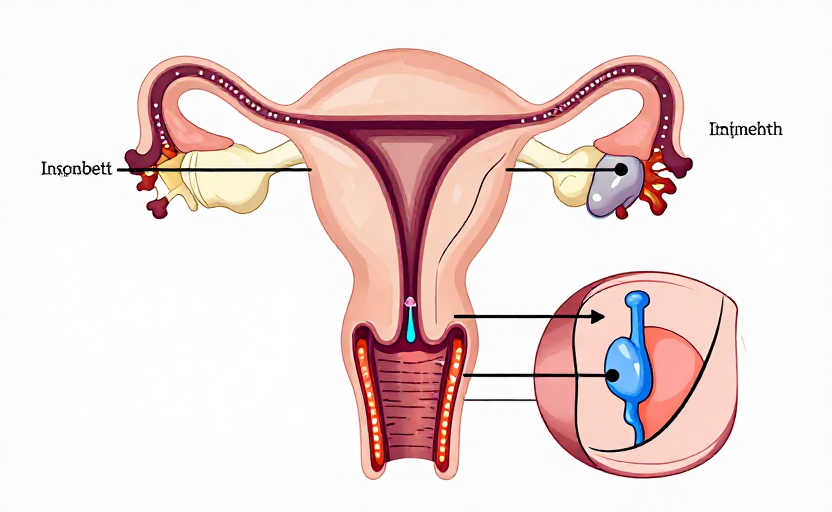
The levonorgestrel-releasing intrauterine device (LNG-IUD, often known by brand names like Mirena) is perhaps the most effective progestin-only method for reducing heavy menstrual flow. It releases a low dose of progestin directly into the uterine cavity, which drastically thins the endometrium over time. Many users experience a dramatic decrease in bleeding after three to six months, and about 50 percent stop having periods altogether within one year. This is a long-acting, reversible method that does not require daily attention.
The etonogestrel implant (often called Nexplanon) also releases progestin steadily, but its effect on bleeding is less predictable. Some women experience infrequent, light bleeding, while others may have prolonged spotting or increased frequency of bleeding episodes, at least initially. Similarly, the depot medroxyprogesterone acetate shot (Depo-Provera) can lead to amenorrhea (no periods) after a few doses, but initial months may involve irregular bleeding.
Potential reasons for continued or worsening heavy bleeding on contraception
While hormonal contraception reduces bleeding for many, it does not work for everyone. If you are on a combined pill and continue to experience heavy withdrawal bleeds, or if your bleeding becomes heavier on a progestin-only method, several factors could be at play. Underlying conditions like uterine fibroids, endometrial polyps, or adenomyosis are common causes of heavy bleeding that contraception alone may not fully address. Blood clotting disorders, thyroid dysfunction, and pelvic inflammatory disease can also contribute. If heavy bleeding persists or worsens after three months of consistent contraceptive use, it is advisable to consult a healthcare provider for further evaluation, including ultrasound or lab work.
Key considerations before using hormonal contraception for heavy bleeding
Hormonal contraception should never be viewed as a cure-all for heavy flow. It is a management tool, not a treatment for underlying conditions. Contraindications apply, especially for women with a history of blood clots, liver disease, or certain cancers. Additionally, the goal should always be to reduce bleeding to a manageable level, not necessarily to stop periods entirely. Non-hormonal options, such as tranexamic acid (a medication that helps blood clot) or nonsteroidal anti-inflammatory drugs (NSAIDs like ibuprofen), can also reduce bleeding and are sometimes used alongside hormonal methods. Lifestyle factors, including maintaining a healthy body weight and managing stress, can influence overall cycle regularity.
A practical note: If you are considering hormonal contraception specifically to manage heavy menstrual bleeding, ask your healthcare provider to discuss the expected timeline for improvement, potential side effects, and what to do if bleeding does not lighten. It is a shared decision-making process, not a one-size-fits-all solution.
When to see a doctor
You should consult a healthcare provider if you are soaking through one or more pads or tampons every hour for several hours, passing blood clots larger than a quarter, experiencing severe cramps that limit daily activities, or noticing bleeding that lasts longer than seven days. These signs warrant medical evaluation. Similarly, if you develop new or worsening symptoms after starting a new contraceptive method—such as chest pain, leg swelling, or jaundice—seek medical attention promptly.