When you get a copy of your thyroid function test results, the rows of numbers and abbreviations can feel like a foreign language. It is one thing to know if a level is flagged high or low, but it is quite another to understand what that actually means in the context of your daily energy, weight, and overall health. A dietitian looks at these labs not just as pass or fail marks, but as clues about how well your body is converting fuel into energy and managing its metabolic thermostat.
This guide walks through how a health professional trained in nutrition interprets the four main thyroid markers, what the patterns tell us about eating habits and nutrient intake, and the questions you should ask before making any changes to your plate.
The Core Markers Dietitians Focus On
Most standard thyroid panels include TSH, Free T4, and Free T3, and sometimes TPO antibodies. Each marker plays a specific role, and a dietitian’s interpretation begins with looking at the ratios and the whole pattern, not any single number in isolation.
TSH (Thyroid-Stimulating Hormone)
TSH is the messenger hormone sent from your pituitary gland to tell your thyroid gland to produce more hormone. It is often the most sensitive test. A high TSH typically means the thyroid is sluggish and needs extra prodding, while a low TSH can signal that the thyroid is overactive. For a dietitian, the TSH level often dictates the first line of inquiry about goitrogen intake, iodine status, and overall caloric sufficiency.
Free T4 and Free T3
Free T4 is the storage form of thyroid hormone, and Free T3 is the active form that actually works at the cellular level. A dietitian looks closely at the conversion rate between these two. If Free T4 is normal or high but Free T3 is low, it often suggests a conversion problem. This is one of the most common findings in clinical practice, and it points directly to nutrient status—specifically zinc, selenium, and iron—as well as factors like chronic stress, low-calorie dieting, or inflammation.
TPO Antibodies
When antibodies are elevated, it indicates an autoimmune attack on the thyroid, most often Hashimoto’s thyroiditis. For a dietitian, this changes the nutritional approach significantly. The goal shifts from just supporting hormone production to also calming immune activity. This often involves looking at gut health, food sensitivities, and anti-inflammatory eating patterns.
One important caveat to keep in mind: reference ranges can vary by lab, and what is optimal for one person may not be for another. Many dietitians train to look at functional ranges—tighter, more individualized windows of optimal health—rather than just the broad population range.
A single lab value is a snapshot in time, not the whole story. Your diet, stress, sleep, and supplement timing all influence these numbers day to day.
Lab Patterns and What They Suggest About Nutrition
Rather than memorizing a long list of numbers, dietitians often categorize results into patterns. Here are the three most common patterns and the nutritional considerations for each.
Pattern One: High TSH, Normal T4 and T3
This is considered subclinical hypothyroidism. The thyroid is still producing enough hormone to get by, but the pituitary is working harder to keep it there. Nutritionally, a dietitian might check iodine intake (not too much, not too little), assess for selenium deficiency, and evaluate whether total calorie or carbohydrate intake is too low, which can elevate TSH. Stress management and sleep also play large roles here.
Pattern Two: Normal TSH, Low Free T3
This is a conversion issue, often called low T3 syndrome. The thyroid is getting the message, but the body is not converting the storage hormone into the active form. Dietitians will prioritize zinc-rich foods (oysters, pumpkin seeds, beef), selenium-rich foods (Brazil nuts, tuna, eggs), and iron status (red meat, spinach, lentils). This pattern also responds well to reducing chronic stress and ensuring adequate carbohydrate intake, as low-carb diets can further suppress T3 production.
Pattern Three: High Antibodies with Any TSH Level
When autoimmunity is present, the approach broadens. A dietitian may suggest a trial elimination of common triggers like gluten, dairy, or soy for some individuals, though this is highly personal. The focus also moves to supporting the gut lining, increasing omega-3 fatty acids, and ensuring adequate vitamin D and magnesium levels. The aim is not necessarily to eliminate antibodies entirely, but to reduce the inflammatory load so the thyroid can function more efficiently.
How Dietitians Use Lab Results to Build a Plan
Interpreting the test is only the first step. What you actually eat is where the lab values meet reality. Here is how a dietitian translates the numbers into practical food choices.
- For iodine support: A dietitian will assess seaweed, fish, dairy, and iodized salt intake. They caution against mega-dosing iodine because too much can worsen autoimmune thyroiditis.
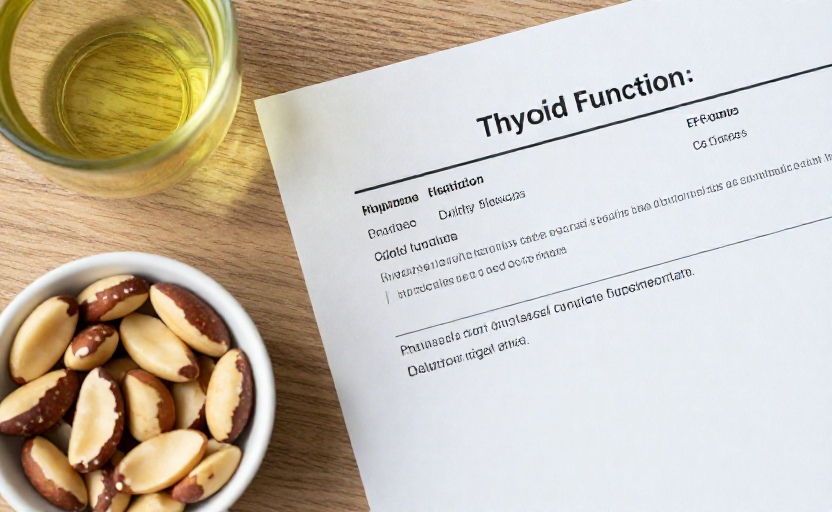
- For selenium: Two Brazil nuts per day are often enough to meet needs. They will also look at eggs, sardines, and sunflower seeds.
- For zinc: Oysters are the richest source, but beef, pumpkin seeds, and chickpeas also contribute. Vegetarians with thyroid issues need to pay special attention here.
- For iron: Low iron can impair thyroid function. Dietitians look to red meat, chicken liver, fortified cereals, and pairing plant iron with vitamin C (like spinach with lemon).
- For magnesium: Leafy greens, almonds, and black beans are top sources. Magnesium is often overlooked but plays a role in T4 to T3 conversion.
Frequently Asked Questions
These are common questions that come up when people begin to look at their own thyroid labs with a nutrition focus.
Can diet alone fix an abnormal TSH level?
Diet can significantly improve thyroid function in many cases, especially when the issue is nutrient deficiency or conversion problems. However, if TSH is very high or low, or if autoimmunity is severe, diet works alongside medication, not as a replacement. A dietitian supports medication by providing the nutrients needed for it to work optimally.
Should I avoid all goitrogenic foods if I have thyroid issues?
Goitrogens are compounds found in cruciferous vegetables like broccoli, kale, and cabbage that can interfere with thyroid function in very large amounts. For most people, especially if the thyroid is healthy or if vegetables are cooked, the benefits of these foods far outweigh the risk. A balanced approach is preferred over elimination.
How long does it take for diet changes to affect thyroid labs?
Mineral stores and thyroid hormone conversion can shift in a matter of weeks to a few months. Typically, dietitians recheck labs after 8 to 12 weeks of consistent dietary changes. Some people see improvements in symptoms quickly, while lab markers may take slightly longer to stabilize.
Do I need to take supplements based on my results?
The best strategy is to get nutrients from food first. A dietitian will only recommend supplements if a deficiency is confirmed or strongly suspected from the lab pattern and dietary history. Taking random supplements like iodine or selenium without a clear picture can actually worsen thyroid function. Always test before you supplement.
Understanding your thyroid function test results is empowering, but it is only one piece of the puzzle. A dietitian helps you read between the lines of the lab values, connecting the numbers to how you feel and what you eat every day. If you have your recent labs and feel uncertain about your next step, talking to a qualified professional who looks at both the numbers and your diet is a very smart move.