If you’re navigating the complexities of PCOS and its hallmark irregular cycles, you’ve likely encountered a tidal wave of conflicting diet advice. One day it’s keto, the next it’s vegan, and somewhere in between, a dozen supplements promise to be the magic fix. It can feel overwhelming, leaving you wondering what to actually put on your plate. The truth is, there is no single “PCOS diet.” Instead, registered dietitians work from a set of foundational, evidence-based principles designed to support your body’s unique needs, reduce symptoms, and cultivate a sustainable, peaceful relationship with food.
This approach moves away from restriction and toward nourishment. It’s less about rigid rules and more about strategic, gentle adjustments that can help manage insulin resistance, balance hormones, and support overall metabolic health—key factors influencing cycle regularity for many with PCOS.
What’s the Core Connection Between Food and PCOS?
To understand the dietitian’s approach, it helps to look at the common physiological threads in PCOS. Up to 70% of individuals with PCOS have some degree of insulin resistance. This means your body’s cells don’t respond efficiently to insulin, the hormone that ushers glucose (sugar) from your bloodstream into cells for energy. As a result, your pancreas pumps out more insulin to compensate.
Elevated insulin levels can drive the ovaries to produce more androgens (like testosterone), which can disrupt ovulation and lead to those frustratingly irregular or absent cycles. It can also make weight management more challenging and contribute to inflammation. Therefore, a primary goal of nutritional therapy is to improve insulin sensitivity—to help your body use insulin more effectively. This isn’t about weight loss as a moral imperative; it’s about metabolic support that can, in turn, help regulate hormonal signals.
The Foundational Pillars of a PCOS-Friendly Eating Pattern
Dietitians build eating plans on pillars of balance and consistency, not elimination. These aren’t quick fixes but lifelong habits.
Prioritize Slow-Release Carbohydrates
Carbohydrates aren’t the enemy, but the type and pairing matter immensely. The focus shifts from refined carbs (white bread, pastries, sugary drinks) to high-fiber, complex carbohydrates that digest slowly, preventing sharp spikes in blood sugar and insulin.
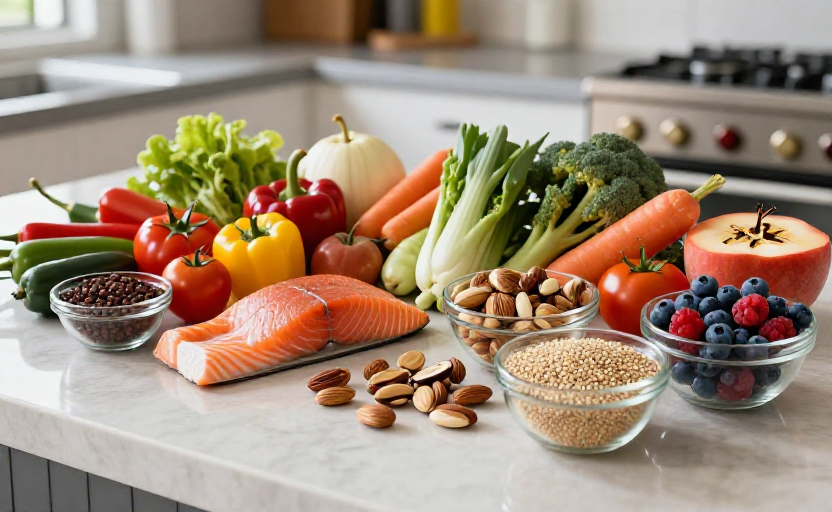
- Non-starchy vegetables: Fill half your plate with leafy greens, broccoli, peppers, zucchini, and mushrooms.
- High-fiber fruits: Berries, apples with the skin, pears, and oranges are excellent choices.
- Whole grains and legumes: Think quinoa, oats, farro, lentils, chickpeas, and black beans.
Pairing a carb with a source of protein or healthy fat at every meal and snack is a simple, powerful strategy to further slow digestion and stabilize blood sugar.
Include Adequate, Quality Protein
Protein promotes satiety, helps maintain muscle mass, and has a minimal impact on blood sugar. Aim to include a source with each meal.
- Plant-based: Lentils, tofu, tempeh, edamame, and legumes.
- Lean animal-based: Chicken, turkey, fish, eggs, and Greek yogurt.
Don’t Fear Healthy Fats
Healthy fats are crucial for hormone production and help you feel satisfied. They are not fattening in the context of a balanced diet.
- Avocados and avocado oil
- Nuts and seeds (walnuts, almonds, chia, flax)
- Olive oil
- Fatty fish like salmon and sardines (rich in anti-inflammatory omega-3s)
Embrace Anti-Inflammatory Foods
Chronic low-grade inflammation is often present in PCOS. An eating pattern rich in antioxidants and anti-inflammatory compounds can help counter this.
This looks like a colorful, plant-forward diet abundant in herbs and spices (like turmeric and cinnamon), green tea, berries, and those healthy fats mentioned above. It’s less about adding a single “superfood” and more about the cumulative effect of your overall dietary pattern.
Practical Strategies for Real-Life Application
Knowing the pillars is one thing; implementing them is another. Dietitians often suggest starting with one or two manageable shifts.
Build a Balanced Plate
Visualize your plate at main meals: aim for roughly ½ non-starchy vegetables, ¼ lean protein, and ¼ high-fiber carbohydrates. Add a thumb-sized portion of healthy fat.
Rethink Your Snacks
Move beyond carb-only snacks. Pair an apple with a tablespoon of almond butter, enjoy carrots with hummus, or have a few whole-grain crackers with cheese. This combo provides lasting energy.
Mindful Eating and Regular Timing
Eating at somewhat regular intervals (e.g., every 3-5 hours) can prevent extreme hunger that leads to less mindful choices and blood sugar dips. Tuning into hunger and fullness cues is also part of the process, helping to rebuild a trusting relationship with your body’s signals.
Progress, not perfection, is the goal. One “off” meal doesn’t undo your overall pattern.
Addressing Common Questions and Concerns
In practice, dietitians spend considerable time clarifying misconceptions. Dairy and gluten are not universally problematic for PCOS. Some may find they feel better reducing them, especially if they have a separate sensitivity, but they are not inherently harmful for everyone with the condition. Similarly, while some may benefit from a lower-carb approach, extreme restriction is rarely sustainable or necessary for all.
The role of supplements like inositol, vitamin D, or magnesium is also highly individual. A dietitian can help you understand the evidence and determine if testing for deficiencies might be warranted before recommending any specific supplement, always in conjunction with your healthcare provider.
Beyond the Plate: The Holistic View
No discussion of PCOS and cycles is complete without acknowledging that food is one piece of a larger puzzle. Dietitians view nutrition as part of a holistic foundation that also includes:
- Stress Management: Chronic stress elevates cortisol, which can worsen insulin resistance and disrupt cycles. Practices like yoga, meditation, or even simple breathing exercises are valuable tools.
- Gentle Movement: Exercise that you enjoy and can sustain is key. This isn’t about punishing workouts; it’s about regular movement like walking, strength training, or cycling, which improves insulin sensitivity and supports mental health.
- Sleep Hygiene: Poor or insufficient sleep can directly impact insulin and hunger hormones. Prioritizing consistent, quality sleep is a non-negotiable aspect of metabolic health.
The journey with PCOS is personal. A dietitian’s ultimate goal is to equip you with knowledge and flexible strategies, empowering you to make food choices that make you feel nourished, energized, and supported, while working in harmony with your body’s need for hormonal balance.