Polycystic ovary syndrome (PCOS) affects how your body processes insulin, which in turn can throw off hormone balance and make it harder to conceive. While there's no single cure, what you eat plays a powerful role in managing the underlying issues. A thoughtfully designed meal plan doesn't just manage symptoms — it actively works to lower insulin levels and support regular ovulation.
This is not about strict deprivation. It is about choosing foods that steady your blood sugar, reduce inflammation, and give your body the nutrients it needs to restore a healthy cycle. Below is a practical 7-day approach that targets insulin resistance head-on, with the goal of improving fertility outcomes naturally.
Why insulin resistance matters in PCOS
Insulin is a hormone that helps your cells use glucose for energy. In many women with PCOS, the cells stop responding properly — a condition called insulin resistance. Your pancreas tries to compensate by pumping out more insulin. That excess insulin signals your ovaries to produce more testosterone, which can stop eggs from maturing and being released.
The good news is that diet is one of the most effective tools for lowering circulating insulin. When you eat meals that keep your blood sugar stable, your body needs less insulin, and the hormonal cascade that disrupts ovulation begins to quiet down.
Core principles of a PCOS fertility meal plan
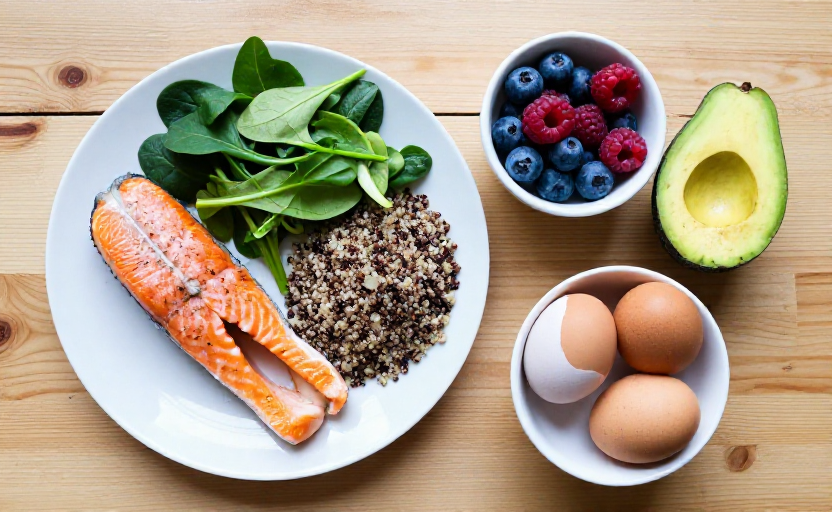
Every meal in this plan follows three simple rules: prioritize protein and healthy fat, choose low-glycemic carbohydrates, and include plenty of fiber. Together, these nutrients slow down digestion, prevent blood sugar spikes, and keep you full and satisfied.
- Protein at every meal: Eggs, poultry, fish, tofu, and legumes help stabilize glucose and reduce cravings.
- Healthy fats: Avocado, olive oil, nuts, and seeds support hormone production and lower inflammation.
- Fiber-rich carbs: Non-starchy vegetables, berries, quinoa, and beans provide steady energy without spiking insulin.
- Anti-inflammatory spices: Turmeric, cinnamon, and ginger can help reduce the chronic low-grade inflammation common in PCOS.
Your 7-day PCOS meal plan for insulin resistance and fertility
Day 1: Monday — balance reset
Breakfast: Two scrambled eggs with a handful of spinach and mushrooms, cooked in olive oil. Add half an avocado on the side.
Lunch: Grilled chicken breast over a large bed of romaine, cucumber, bell peppers, and cherry tomatoes. Dress with tahini-lemon vinaigrette.
Dinner: Baked salmon with roasted broccoli and cauliflower drizzled with olive oil and garlic. Quinoa on the side (half a cup cooked).
Snack: A small apple with two tablespoons of almond butter.
Day 2: Tuesday — fiber focus
Breakfast: A smoothie made with unsweetened almond milk, a handful of spinach, half a cup of frozen berries, one scoop of unsweetened protein powder, and a tablespoon of flaxseed.
Lunch: Lentil soup made with carrots, celery, onions, and turmeric. Serve with a side of mixed greens and a simple vinaigrette.
Dinner: Stir-fried tofu with bok choy, snow peas, and bell peppers in coconut aminos. Serve over cauliflower rice.
Snack: A handful of walnuts and a small pear.
Day 3: Wednesday — iron boost
Breakfast: A two-egg omelet with sliced tomatoes and basil. One slice of sprouted grain bread, toasted, with a thin layer of avocado.
Lunch: Turkey lettuce wraps with sliced bell peppers, cucumber, and a little mustard. Add a small cup of lentil soup.
Dinner: Grass-fed beef patty (no bun) with a large side of roasted asparagus and a sweet potato (medium size) baked with cinnamon.
Snack: Celery sticks with a tablespoon of sunflower seed butter.
Day 4: Thursday — anti-inflammatory power
Breakfast: Greek yogurt (plain, full-fat) with a tablespoon of chia seeds, a few chopped almonds, and a half cup of blueberries.
Lunch: Salmon salad (canned wild salmon mixed with mashed avocado, lemon juice, and dill) served in endive leaves or on cucumber slices.
Dinner: Baked chicken thighs seasoned with rosemary and garlic. Served with sautéed zucchini, yellow squash, and a side of wild rice (half a cup).
Snack: One hard-boiled egg with a pinch of paprika.
Day 5: Friday — veggie abundance
Breakfast: Chia pudding made with unsweetened coconut milk, chia seeds, and a dash of vanilla. Top with sliced strawberries.
Lunch: Large salad with mixed greens, canned chickpeas, diced cucumber, shredded carrots, and a generous amount of olive oil and vinegar.
Dinner: Shrimp and vegetable kabobs (zucchini, cherry tomatoes, red onion) grilled or roasted. Serve with a side of roasted cauliflower.
Snack: A small handful of macadamia nuts.
Day 6: Saturday — grounding grains
Breakfast: Two poached eggs over a bed of sautéed kale and a half cup of cooked quinoa.
Lunch: Leftover shrimp and vegetable kabobs over a big green salad.
Dinner: Black bean and sweet potato chili (cooked with cumin, chili powder, and a small amount of cinnamon). Top with sliced avocado.
Snack: A small bowl of mixed berries with a dollop of coconut cream.
Day 7: Sunday — meal prep for the week ahead
Breakfast: A frittata made with eggs, leftover roasted vegetables, and a little feta cheese.
Lunch: Open-faced sandwich on one slice of sourdough or sprouted grain bread with mashed avocado, smoked salmon, and a handful of arugula.
Dinner: Roasted chicken breast with a side of steamed green beans and a baked sweet potato.
Snack: A small apple with a few pecans.
What to drink (and what to avoid)
What you drink matters just as much as what you eat. Water should be your main beverage. Herbal teas like spearmint and chamomile can offer added benefits — spearmint has been shown to help lower testosterone levels in some women with PCOS. Coffee is fine in moderation (one cup, black or with a splash of unsweetened milk), but avoid sugary lattes and sodas. Alcohol can disrupt blood sugar and should be kept to a minimum, if you drink at all.
Tip: Start each morning with a full glass of water. Dehydration can raise cortisol, which worsens insulin resistance.
Supplements that complement a PCOS meal plan
While food comes first, certain nutrients may support the work you are doing with diet. Inositol (specifically myo-inositol and D-chiro-inositol in a 40:1 ratio) is one of the most studied supplements for improving insulin sensitivity and ovulation in PCOS. Magnesium, chromium, and vitamin D also play supportive roles. Always speak with a healthcare provider before starting any supplement to find the right approach for your individual needs.
Frequently asked questions about PCOS meal planning
Can I follow a vegetarian version of this plan?
Yes. Swap animal protein for tofu, tempeh, legumes, and eggs (if you eat them). Just be mindful of getting enough protein at each meal.
Will this diet help me get pregnant right away?
Diet is one piece of a larger puzzle. Many women see improvements in cycle regularity within a few months, but individual results vary. This plan is designed to create the best possible hormonal environment for conception.
How strict do I need to be with the meal plan?
Think of it as a template. Stick to the principles — protein, fat, fiber, low-glycemic carbs — even if you swap specific foods. Consistency matters more than perfection.
Should I count calories or track macros?
This plan focuses on food quality, not calorie restriction. Most women with PCOS do better by eating satisfying meals that prevent blood sugar crashes. If counting macros helps you stay on track, that is fine, but it is not required.