
Menopause brings a cascade of hormonal shifts that can affect sleep, mood, body temperature, and metabolism. While every woman's experience is unique, gynecologists point to three key dietary factors that can either ease or worsen those symptoms. Here is what the research and clinical experience suggest about food choices during this transition.
Phytoestrogens and Hormonal Balance
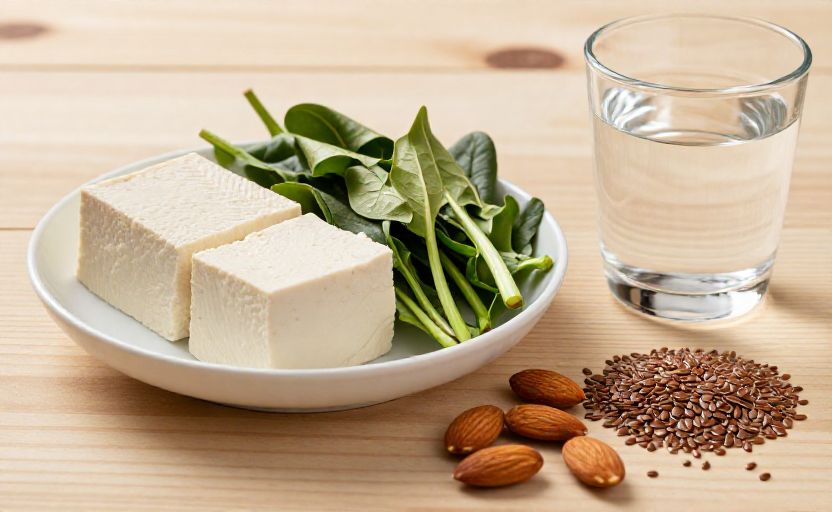
Phytoestrogens are plant compounds that structurally resemble the estrogen our bodies produce. Foods rich in these compounds—such as soy (tofu, edamame, tempeh), flaxseeds, sesame seeds, and whole grains like oats and barley—may help temper hot flashes and night sweats for some women. The idea is not that phytoestrogens replace estrogen but that they can bind to estrogen receptors and modulate the body's response to fluctuating hormone levels.
Not all studies agree on the degree of benefit, and individual responses vary. A woman who regularly consumes soy products may notice fewer vasomotor symptoms, while another might see little change. The key is consistency: sporadic intake rarely produces noticeable effects. Gynecologists typically recommend incorporating these foods as part of a balanced diet rather than turning to concentrated supplements, which can deliver unpredictable doses.
Blood Sugar Stability and Symptom Severity
Blood sugar swings can amplify many menopause symptoms, including irritability, fatigue, brain fog, and hot flashes. When blood sugar spikes after a high-carb, high-sugar meal and then crashes, the body releases stress hormones like cortisol and adrenaline, which can trigger or worsen hot flashes and disrupt sleep.
Gynecologists often advise women to focus on meals that pair protein, healthy fat, and fiber. For example, a breakfast of eggs with avocado and berries is far less likely to cause a reactive blood sugar surge than a bowl of sugary cereal or a pastry. Eating at regular intervals—rather than going long stretches without food—also helps maintain steady glucose levels and can reduce the intensity of hot flashes.
The takeaway: prioritize whole, minimally processed foods and keep added sugars to a minimum. This approach supports not only symptom management but also long-term metabolic health, which becomes increasingly important after menopause when heart disease risk rises.
Calcium, Vitamin D, and Bone Health
The drop in estrogen during menopause accelerates bone loss, making calcium and vitamin D crucial dietary factors. While these nutrients do not directly affect hot flashes or mood, they are central to overall health during this phase. Without adequate intake, the risk of osteoporosis and fractures increases significantly.
Gynecologists recommend aiming for 1,200 mg of calcium per day (from food sources first, such as dairy, fortified plant milks, leafy greens, and canned fish with bones) and 600–800 IU of vitamin D (from sunlight, fortified foods, or supplements as needed). It is worth noting that calcium intake should be spread throughout the day—your body absorbs it better in doses of 500 mg or less at a time.
Some women also benefit from magnesium-rich foods (nuts, seeds, legumes, dark leafy greens), which support sleep and muscle relaxation, and vitamin K2, which helps direct calcium to bones rather than soft tissues. As always, discuss any supplement plan with your healthcare provider to avoid overdoing any single nutrient.
A note on hydration: Many women mistake thirst for hunger and reach for snacks when water would serve them better. Staying well-hydrated can reduce the severity of hot flashes and help with energy levels. Aim for at least eight glasses of water daily, more if you are active or live in a warm climate.
Putting It All Together
There is no magic menopause diet, but the evidence consistently points to three pillars: phytoestrogen-rich foods for hormonal modulation, blood sugar–stable eating patterns for symptom control, and adequate calcium and vitamin D for long-term bone health. These aren't quick fixes—they are lifestyle adjustments that support your body through a major biological transition.
If you are navigating menopause symptoms, consider keeping a simple food diary for a week. Note what you eat and how you feel in the hours afterward. Patterns often emerge that can guide your choices better than any generic advice. And always consult your gynecologist or a registered dietitian before making significant dietary changes, especially if you have underlying health conditions or are taking medications.