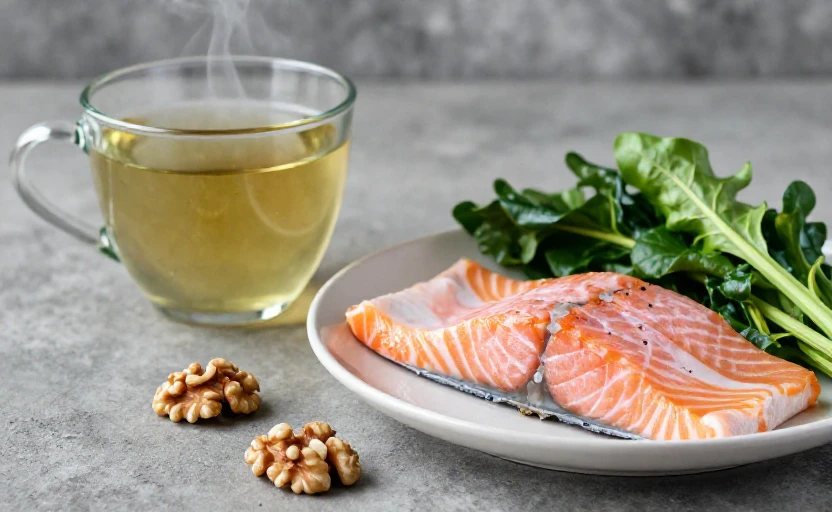
When anxiety feels like a constant hum in the background of your life, the idea of finding relief in your kitchen can be incredibly appealing. While food is not a substitute for professional mental health care, the nutrients we consume daily play a foundational role in how our brains function, manage stress, and regulate mood. Certain foods act as gentle, supportive allies for your nervous system, offering a way to nourish your body’s inherent capacity for calm.
This guide focuses on two of the most well-researched nutritional allies for anxiety support: green tea and omega-3 fatty acids. We’ll explore not just why they’re helpful, but how to thoughtfully incorporate them into a balanced, anxiety-supportive eating pattern.
The Calm in Your Cup: Green Tea Beyond Caffeine
Green tea holds a unique place in the world of calming beverages. Unlike coffee, which can sometimes heighten jittery feelings, green tea offers a more nuanced effect. This is largely due to an amino acid called L-theanine, which is abundant in its leaves.
L-theanine promotes relaxation without drowsiness. It’s known to increase alpha brain waves, which are associated with a state of wakeful relaxation—think of the calm, focused alertness you might feel during meditation. This can help take the sharp edge off anxiety, fostering a sense of composed clarity.
Think of L-theanine as the gentle counterbalance to caffeine’s accelerator, helping to smooth the ride.
Furthermore, green tea is rich in antioxidants, particularly one called epigallocatechin gallate (EGCG). Chronic, low-grade inflammation is increasingly linked to mood disorders, including anxiety. The antioxidants in green tea help combat oxidative stress, supporting overall brain health and resilience.
To get the most benefit, opt for traditionally brewed green tea over bottled, sweetened versions. Steep it properly—using water that’s hot but not boiling (around 160–180°F) for 2-3 minutes—to avoid extracting too much bitterness. Enjoying one to three cups throughout the day can be a simple, ritualistic way to invite moments of pause and nourishment.
Omega-3s: The Essential Fats for a Resilient Brain
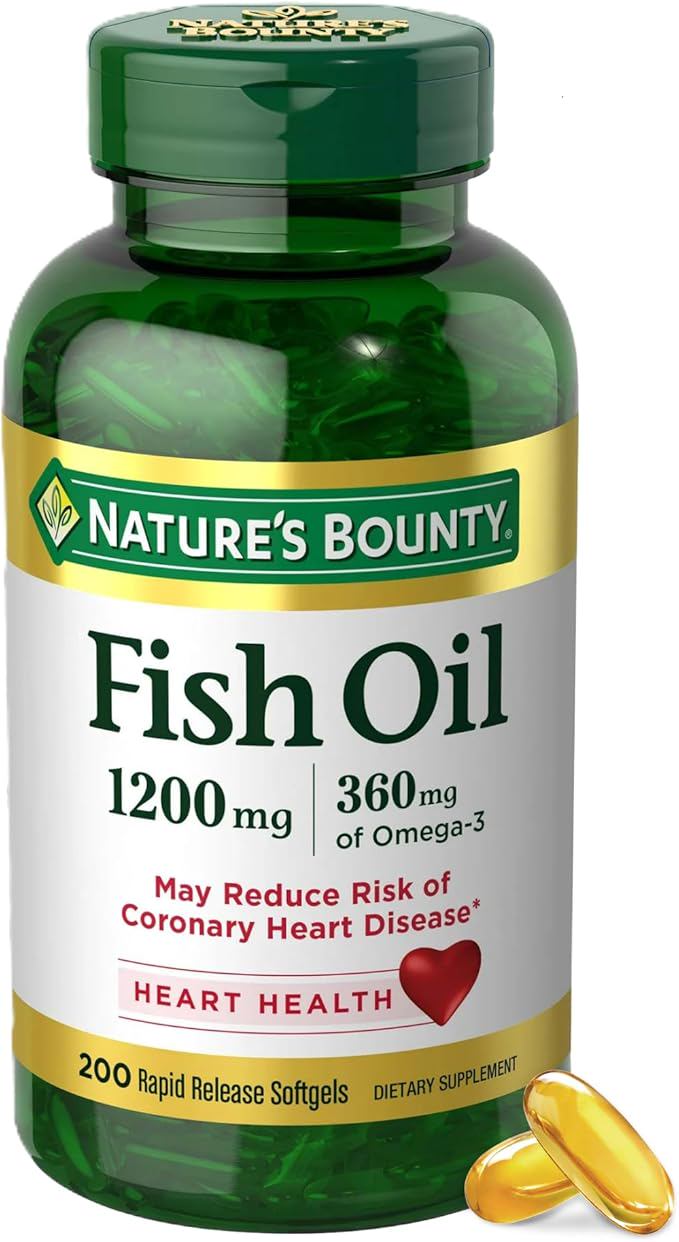
If your brain had a structural wish list, omega-3 fatty acids would be at the top. These are essential fats, meaning your body cannot produce them; they must come from your diet. The two most important for brain health are EPA (eicosapentaenoic acid) and DHA (docosahexaenoic acid).
Your brain cell membranes are largely made of fat. DHA, in particular, is a critical building block, ensuring these membranes remain fluid and flexible. This fluidity is vital for how brain cells communicate with each other. EPA, on the other hand, is renowned for its potent anti-inflammatory properties. Since inflammation can disrupt the delicate neurochemical balance involved in mood regulation, having adequate EPA helps create a more stable internal environment.
Research suggests that diets rich in these omega-3s are associated with lower levels of anxiety. They appear to support the function of neurotransmitters like serotonin and dopamine, which govern mood and emotional response.
Finding Omega-3s in Your Food
The best sources of EPA and DHA are cold-water fatty fish. Aiming to include these in your meals twice a week is a great goal.
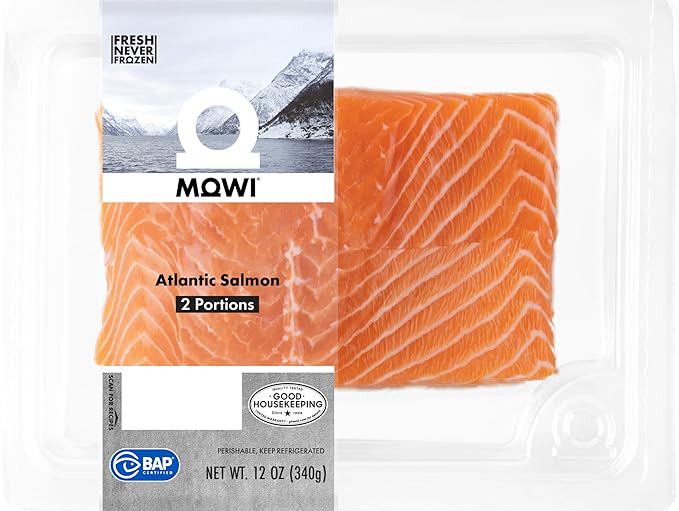
- Salmon (especially wild-caught)
- Sardines and anchovies (convenient and sustainable options)
- Mackerel
- Herring
For those who don’t eat fish, ALA (alpha-linolenic acid), a plant-based omega-3 found in flaxseeds, chia seeds, walnuts, and hemp seeds, is an option. However, the body must convert ALA into EPA and DHA, a process that is relatively inefficient. While these foods are incredibly healthy and support overall wellness, they are not a direct substitute for the EPA and DHA from marine sources.
Building a Holistic Anxiety-Supportive Plate
While green tea and omega-3s are stars, they perform best within a supportive cast. An overall dietary pattern that stabilizes blood sugar, supports gut health, and provides a broad spectrum of nutrients lays the groundwork for emotional resilience.
Pair your omega-3-rich fish with complex carbohydrates like sweet potatoes or quinoa, which help regulate serotonin production. Include a variety of colorful vegetables, which provide magnesium and B vitamins—nutrients that are co-factors in the body’s stress response system. Fermented foods like yogurt, kefir, or kimchi support a healthy gut microbiome, which is intimately connected to brain health via the gut-brain axis.
Consistency matters more than perfection. A generally balanced diet, enjoyed regularly, does more for your nervous system than occasional "perfect" meals.
It’s also wise to be mindful of potential dietary triggers. For some people, high caffeine intake, excessive sugar, or processed foods can exacerbate feelings of anxiety or create energy crashes that mimic anxiety symptoms. Notice how different foods make you feel, not just physically, but emotionally.
A Gentle, Informed Approach
Viewing food as a form of support for anxiety is about empowerment, not prescription. It’s a way of actively participating in your own well-being. Start small—perhaps by swapping one afternoon coffee for a cup of green tea, or by adding a serving of salmon to your weekly menu.
Remember, these dietary strategies are part of a holistic approach that may also include therapy, movement, social connection, and, when necessary, medication under the guidance of a healthcare provider. If your anxiety feels overwhelming or unmanageable, reaching out to a doctor, therapist, or registered dietitian is a crucial and courageous step. Nourishing yourself with intention is one compassionate act among many on the path to greater calm.