Living with Graves' disease means navigating a world where your own immune system has turned the body's metabolic accelerator into a constant companion. While medication and medical care form the cornerstone of treatment, what you eat can play a supportive, meaningful role in how you feel. The goal isn't a restrictive "disease diet," but a thoughtful, nutrient-dense approach that helps calm inflammation, supports your body's stressed systems, and provides the raw materials it desperately needs to cope.
Think of food as one piece of your management toolkit. The right choices won't replace your treatment plan, but they can help build a foundation of resilience, potentially easing some symptoms and improving your overall sense of well-being. It’s about nourishment, not deprivation.
How does diet affect Graves' disease?
Graves' disease is an autoimmune condition where antibodies mistakenly stimulate the thyroid gland to produce excess hormones, leading to hyperthyroidism. This metabolic overdrive can deplete nutrient stores, increase oxidative stress, and trigger widespread inflammation. A strategic diet focuses on countering these effects.
Certain nutrients are directly involved in thyroid hormone production and regulation, while others help modulate the immune system and protect cells from damage. By prioritizing foods rich in these specific compounds, you’re giving your body the resources to better handle the physiological storm. It’s a way of supporting your treatment from the inside out.
Key nutrients to focus on
Before we get to the plate, it helps to know what you’re looking for. These are the nutrients that often need special attention when managing Graves'.
Selenium is perhaps the most critical. The thyroid gland contains the highest concentration of selenium in the body. It’s essential for the enzymes that convert thyroid hormones into their active and inactive forms, helping to regulate the frenzy. Selenium also acts as a powerful antioxidant in the thyroid, protecting its delicate tissues from inflammation-driven damage.
Vitamin D plays a profound role in immune system regulation. Low levels are frequently linked with increased autoimmune activity. Ensuring adequate vitamin D may help modulate the immune response, potentially calming the autoimmune attack on the thyroid.
Antioxidants like vitamins C and E, and compounds like polyphenols, are your cellular defenders. Hyperthyroidism increases the production of free radicals, leading to oxidative stress that can damage tissues and worsen inflammation. Antioxidants neutralize these compounds, offering protective benefits.
Iron and Zinc are two minerals that can become depleted. Rapid metabolism may increase iron needs, and some Graves' symptoms can lead to deficiencies. Zinc is crucial for immune function and thyroid hormone production, and deficiencies can further disrupt an already unbalanced system.
Six nutrient-rich foods to include
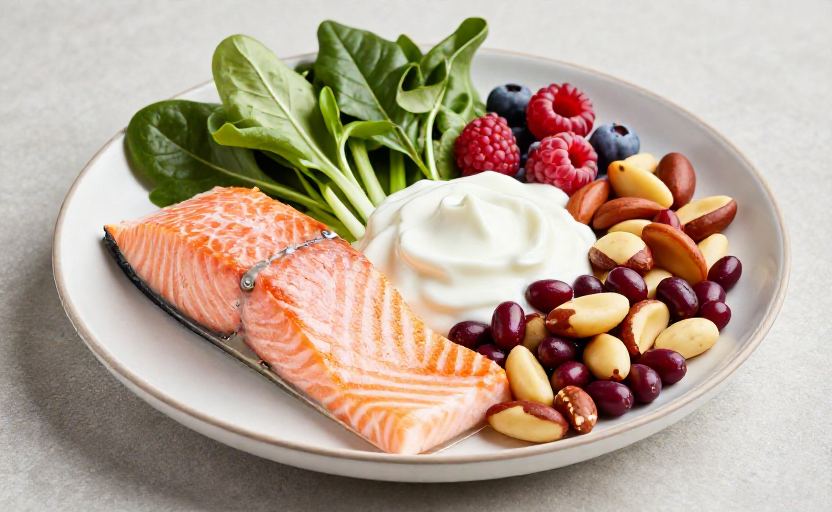
With those nutrients in mind, here are six foundational foods to weave into your weekly meals. Variety is key—rotating through these ensures a broad spectrum of support.
1. Brazil nuts (for selenium)
Just one or two Brazil nuts can provide your entire daily requirement of selenium. They’re the most concentrated food source available. Think of them as a targeted supplement from nature. Because it’s possible to get too much, moderation is essential. A simple routine: eat two nuts a day, a few times a week.
Keep a small container of Brazil nuts in your pantry. Adding two to your morning yogurt or having them as an afternoon snack is an easy, powerful habit.
2. Fatty fish like salmon and sardines
Fatty fish are a triple-threat. They provide anti-inflammatory omega-3 fatty acids, which may help quiet the inflammatory processes of autoimmune disease. They’re also one of the few natural food sources of vitamin D. Furthermore, they’re a great source of selenium and high-quality protein, which helps maintain muscle mass that can be affected by hyperthyroidism.
3. Leafy green vegetables (spinach, kale, Swiss chard)
Dark leafy greens are packed with magnesium, which supports hundreds of enzymatic reactions in the body, including those involved in energy production—something your overactive metabolism is working overtime on. They’re also rich in antioxidants like vitamin C and various phytonutrients that combat oxidative stress. The fiber they contain supports gut health, which is increasingly understood to be linked to immune function.
4. Berries (blueberries, strawberries, raspberries)
Berries are antioxidant powerhouses. Their vibrant colors come from anthocyanins and other polyphenols that have strong anti-inflammatory and cell-protective effects. They’re a sweet way to fight the oxidative stress associated with Graves' disease. Their relatively low glycemic index also helps provide steady energy without spiking blood sugar, which can be beneficial for managing energy swings.
5. Legumes (lentils, chickpeas, black beans)
Legumes are excellent sources of zinc and iron, two minerals of particular importance. They also provide steady, complex carbohydrates and fiber, promoting stable energy levels and supporting a healthy gut microbiome. For those who may be avoiding certain foods, legumes are a versatile, plant-based protein that can form the base of countless satisfying meals.
6. Plain yogurt or kefir
Focusing on gut health is a smart strategy for any autoimmune condition. Fermented foods like plain yogurt and kefir provide probiotics—beneficial bacteria that help maintain a healthy gut lining and balanced immune response. Opt for plain versions to avoid added sugars, and look for labels that mention "live and active cultures." They’re also a good source of protein and, if fortified, vitamin D.
Foods and substances to be mindful of
While adding beneficial foods is the priority, being aware of potential triggers or interferences is equally wise.
Excessive iodine: The thyroid uses iodine to make hormones. In Graves' disease, adding large amounts of iodine (found in iodized salt, seaweed, kelp supplements, and certain dyes) can potentially provide more fuel for hormone overproduction. It’s generally advised to avoid high-dose iodine supplements and to be moderate with concentrated sources like kelp.
Caffeine and stimulants: Since Graves' disease already mimics the effects of constant adrenaline (palpitations, anxiety, tremors, insomnia), adding caffeine can significantly worsen these symptoms. You may find you need to reduce or eliminate coffee, strong tea, and energy drinks.
Processed foods and added sugars: These can drive systemic inflammation and lead to energy crashes, which compound the fatigue and inflammation already present. A whole-foods approach is gentler on the body.
It’s important to discuss any major dietary changes with your healthcare team, especially regarding iodine, as individual needs can vary based on your treatment stage.
Building your plate for better management
You don’t need a complicated meal plan. A simple framework can guide you: aim to fill half your plate with non-starchy vegetables (like those leafy greens), a quarter with quality protein (like fatty fish or legumes), and a quarter with complex carbohydrates (like sweet potato or quinoa). Add a small serving of healthy fats (like avocado or olive oil) and a side of fermented food.
Staying well-hydrated with water is also crucial, as hyperthyroidism can increase fluid loss. Listen to your body. Some days you’ll have more appetite than others; some days you may need softer, easier-to-digest foods. That’s okay. This isn’t about perfection, but about consistent, gentle support.
Your relationship with food while managing a chronic condition should be one of kindness and empowerment. By choosing foods rich in selenium, vitamin D, antioxidants, and key minerals, you’re actively participating in your own care, building a foundation of nutrition that helps you face each day with greater strength and stability.