If you’re managing an overactive thyroid, or hyperthyroidism, you know the whirlwind of symptoms it can bring—racing heart, anxiety, unexplained weight loss, and a feeling of being constantly on edge. While medication and medical care are the cornerstone of treatment, what you eat can play a supportive role in managing how you feel. It’s not about a rigid, restrictive diet, but about making mindful choices that can help calm the storm.
This guide walks through the foods and substances that might interfere with your thyroid function or worsen symptoms, offering a clearer path to feeling more balanced. Think of it as a map, not a mandate, to discuss with your doctor or dietitian.
Why Diet Matters for Hyperthyroidism
An overactive thyroid produces too much of the hormones thyroxine (T4) and triiodothyronine (T3). These hormones regulate your metabolism, so an excess speeds everything up. The goal of dietary awareness isn’t to “cure” the condition—that requires medical intervention—but to avoid anything that might further stimulate thyroid activity or exacerbate symptoms like heart palpitations and anxiety. Some foods can also interfere with the absorption or effectiveness of common anti-thyroid medications.
The focus is on supportive eating: reducing potential triggers and ensuring your body gets the nutrients it needs to cope with a revved-up metabolism.
Foods and Substances to Be Mindful Of
Navigating nutrition with hyperthyroidism is less about a universal “bad” list and more about understanding how certain items affect your unique system. Here are the key categories to consider.
Excess Iodine: A Primary Concern
Iodine is the building block your thyroid uses to make its hormones. In hyperthyroidism, adding more fuel to that fire can be problematic. While you need iodine for basic health, excessive amounts can potentially worsen overactivity.
Common sources of concentrated iodine include:
- Iodized salt and sea salt: Used heavily in processed foods and at the table.
- Seaweed and kelp: Such as nori, kombu, wakame, and supplements derived from them.
- Some seafood: Especially cod, tuna, shrimp, and sushi made with seaweed.
- Dairy products: Iodine content can vary based on farming practices and sanitization.
- Certain food colorants: Like FD&C Red #3, which contains iodine.
The key is moderation, not total elimination. You don’t need to avoid seafood or dairy entirely, but being aware of very high-dose sources like kelp supplements is wise.
Stimulants That Amplify Symptoms
Since hyperthyroidism already mimics the effects of a constant adrenaline rush, adding external stimulants can make you feel worse. Caffeine is the most common culprit, found in coffee, many teas, energy drinks, soda, and dark chocolate. It can intensify feelings of anxiety, nervousness, heart palpitations, and insomnia. You might experiment with reducing or timing your intake—perhaps switching to a single morning cup or opting for decaffeinated versions later in the day.
Potential Goitrogens in Raw Form
“Goitrogens” are substances that can interfere with thyroid hormone production. For people with an underactive thyroid, this is a bigger concern. For hyperthyroidism, the effect is mild and mostly relevant when these foods are consumed in very large, raw quantities. Cooking significantly reduces goitrogenic activity. Foods in this category include cruciferous vegetables like broccoli, cauliflower, kale, Brussels sprouts, and cabbage, as well as soy products. There’s no need to banish these nutritious foods from your plate. Simply enjoy them cooked rather than in massive daily raw salads or juices.
Alcohol and Refined Sugars
These don’t directly affect thyroid hormone levels, but they can undermine your overall sense of well-being. Alcohol can disrupt sleep and may interact with medications. Refined sugars, found in sweets, pastries, and sugary drinks, can cause energy spikes and crashes, which may feel more pronounced when your metabolism is already in overdrive. Focusing on whole-food sources of carbohydrates, like fruits and whole grains, provides more stable energy.
What to Focus On Instead
Shifting attention to what you can add to your diet is often more empowering than focusing solely on restrictions. A hyperthyroid state can increase nutrient needs and bone loss risk, so prioritizing certain foods is beneficial.
- Calcium and Vitamin D: Crucial for bone health. Think leafy greens (cooked), fortified plant milks, almonds, and canned sardines with bones. Safe sun exposure and vitamin D-rich foods like eggs and mushrooms also help.
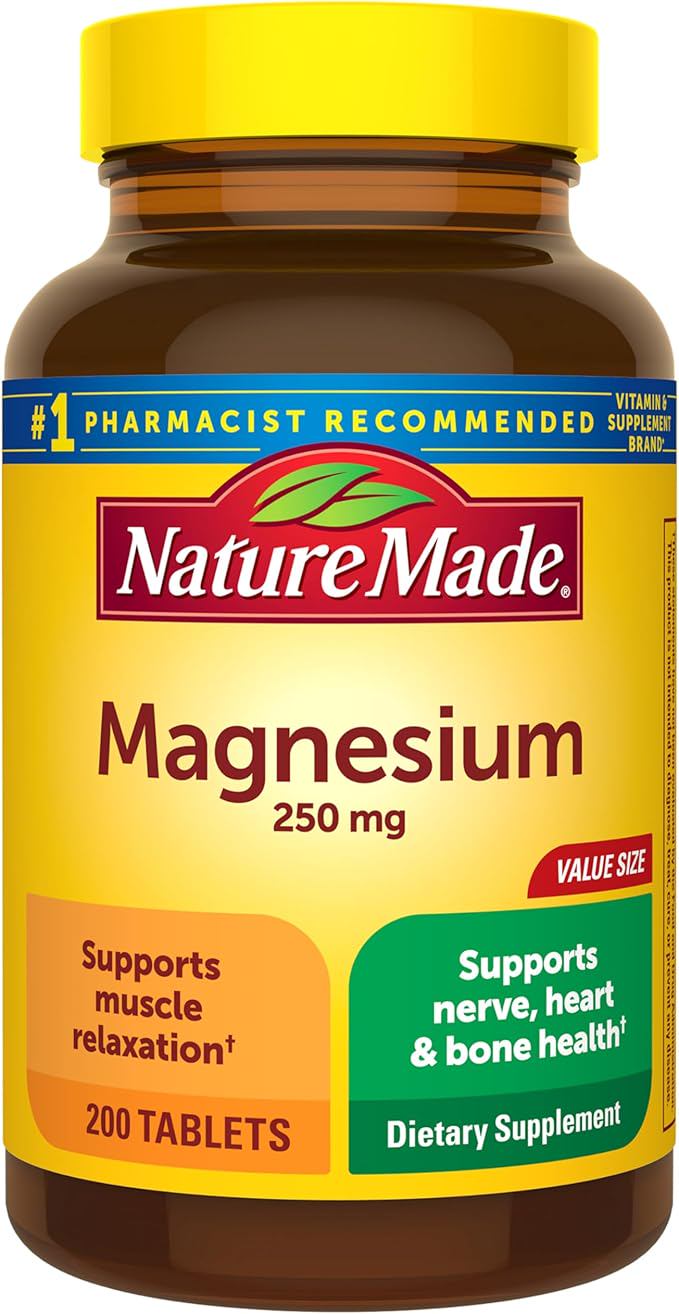
- Magnesium: This mineral can support muscle and nerve function, potentially helping with restlessness. Sources include spinach, pumpkin seeds, black beans, and avocados.
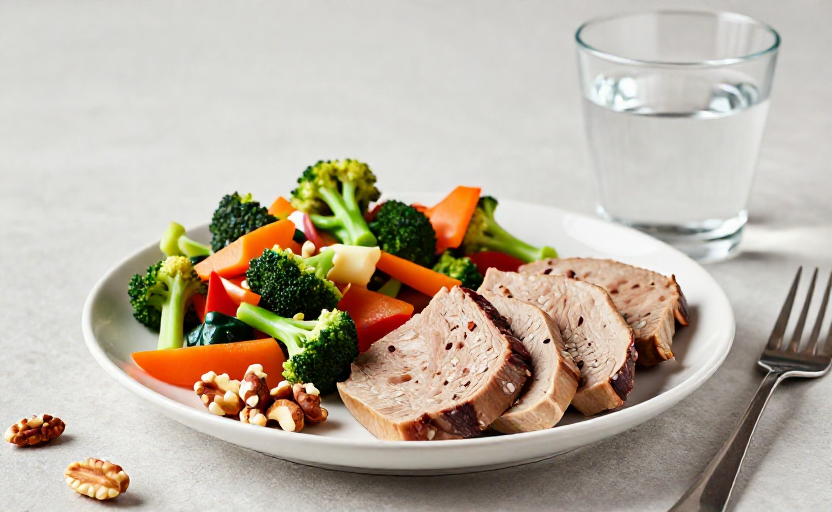
- Lean Proteins and Healthy Fats: To help maintain muscle mass and support energy levels. Incorporate fish, poultry, lentils, nuts, seeds, and olive oil.
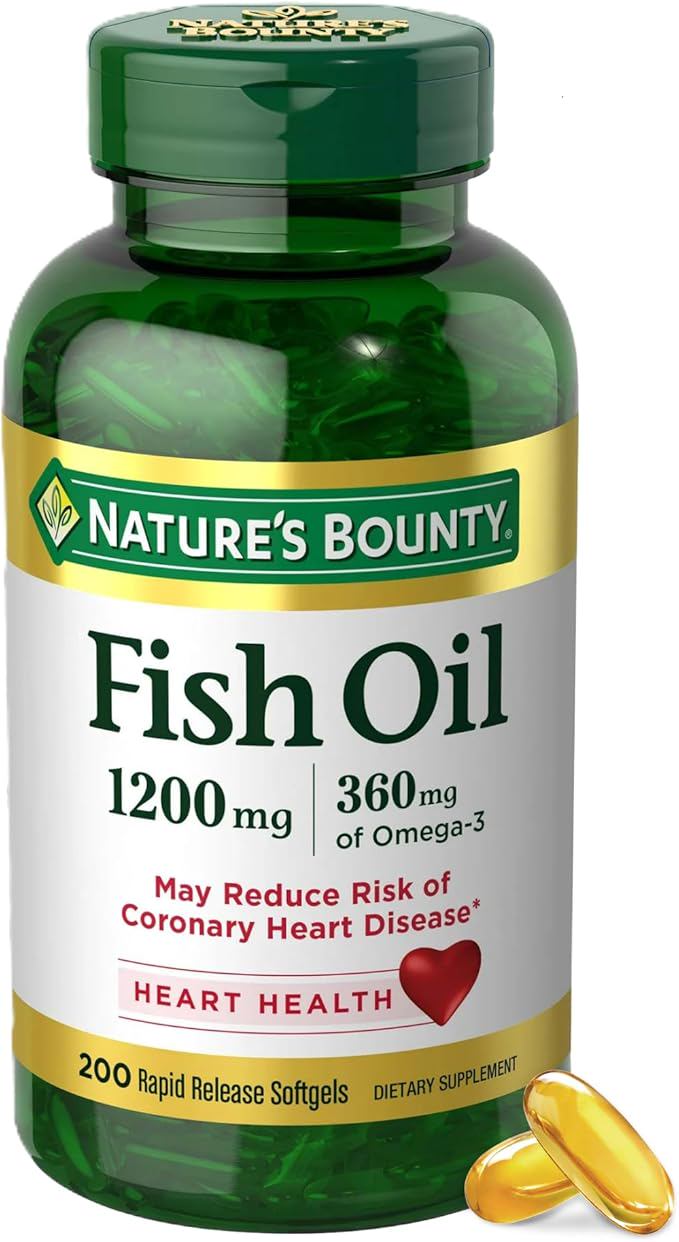
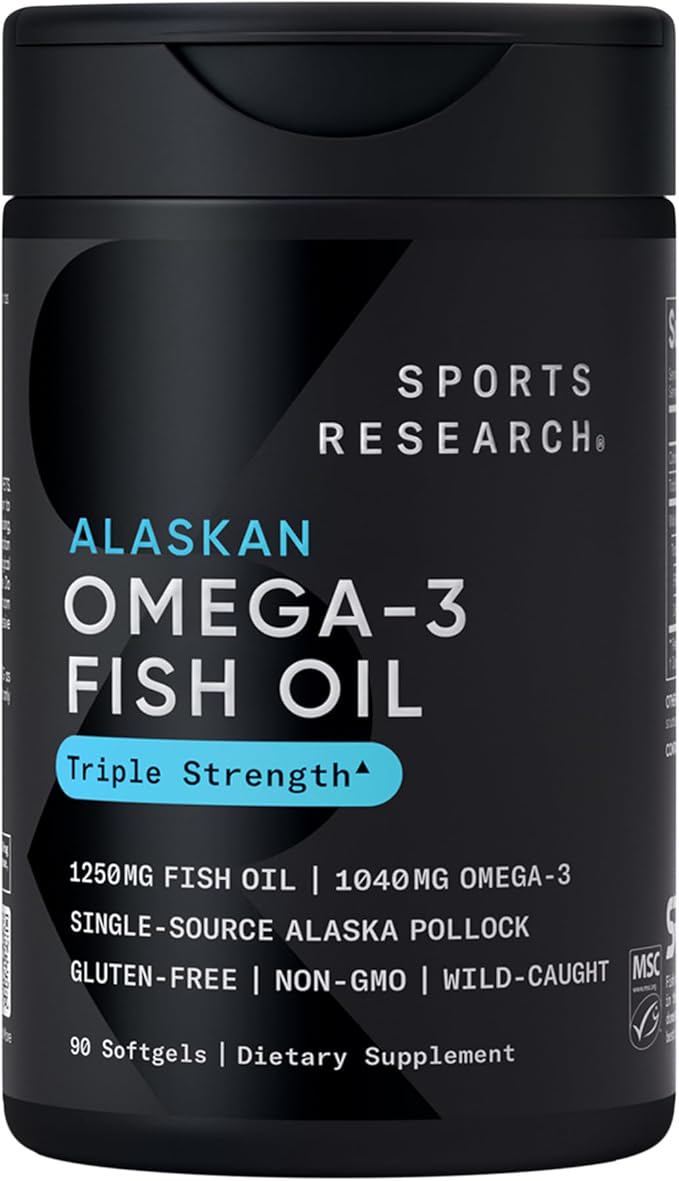
- Anti-inflammatory foods: A diet rich in colorful fruits, vegetables, and omega-3s (from fish like salmon or flaxseeds) may help moderate overall inflammation.
Staying well-hydrated with water is also essential, as a faster metabolism can lead to increased fluid loss.
Putting It All Together
Creating a supportive eating pattern doesn’t require perfection. Start by observing. Keep a simple log of what you eat and how you feel afterward—not just physically, but in terms of energy and mood. You might notice that a second cup of coffee in the afternoon makes your heart race, or that a meal heavy in processed foods leaves you drained.
Discuss your observations with your healthcare team. A registered dietitian can help you create a balanced, nutrient-dense plan that avoids your personal triggers while ensuring you get everything you need. Remember, dietary changes are one part of a comprehensive treatment plan that includes regular monitoring, medication as prescribed, and stress management. Be patient with yourself; small, consistent adjustments often yield the most sustainable and comfortable results.