
If your hair tends to stay wet for hours after a shower and products seem to sit on top of your strands rather than sinking in, you likely have low-porosity hair. This hair type has a tightly bound cuticle layer that resists moisture absorption, which can leave it feeling dry, brittle, or easily weighed down by heavy creams and butters.
The good news: you don’t need to abandon hydration altogether. By swapping a few key products and techniques, you can deliver lightweight moisture that low-porosity hair can actually use — without the greasy buildup.
Why low-porosity hair rejects heavy moisture
Low-porosity cuticles lie flat and overlap tightly. While this protects the hair from damage, it also makes it difficult for water and oils to penetrate. Many traditional moisturizers — rich butters, heavy oils, and thick creams — simply sit on the surface, attracting dust and causing buildup. Over time, this leads to a dull, sticky feeling rather than true hydration.
The solution isn't to moisturize less; it's to moisturize smarter. Choose lightweight humectants and techniques that help open the cuticle just enough to let moisture in.
Key ingredient swaps for lightweight hydration
Swap heavy oils for penetrating or sealing oils
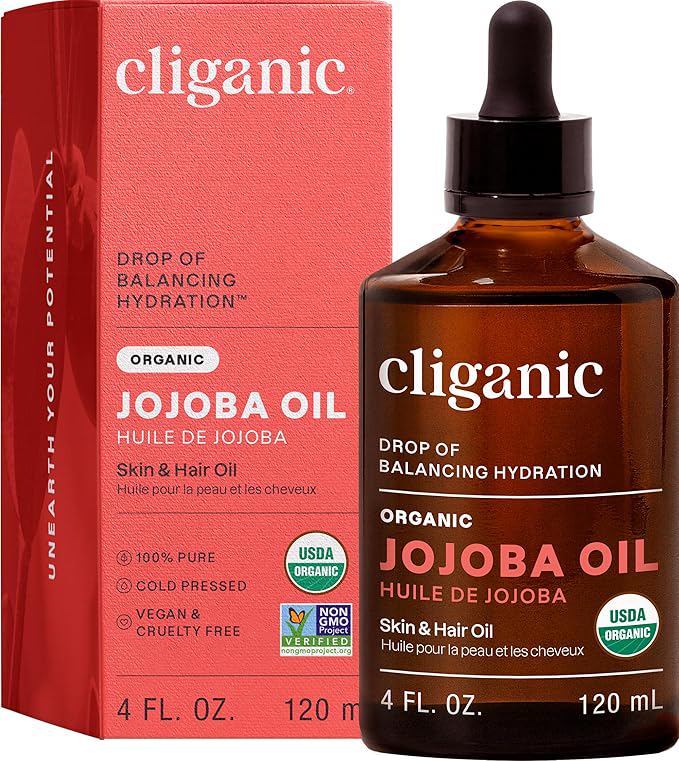
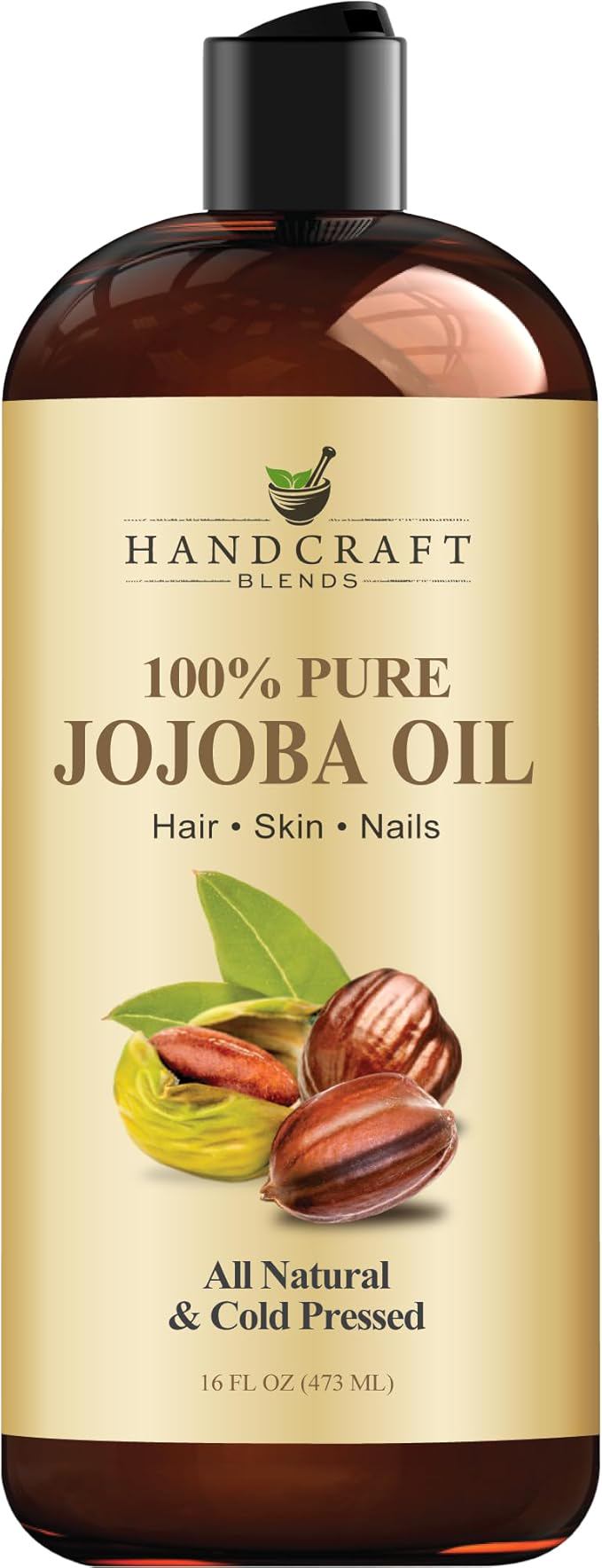
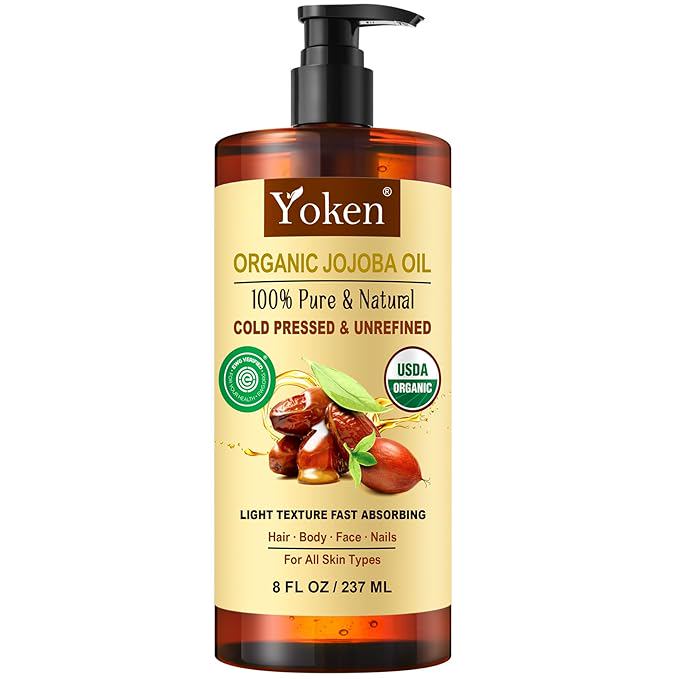
Thick oils like coconut oil, olive oil, and castor oil can coat low-porosity hair without actually sinking into the strand. Instead, turn to lighter oils such as grapeseed oil, jojoba oil, or argan oil. These have smaller molecular structures that more easily pass through tight cuticles. They provide slip and shine without the weight.
Replace thick butters with water-based leave-ins
Shea butter and cocoa butter are popular for many hair types, but for low-porosity strands, they often cause buildup. A better choice: a water-based leave-in conditioner that lists water or aloe vera juice as the first ingredient. These formulas deliver moisture without coating the hair in heavy waxes.
Switch to protein-free conditioners
Low-porosity hair is typically protein-sensitive. Too much protein (common in strengthening masks) can make strands feel stiff and dry. Choose conditioners and deep treatments labeled “protein-free” or “moisture-focused.” Look for ingredients like glycerin, honey, and panthenol — these attract water and help it stay in the hair.
Technique swaps that make a difference
Use heat to open the cuticle
A simple but effective swap: apply a warm towel, shower cap, or hooded dryer after applying your deep conditioner. The gentle heat lifts the cuticle just enough for moisture to penetrate. Even 10 to 15 minutes of warmth can improve absorption dramatically.
Rinse with cool water right after conditioning
After your warm treatment, a quick cool rinse helps the cuticle lie flat again, locking in moisture and reducing frizz. This step also prevents the sticky residue that sometimes comes from leaving conditioner on low-porosity hair.
Layer products from thinnest to thickest
If you do use a cream or oil, apply it last, and use a very small amount. The order matters: start with a watery leave-in, then a lightweight oil, then (if needed) a tiny dab of cream. This prevents the heavier product from blocking everything else.
Simple DIY rinse for low-porosity hair
For a quick moisture boost without heavy ingredients, try a green tea rinse. Green tea contains antioxidants and has a slightly acidic pH that helps smooth the cuticle without stripping natural oils.
Let two green tea bags steep in a cup of hot water until cool. After shampooing, pour the tea over your hair and massage it into your scalp. Leave it on for three to five minutes, then rinse with cool water. Follow with a lightweight conditioner if needed. Many people find this rinse reduces scaliness and adds softness without buildup.
What to avoid in your routine
- Heavy wax and butter blends — These sit on the surface and attract environmental debris, leading to a greasy feel.
- Long ingredient lists with multiple oils — Simpler formulas often work better for low-porosity hair because they’re less likely to cause buildup.
- Frequent protein treatments — Unless your hair is chemically damaged, limit protein masks to once a month at most. Overdoing protein can make low-porosity hair brittle.
- Shampoos with heavy sulfates — While sulfates remove buildup, they can also strip the natural sebum that low-porosity hair needs. Choose a gentle sulfate-free shampoo and clarify only once every few weeks.
One caveat: Everyone’s hair is different. What works wonders for one person may not work for another. Pay attention to how your hair feels after each product or technique swap, and adjust accordingly.
Consistency matters more than any single product
Low-porosity hair often needs a steady rhythm of hydration — not a heavy soak. Frequent, lightweight moisture applications (even every day or every other day) can be more effective than a single weekly deep conditioning session. A simple spritz of water mixed with aloe vera juice, sealed with a few drops of grapeseed oil, can maintain softness without weight.
By making a few thoughtful swaps in both ingredients and techniques, you can give low-porosity hair the moisture it needs without the sticky buildup. The goal isn’t to fight your hair’s natural structure — it’s to work with it.