
That familiar feeling as you settle under the covers—a racing mind, a tightness in your chest, a replay of the day's worries or tomorrow's to-dos. Pre-sleep anxiety is more than just an annoyance; it's a thief of rest, pulling you away from the deep, restorative sleep your body and mind need. The good news is that quieting this nighttime unrest is possible. By understanding the connection between anxiety and sleep and adopting a few intentional, expert-backed strategies, you can create a pathway to a calmer, more peaceful night.
Anxiety at bedtime isn't a personal failing; it's a physiological and psychological response. When your body's stress response is activated, it releases cortisol and adrenaline, hormones designed for alertness and action—the exact opposite of what's needed for sleep. The goal, then, is to gently signal to your nervous system that it's safe to stand down. The following approaches are designed to do just that, helping you transition from a state of 'fight-or-flight' to 'rest-and-digest.'
Establish a Wind-Down Ritual
Your brain thrives on predictability. A consistent, calming routine in the hour before bed acts as a powerful cue, telling your body that sleep is approaching. This isn't about a rigid checklist, but about creating a buffer zone between the demands of the day and the quiet of the night.
Start by dimming the lights in your home, mimicking the natural sunset. Engage in quiet, screen-free activities: perhaps reading a physical book (not a thriller!), listening to soothing music or a calming podcast, or practicing gentle stretching. The key is consistency. Performing these same calming actions nightly trains your brain to associate them with sleepiness.
Think of your wind-down ritual as a non-negotiable appointment with relaxation. It's the bridge you build each night to cross from wakefulness into rest.
Master Your Environment for Sleep
Your bedroom should be a sanctuary for sleep, not an extension of your workspace or entertainment center. Optimizing your environment removes external triggers that can fuel anxiety.
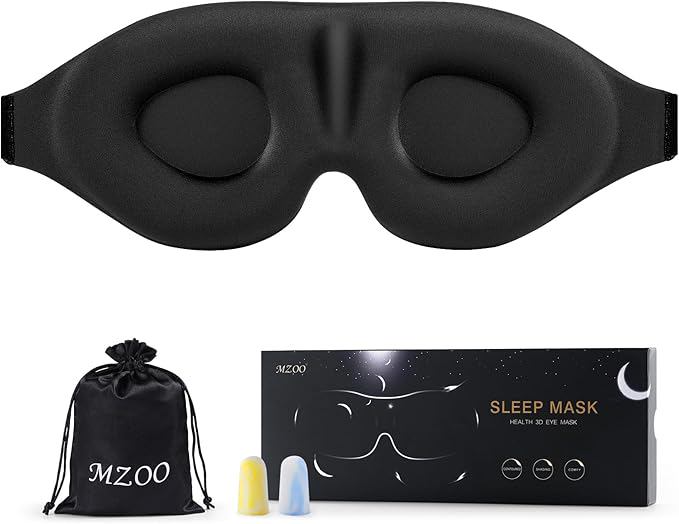
- Cool, Dark, and Quiet: Aim for a slightly cool room temperature (around 65°F or 18°C is often ideal). Use blackout curtains or a sleep mask to block light, and consider a white noise machine or earplugs to dampen disruptive sounds.
- The Great Screen Ban: The blue light emitted by phones, tablets, and laptops suppresses melatonin, the hormone that regulates sleep. More insidiously, scrolling through work emails or social media can introduce stressful thoughts directly into your pre-sleep mind. Make it a rule: screens off at least 60 minutes before bed.
- Declutter Your Space: A cluttered room can contribute to a cluttered mind. Taking a few minutes to tidy your sleep space can create a visual sense of order and calm.
Quiet the Mental Chatter
When anxious thoughts spiral, trying to simply "stop thinking" is rarely effective. Instead, use techniques that acknowledge the thoughts while gently redirecting your focus.
The "Worry Journal" Technique
Keep a notebook by your bed. If worries are swirling, take five minutes to write them all down. The act of transferring thoughts from your mind to paper can provide a sense of release. You can literally close the book on them for the night, trusting you can address the list in the morning.
Mindful Breathing and Body Scans
Anxiety often lives in a future that hasn't happened yet. Mindfulness practices bring your attention back to the present moment—specifically, to the safety and stillness of your body in bed.
Try the 4-7-8 breathing technique: inhale quietly through your nose for a count of 4, hold your breath for a count of 7, and exhale completely through your mouth for a count of 8. Repeat this cycle three or four times. Alternatively, perform a body scan: starting at your toes, slowly bring your awareness to each part of your body, consciously relaxing any tension you find.
Reconsider Daytime Habits
What you do during the day sets the stage for your night. Certain habits can prime your nervous system for anxiety, while others build resilience.
- Manage Caffeine and Alcohol: Caffeine can linger in your system for hours, potentially increasing jitteriness and heart rate at bedtime. Aim to cut off caffeine by mid-afternoon. While alcohol might make you feel drowsy initially, it disrupts sleep architecture later in the night, often leading to wakefulness and increased anxiety.
- Move Your Body (Earlier in the Day): Regular physical activity is a potent anxiety reducer and sleep promoter. However, vigorous exercise too close to bedtime can be stimulating for some. Try to finish intense workouts at least a few hours before bed.
- Get Daylight Exposure: Natural light exposure, especially in the morning, helps regulate your circadian rhythm, strengthening the signal that daytime is for alertness and nighttime is for sleep.
Remember, progress with pre-sleep anxiety is often gradual, not instantaneous. Be patient and compassionate with yourself as you experiment with these strategies. The goal isn't perfection, but creating a series of gentle, consistent practices that tell your nervous system, night after night, that it's finally safe to rest.