
Deciding to start a family is a significant moment, and if you’ve been using hormonal birth control, it’s natural to wonder about the timeline. You might be asking, “How long will it take for my body to be ready?” The answer, reassuringly, is often: not as long as you might think. While your unique biology plays the starring role, understanding the process can help you approach this transition with clarity and calm.
Hormonal contraceptives—like the pill, patch, ring, shot, or hormonal IUD—work by temporarily overriding your body’s natural menstrual cycle. They prevent ovulation, thicken cervical mucus, or thin the uterine lining. When you stop, your body simply needs time to resume its innate rhythm. There’s no evidence that using these methods causes long-term damage to fertility; they pause the cycle, not erase it.
What to Expect When You Stop
The return of your natural cycle, often called a “withdrawal bleed,” can happen within a few days of stopping combination pills, the patch, or the ring. For progestin-only methods, the timeline can vary more. The key milestone to watch for is the return of ovulation, which is when you can conceive. For many, this happens within one to three months.
Your fertility returns as soon as you stop most forms of hormonal birth control. The delay is in your cycle regulating, not in your body being “unfertile.”
Some women may experience a temporary phase where cycles are irregular, lighter, or heavier as the body’s hormone production kicks back in. This is typically normal and part of the adjustment. If you were having irregular periods before starting birth control, you may return to that pattern.
Factors That Influence Your Timeline
While averages are helpful, your journey is personal. A few elements can influence how quickly your cycle regulates:
- Your Age: Fertility naturally begins a gradual decline in the late 20s and early 30s. A 25-year-old may resume ovulating more predictably than someone older, but age is just one factor among many.
- Your Pre-Existing Cycle: If you had very regular periods before birth control, you’re likely to return to that pattern faster.
- The Type of Birth Control: The contraceptive shot (Depo-Provera) is a notable exception. It can suppress ovulation for much longer, sometimes up to 10 months or more after the last injection. For other methods, differences are less dramatic.
- Overall Health: Factors like stress, significant weight changes, thyroid issues, or conditions like PCOS can all impact cycle regularity, with or without birth control history.
How to Support Your Body’s Transition
You can’t rush biology, but you can create a supportive environment for it. Think of this as a time to nourish your foundational health.
Nutrition matters. Focus on a balanced diet rich in whole foods. Key nutrients for reproductive health include folate (found in leafy greens, lentils, and avocados), iron (in spinach, beans, and lean red meat), and omega-3 fatty acids (in walnuts, flaxseeds, and fatty fish like salmon). Staying well-hydrated is always a simple, powerful practice.
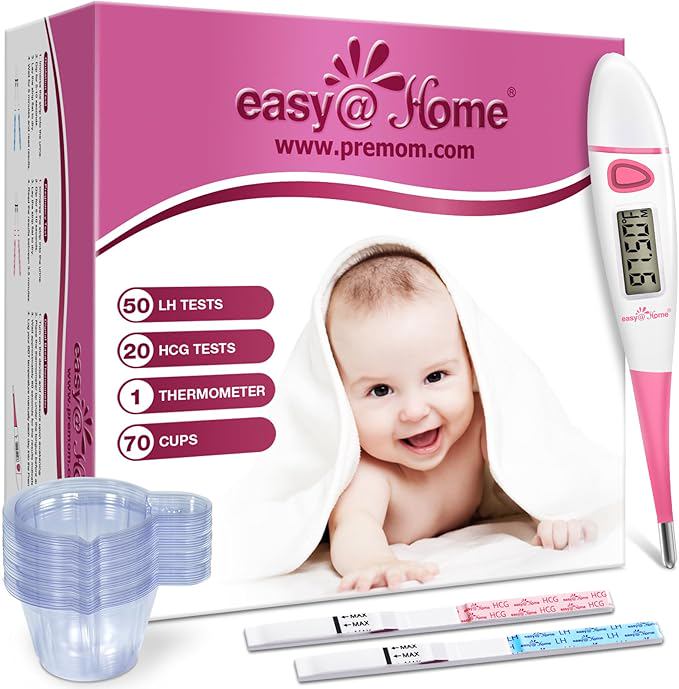
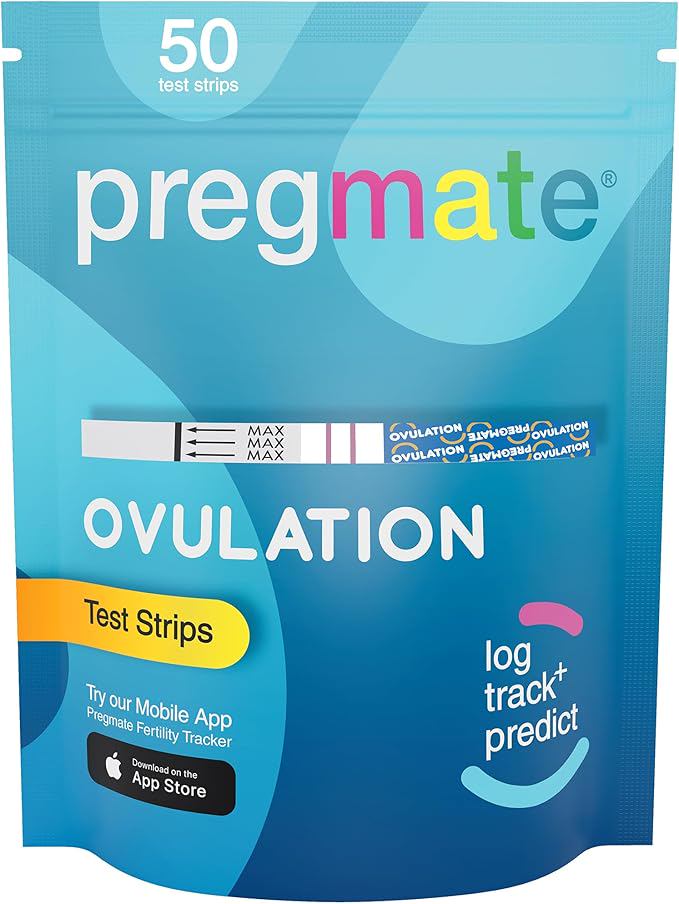
Track your cycle. Once you stop contraception, start paying attention to your body’s signals. You can use a simple calendar, an app, or track physical signs like basal body temperature and cervical mucus. This isn’t just for timing conception; it’s valuable data that shows your body is waking up its natural functions. Seeing that first post-pill ovulation confirmed can be very encouraging.
Manage stress mindfully. The desire to conceive can itself be a source of pressure. Gentle movement like walking, yoga, or stretching can help regulate stress hormones. Prioritizing sleep and engaging in activities that bring you calm are not luxuries; they’re integral to hormonal balance.
When to Connect with a Healthcare Provider
Most couples conceive within a year of trying. It’s generally suggested to reach out for a preconception checkup when you start planning, which is a perfect time to discuss your birth control transition. Seek guidance sooner if:
- Your periods haven’t returned within three months of stopping the pill, patch, or ring.
- You had irregular periods before birth control and want insight into your cycle.
- You’re over 35 and have been trying for six months without success.
- You have known conditions like PCOS, endometriosis, or thyroid disorders.
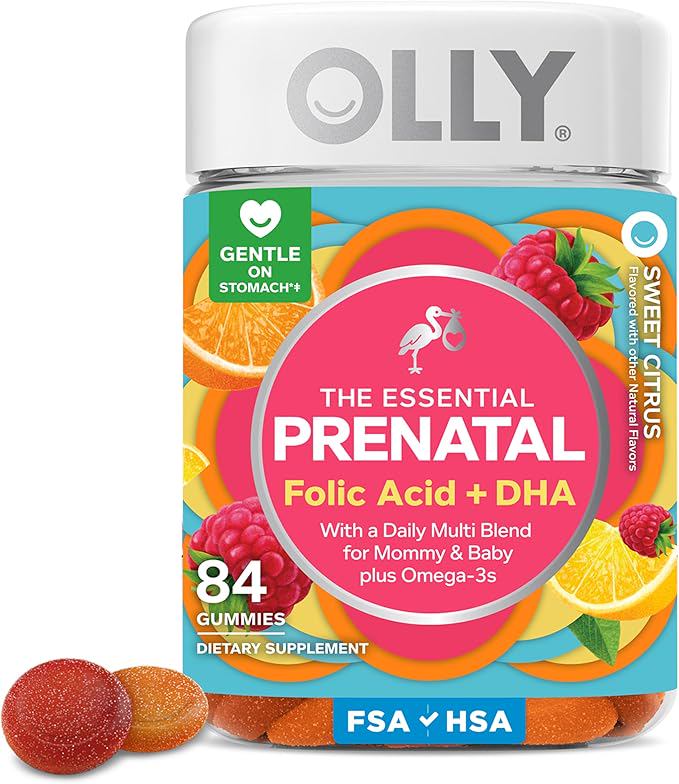
A provider can offer personalized advice, run baseline tests if needed, and recommend a prenatal vitamin with folic acid, which is crucial for early fetal development.
Setting Realistic Expectations
The narrative that you’ll get pregnant immediately after stopping birth control isn’t universal. For some, it happens in the first cycle; for others, it takes several months. This range is normal. The temporary pause from hormonal contraception is just one small part of your reproductive story.
Approach this chapter with patience and self-kindness. Your body is capable and resilient, transitioning from one state to another with remarkable intelligence. By understanding the process and supporting your overall well-being, you’re laying the best possible foundation for the journey ahead.