
Deciding to stop hormonal birth control is a significant step. Whether you’re planning for pregnancy, seeking a different form of contraception, or simply wanting to understand your body’s natural rhythm, the transition period that follows can feel like uncharted territory. Your body has been operating with external hormonal signals, and it needs time and support to find its own balance again. This process, often called a "post-birth control transition," is unique for everyone, but there are gentle, evidence-informed ways to nurture your system during this shift.
It’s common to wonder what’s normal. Some people resume regular cycles almost immediately, while others experience a temporary phase of irregular periods, changes in skin or mood, or a delay in the return of ovulation. This isn’t a sign that something is wrong—it’s your endocrine system recalibrating. By focusing on foundational wellness pillars, you can create an environment that supports this natural recalibration process.
What to Expect When You Stop
The first thing to know is that there’s no universal timeline. The pill, the patch, the ring, and hormonal IUDs all work differently, and so does your body’s response to stopping them. For combined hormonal methods (like most pills), your body may begin its own ovarian function within days or weeks. For progestin-only methods, the return can be similarly swift. However, it can sometimes take several months for a regular, ovulatory cycle to re-establish itself.
During this window, you might notice:
- Cycle Irregularity: Your first few periods may be longer, shorter, heavier, lighter, or more spaced out than you’re used to.
- Changes in Symptoms: You may experience premenstrual symptoms you didn’t have on birth control, or old ones may return. This can include shifts in mood, skin breakouts, or breast tenderness.
- The Return of Ovulation Signs: As your cycle regulates, you might start to notice physical signs of ovulation again, such as changes in cervical mucus or a slight shift in basal body temperature.
Think of this time not as a problem to be solved, but as a listening period. Your body is communicating its natural state.
Foundational Strategies for Support
You can’t rush biology, but you can provide the essential building blocks your body needs to rebuild its hormonal communication pathways. These strategies aren’t quick fixes; they’re sustainable habits that support overall endocrine health.
Nourish Your Nutrient Reserves
Hormonal birth control can affect the metabolism and levels of certain key nutrients. Replenishing these isn't about megadosing, but about consistent, food-first intake.
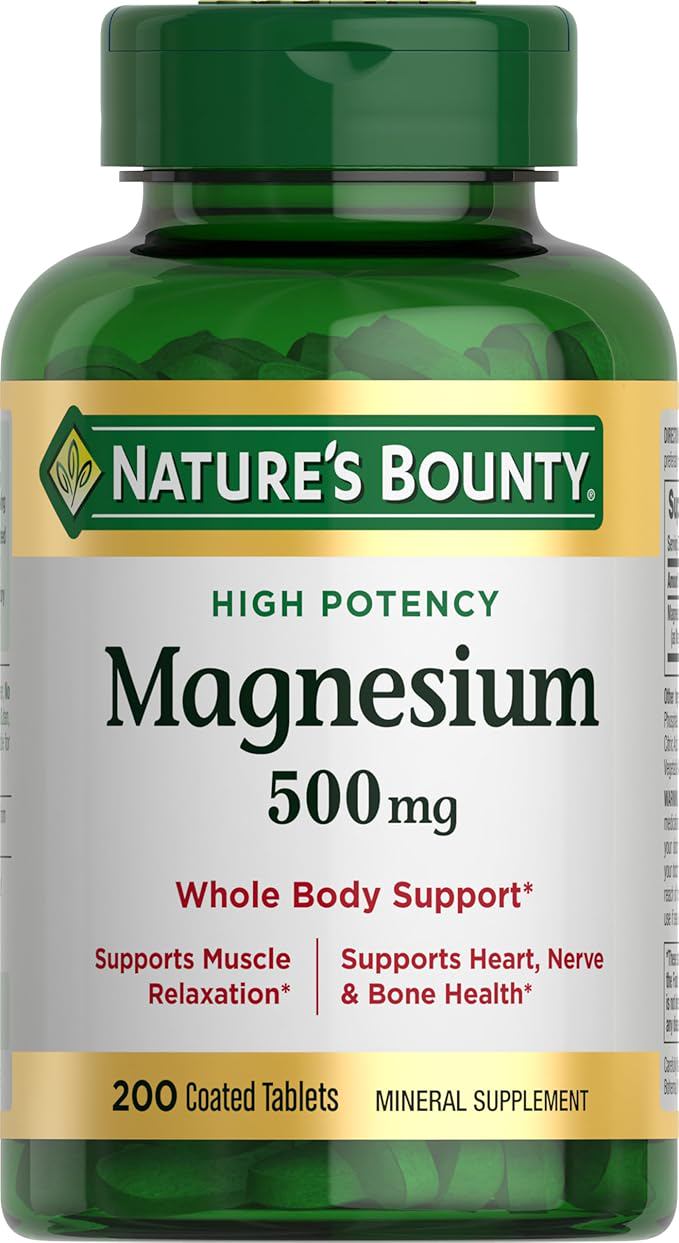
B Vitamins, particularly B6, B9 (folate), and B12, are crucial for hormone metabolism and energy. Find them in leafy greens, legumes, eggs, and avocados. Zinc is a key player in ovulation and immune function, abundant in pumpkin seeds, lentils, and shellfish. Magnesium, the relaxation mineral, helps with sleep and muscle cramps, and is present in almonds, spinach, and black beans.
Some research suggests birth control may lower levels of antioxidants like Coenzyme Q10 and Selenium. Focusing on a colorful array of fruits and vegetables ensures a broad spectrum of these protective compounds.
Support Your Gut Health
The gut-liver axis is central to hormone balance. Your liver processes used hormones for elimination, and a healthy gut ensures they are properly excreted. Birth control can sometimes influence gut bacteria composition.
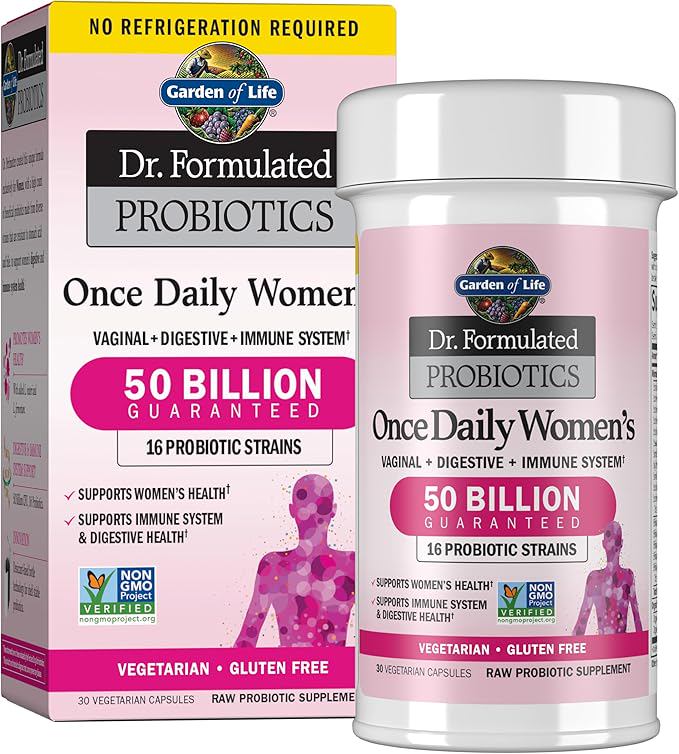
Incorporate fermented foods like yogurt, kefir, sauerkraut, or kimchi for natural probiotics. Feed those good bacteria with prebiotic fibers from foods like garlic, onions, asparagus, and oats. Staying well-hydrated is also a simple yet powerful way to support both digestion and overall cellular function.
Manage Stress Mindfully
Stress activates the hypothalamic-pituitary-adrenal (HPA) axis, which is intricately linked to the axis that governs your reproductive hormones (the HPO axis). High, chronic stress can signal to your body that now is not an optimal time for reproduction, potentially delaying cycle return.
This isn’t about eliminating stress, but building resilience. Consistent practices are more impactful than occasional efforts. This could be ten minutes of daily meditation, gentle yoga, regular walks in nature, or dedicating time for a hobby that absorbs your focus. Prioritizing sleep is perhaps the most potent stress-management tool of all, as it’s when crucial hormonal repair and regulation occur.
Listening to Your Body’s Signals
As you step away from the artificial cycle of birth control, you have an opportunity to reconnect with your body’s innate wisdom. Tracking your cycle isn’t just for avoiding or achieving pregnancy; it’s a window into your overall health.
Simple tracking can involve noting the first day of your period, observing changes in cervical mucus, or logging energy levels and mood. Apps or a plain journal can help. Over a few months, patterns may emerge that tell you more about your follicular and luteal phases than you ever knew before. This data is also invaluable to share with your healthcare provider if you have concerns.
When to Connect with a Healthcare Provider
While patience is key, certain signs warrant a professional conversation. Consider reaching out if:
- Your period hasn’t returned within three to six months of stopping birth control (this timeline can vary, but it’s a good check-in point).
- You experience very heavy bleeding that soaks through a pad or tampon in an hour for several hours.
- You have severe pain that disrupts your daily life.
- You’ve been trying to conceive for over a year (or six months if you’re over 35) without success after stopping contraception.
A provider can help rule out other underlying conditions, such as PCOS or thyroid disorders, that may have been masked by birth control and are now influencing your cycle. They are your partner in this transition.
Moving on from hormonal birth control is a journey back to your baseline. By focusing on nutrient-rich food, gut health, stress management, and patient observation, you provide compassionate support for your body’s remarkable ability to find its own rhythm once again.