You’ve likely heard the advice to cut back on salt. It’s a common health recommendation, but it can feel daunting. After all, salt is more than just the shaker on your table; it’s woven into the fabric of our food supply, often in places we wouldn’t expect. The goal isn’t about eliminating flavor or embarking on a joyless culinary journey. It’s about making mindful, sustainable shifts that support your heart and overall well-being, one meal at a time.
Reducing sodium is a powerful step for cardiovascular health, helping to manage blood pressure and ease the workload on your heart. The good news is that with a few expert-backed strategies, you can significantly lower your intake without sacrificing satisfaction. It starts with awareness and builds with simple, practical changes in how you shop, cook, and season your food.
Why is hidden sodium the real challenge?
For most people, the salt shaker contributes only a small fraction of daily sodium intake. The vast majority—often over 70%—comes from packaged, processed, and restaurant foods. This “hidden” sodium is the primary target for meaningful reduction. It’s in bread, canned soups, sauces, deli meats, and even sweet items like cereals and pastries. Manufacturers use it for preservation, texture, and to enhance flavor, which means we consume it passively.
The first rule of sodium reduction is to become a label reader. The numbers can be surprising.
How to navigate the grocery store wisely
Your strategy begins in the aisles. Start by focusing the majority of your cart on the store’s perimeter: fresh fruits, vegetables, lean meats, and fish. These whole foods are naturally low in sodium. When you do venture into the center aisles for pantry staples, your most important tool is the Nutrition Facts label.
Look at the % Daily Value for sodium. A quick guide:
- 5% DV or less is considered low in sodium per serving.
- 20% DV or more is considered high in sodium per serving.
Aim to choose products with the lower number. Also, pay close attention to serving size. A canned soup might list a serving as one cup, but if you typically eat the whole can (two cups), you’re getting double the sodium listed.
Key phrases on packaging
Marketing terms can be misleading. Here’s what they actually mean, as defined by the FDA:
- “Sodium-Free” or “Salt-Free”: Less than 5 mg per serving.
- “Very Low Sodium”: 35 mg or less per serving.
- “Low Sodium”: 140 mg or less per serving.
- “Reduced Sodium” or “Less Sodium”: At least 25% less sodium than the regular product. This doesn’t necessarily mean it’s low in sodium.
- “Light in Sodium”: 50% less sodium than the regular product.
- “No Salt Added” or “Unsalted”: No salt is added during processing, but the food may still contain natural sodium.
Revitalizing your home cooking
Cooking at home is your single greatest point of control. You decide what goes in the pot. Begin by reducing the amount of salt called for in recipes by one-third or one-half. You often won’t notice the difference, especially if you boost flavor in other ways.
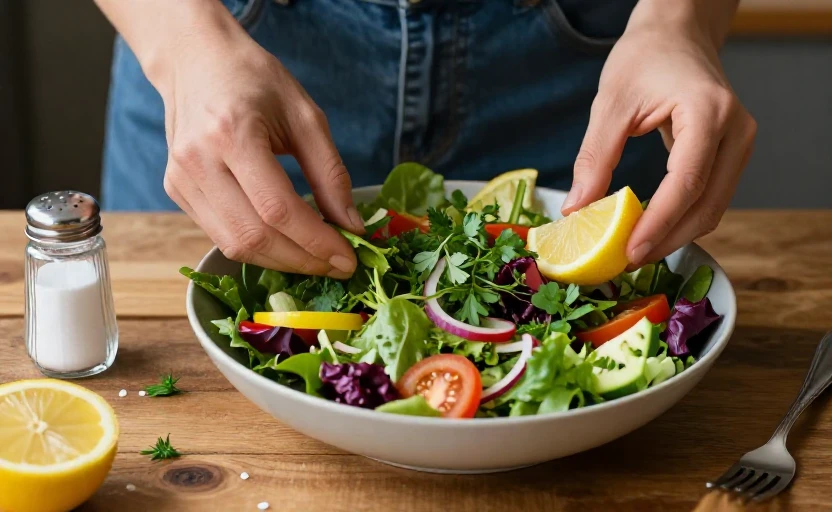
The real magic happens when you explore other flavor enhancers. Acid, herbs, spices, and aromatics can create depth and complexity that makes you forget about the missing salt.
- Acidity is your ally: A splash of citrus juice (lemon, lime), a drizzle of vinegar (balsamic, apple cider, red wine), or a spoonful of plain yogurt can brighten a dish and balance flavors perfectly.
- Embrace the herb and spice cabinet: Fresh or dried herbs like rosemary, thyme, basil, cilantro, and dill add fragrance. Spices like cumin, smoked paprika, cinnamon, black pepper, and garlic or onion powder (check for no added salt) add warmth and character.
- Utilize aromatics: Sautéing onions, garlic, ginger, and shallots forms a flavorful foundation for soups, stews, and sauces.
- Try umami-rich ingredients: Mushrooms, tomatoes, and a small amount of grated Parmesan cheese (used sparingly) can impart a savory, satisfying quality.
Managing meals away from home
Restaurant and takeout meals are notoriously high in sodium. You can navigate them more skillfully with a few tactics. Before you go, check the restaurant’s online menu for nutrition information or look for dishes marked as heart-healthy or lower sodium.
When ordering, don’t be shy about making requests. Ask for sauces, dressings, and gravies on the side so you can control how much you use. Request that your meal be prepared without added salt or MSG. Choose grilled, baked, or steamed options over fried or sautéed items, which often involve seasoned batters or pre-salted oils. Finally, be mindful of the condiment station—soy sauce, ketchup, mustard, and pickles are concentrated sodium sources.
Making the transition easier on your palate
Your taste buds adapt. When you consistently lower your sodium intake, you become more sensitive to it, and foods you once enjoyed may start to taste overly salty. This is a positive sign. It means you’re recalibrating your sense of taste to appreciate a wider range of flavors. The process takes a few weeks, so be patient with yourself.
Start with one change at a time. Perhaps this week, you commit to rinsing canned beans. Next week, you try a new herb blend on your chicken. Small, consistent steps build lasting habits far more effectively than a drastic, overnight overhaul.
Common pitfalls and how to avoid them
Even with the best intentions, a few sneaky traps can undermine your efforts. Watch out for “healthy” snacks like veggie chips, flavored nuts, and rice cakes, which can be loaded with salt. Salad dressings, both bottled and restaurant-style, are another major source. Opt for oil and vinegar you mix yourself.
Remember, sea salt, Himalayan pink salt, and kosher salt contain comparable amounts of sodium by weight to table salt. The differences are in texture and trace minerals, not sodium content.
Finally, be cautious with salt substitutes containing potassium chloride. While helpful for some, they can be harmful for individuals with kidney problems or those on certain medications. It’s wise to consult with a healthcare provider before using them regularly.
Reducing salt is a journey of awareness and gradual change. By focusing on whole foods, mastering label reading, and rediscovering the vibrant world of non-salt seasonings, you empower yourself to protect your heart without compromising on delicious, satisfying meals. The flavor you gain is worth far more than the salt you lose.