For anyone navigating life with polycystic ovary syndrome, an unpredictable menstrual cycle is often one of the most frustrating and unsettling symptoms. Irregular periods are a hallmark of PCOS, driven by a complex hormonal loop where the ovaries don't reliably receive the signals to release an egg. The result can be cycles that stretch for months, bleeding that shows up without warning, or even a complete pause in menstruation.
While there is no single cure for PCOS, there are well-researched, practical strategies that can help restore a more consistent rhythm. These approaches focus on addressing the underlying drivers—primarily insulin resistance and hormonal imbalance—rather than just treating the missed periods themselves. Here is an expert-backed guide to managing PCOS-related irregular periods, built on lifestyle adjustments, medical support, and sustainable habit changes.
Addressing Insulin Resistance as a Root Cause
Up to 80% of people with PCOS have some degree of insulin resistance, where the body's cells are less responsive to insulin. To compensate, the pancreas pumps out more insulin, and this excess hormone can trigger the ovaries to produce more androgens (like testosterone), which disrupts ovulation. Tackling insulin resistance is often the most effective first step toward cycle regularity.
Dietary changes can directly lower insulin levels. The goal isn't perfection but consistency: choosing meals that stabilize blood sugar. A practical approach includes:
- Increasing fiber: Vegetables, legumes, and whole grains slow glucose absorption. Aim for half your plate to be non-starchy vegetables at lunch and dinner.
- Pairing carbohydrates with protein or fat: Eating an apple with peanut butter or rice with chicken prevents a sharp spike in blood sugar.
- Consider a lower glycemic index pattern: Swapping white bread for whole-grain sourdough, or regular soda for sparkling water with lemon, can reduce insulin demand over time.
Physical activity is equally powerful. Resistance training and a brisk 30-minute walk after meals improve how muscles take up glucose, directly lowering circulating insulin. Even small, consistent moves add up.
Lifestyle Habits That Rebalance Hormones
Beyond diet and exercise, specific daily habits can support ovulatory cycles. Sleep quality is often overlooked: sleep deprivation increases cortisol, which further worsens insulin resistance. Aiming for seven to nine hours of uninterrupted sleep and maintaining a consistent bedtime can help calm the hormonal cascade.
Stress management also matters. Chronic stress elevates cortisol and androgens, which can suppress the pituitary gland's signals to the ovaries. Techniques like breath-focused meditation, gentle yoga, or even a short daily walk without headphones can lower the stress load. The key is finding a method you will actually use, not adding another chore.
Weight management—even a modest 5-10% reduction in total body weight—has been shown in studies to resume ovulation in many women with PCOS, especially those carrying excess weight around the abdomen. Note that this is not about achieving a “perfect” BMI; it is about reducing the metabolic pressure on the ovaries.
When to Explore Medications and Supplements
Lifestyle changes are foundational, but sometimes they are not enough, or the irregularity is severe. In those cases, medical support can be highly effective. It is critical to consult a healthcare provider before starting any medication or supplement, as individual needs vary.
Metformin, a medication that improves insulin sensitivity, is commonly prescribed off-label for PCOS. Many women find it helps regulate cycles when combined with diet changes. Side effects like nausea can be minimized by starting with a low dose and taking it with food.
Inositol (specifically the 40:1 ratio of myo-inositol to D-chiro-inositol) is one of the most studied supplements for PCOS. Quality research suggests it can improve insulin resistance, lower androgens, and restore ovulation in some women. Confusingly, “inositol” is not a vitamin, but a natural compound found in small amounts in foods. Speak with your doctor about whether a supplement is right for you.
A note on supplements: While some, like inositol, have good evidence, the supplement market is poorly regulated. Choose third-party tested brands (USP, NSF, or ConsumerLab). Avoid high-dose “hormone balancing” blends that list proprietary blends—you want transparency.
For those not trying to conceive, some healthcare providers use hormonal birth control (pills, rings, or an IUD) to force a regular cycle and lower androgen-driven symptoms. This does not fix the underlying PCOS, but it can provide symptom relief and protect the uterine lining from the risks of prolonged amenorrhea.
Monitoring Cycles and Recognizing Red Flags
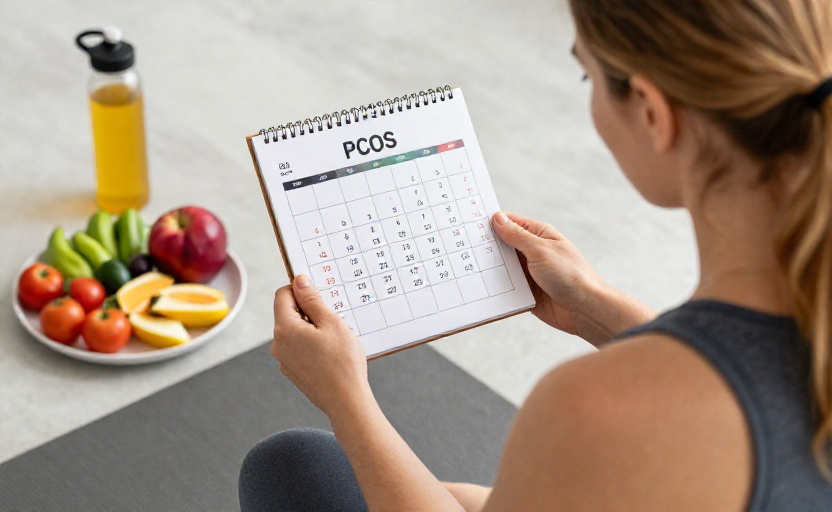
Tracking your periods and ovulation signs can be empowering. Simple methods include using a period tracking app, noting cervical mucus changes, or using ovulation predictor kits (though these can be unreliable in long cycles). Knowing your typical pattern helps you detect changes early.
However, it is essential to understand when irregularity signals a need for immediate medical attention:
- You have gone more than 90 days without a period (this carries a risk of endometrial hyperplasia).
- Bleeding is very heavy (soaking through a pad or tampon every hour for several hours).
- Bleeding occurs between periods or after sex.
- You experience severe pelvic pain not related to your period.
If you experience any of these, see a gynecologist or endocrinologist. They may recommend an ultrasound of the ovaries and endometrium, blood hormone panels, or a biopsy to rule out endometrial cancer in cases of prolonged amenorrhea.
Building a Supportive Long-Term Plan
Managing PCOS and irregular periods is rarely about a quick fix. It is a chronic condition that often changes over a lifetime—progress may be slow and non-linear. The most effective strategies are those that you can maintain without burnout.
Consider working with a registered dietitian who specializes in PCOS, as they can tailor your eating plan to your body’s specific response. An endocrinologist or a reproductive health specialist can provide nuanced medication management. And seeking psychological support (through therapy, support groups, or even trusted online communities) can help with the emotional toll of a condition that affects fertility, body image, and daily life.
The ultimate goal is not merely a period on the calendar but a better quality of life. By addressing insulin sensitivity, making room for rest, and accessing the right medical care, many women with PCOS find that cycles become more predictable and symptoms more manageable.