
For many women, a diagnosis of polycystic ovary syndrome (PCOS) arrives with a swirl of questions, not least of which is about fertility. The journey can feel overwhelming, but it’s important to remember that PCOS is a manageable condition, and a desire to conceive is often a powerful motivator for positive change. The path to improving fertility with PCOS isn’t about a single magic bullet; it’s about building a sustainable, holistic foundation that supports your body’s natural rhythms.
This foundation rests on understanding the core hormonal imbalances at play—primarily insulin resistance and elevated androgens—and how they disrupt ovulation. By addressing these root causes with consistent, expert-backed lifestyle strategies, you can create an internal environment more conducive to regular cycles and ovulation. Think of it as tending a garden: you’re improving the soil so the seeds have the best chance to grow.
How does PCOS affect fertility?
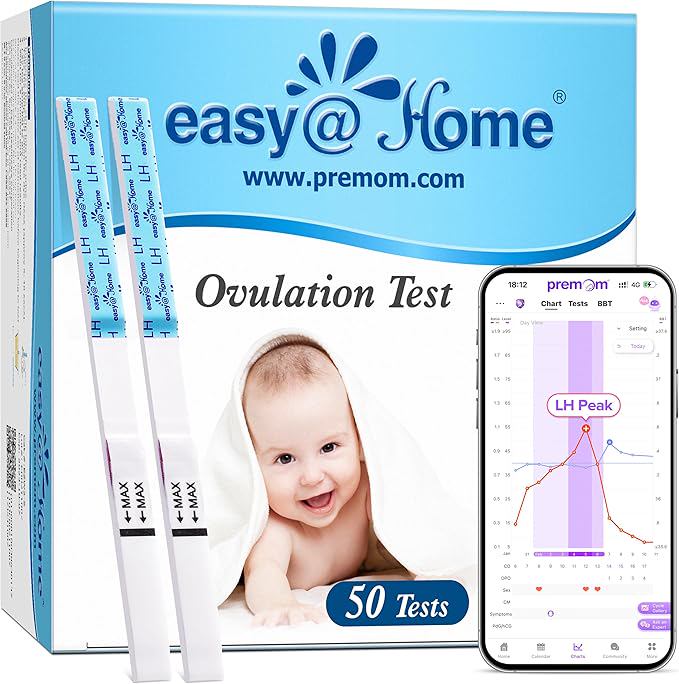
At its heart, PCOS is a condition of hormonal dysregulation that directly impacts the ovarian cycle. The most common barrier to conception is anovulation, or the lack of regular ovulation. Without the release of an egg, pregnancy cannot occur. This happens because of a complex interplay: insulin resistance can prompt the ovaries to produce excess testosterone, while imbalances in luteinizing hormone (LH) and follicle-stimulating hormone (FSH) prevent follicles from maturing and releasing an egg properly.
Instead, these immature follicles may appear as the “cysts” visible on an ultrasound—though they are technically follicles that didn’t complete their development. This cycle, if unaddressed, can lead to infrequent or absent periods. The goal of management, therefore, shifts from simply tracking a period to fostering the conditions that allow ovulation to happen consistently.
Building your foundational strategy: Nutrition and movement
Lifestyle modification is the unequivocal first-line recommendation from endocrinologists and reproductive specialists for managing PCOS. It’s the bedrock upon which other interventions are most effective.
Rethinking your plate for insulin sensitivity
Nutrition isn’t about drastic dieting; it’s about strategic nourishment. Since insulin resistance affects a significant majority of those with PCOS, the focus is on foods that promote stable blood sugar levels.
- Prioritize complex carbohydrates and fiber. Swap refined grains and sugars for whole foods like quinoa, oats, legumes, sweet potatoes, and a rainbow of non-starchy vegetables. The fiber in these foods slows digestion and blunts blood sugar spikes.
- Pair carbohydrates with protein and healthy fats. Having an apple with a handful of almonds, or whole-grain toast with avocado and an egg, creates a more balanced metabolic response than carbohydrates alone.
- Choose anti-inflammatory fats. Incorporate sources like olive oil, avocados, nuts, and fatty fish (salmon, mackerel). Chronic low-grade inflammation is often present in PCOS, and these fats can help modulate it.
Think of each meal as an opportunity to support hormonal balance. Consistency in your eating patterns—avoiding long periods without food—can be just as important as what’s on your plate.
The role of purposeful movement
Exercise improves insulin sensitivity independently of diet. The key is finding sustainable activities you enjoy, as consistency trumps intensity.
A mix of approaches often works best: strength training to build muscle (which is highly metabolically active and improves glucose uptake) paired with moderate cardio like brisk walking, swimming, or cycling. Gentle movement like yoga can also be valuable for stress reduction, which is a critical, often overlooked piece of the PCOS puzzle. High cortisol levels from chronic stress can exacerbate insulin resistance and hormonal imbalance.
Supporting your body with targeted supplements
While food comes first, certain supplements have robust evidence for addressing PCOS-specific deficiencies and improving metabolic markers. Always discuss new supplements with your healthcare provider, especially when trying to conceive.
- Inositol. This B-vitamin-like compound has emerged as a front-runner in PCOS research. Specifically, a 40:1 ratio of Myo-inositol to D-chiro-inositol has been shown to improve insulin sensitivity, support ovarian function, and promote regular ovulation. It’s considered one of the most well-researched supplements for the condition.
- Vitamin D. Deficiency is extremely common in PCOS and is linked to worse metabolic and ovulatory outcomes. Adequate levels are crucial for immune function and hormonal health.
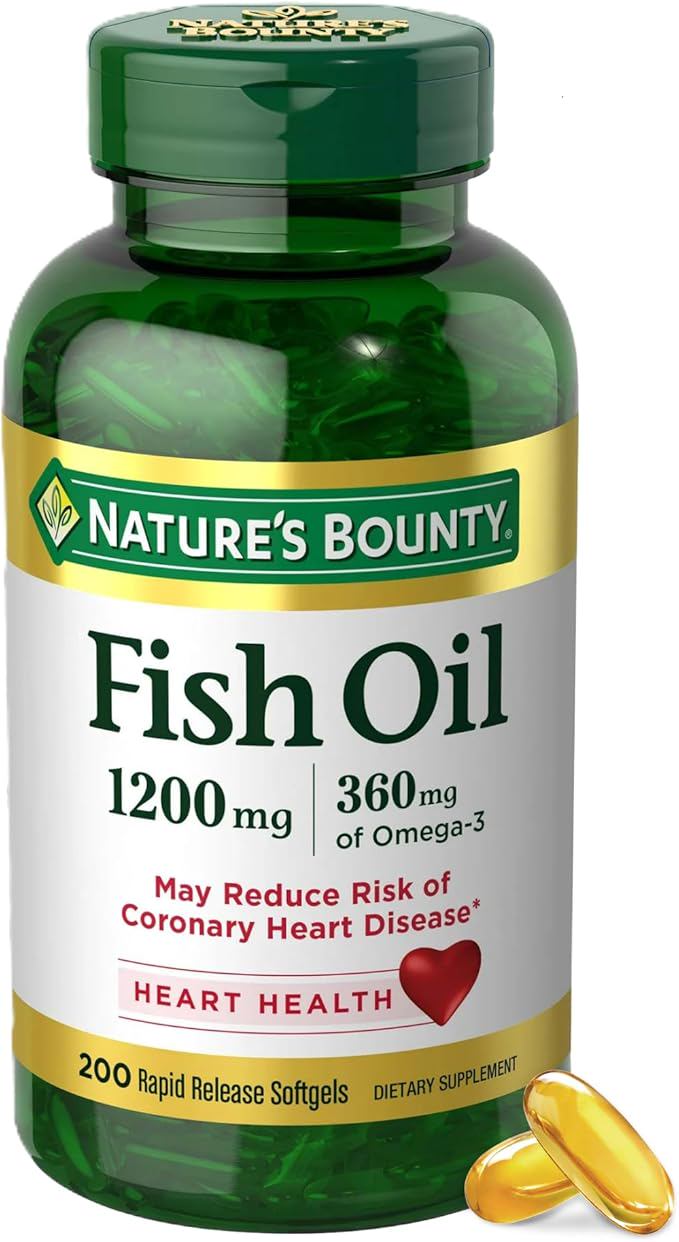
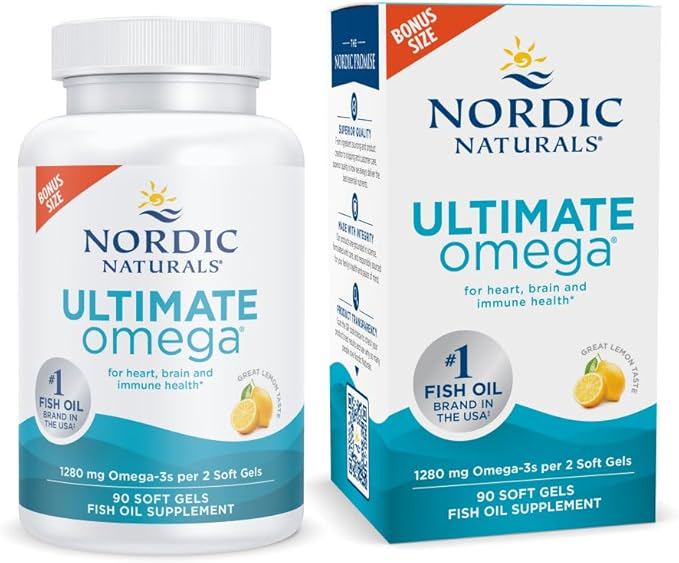
- Omega-3 Fatty Acids. Found in fish oil, these can help lower triglycerides, reduce inflammation, and may improve menstrual regularity.
- N-Acetyl Cysteine (NAC). This antioxidant may improve insulin sensitivity and has been studied alongside traditional fertility medications with positive effects on ovulation.
Medical interventions and when to consider them
Lifestyle changes are powerful, but sometimes the body needs an additional nudge. Working with a reproductive endocrinologist can help you navigate these options.
Ovulation induction is often the first medical step. The medication letrozole is now typically the first-line pharmacological treatment, as it’s often more effective and has fewer side effects than the long-used clomiphene citrate for women with PCOS. These medications help stimulate the development and release of a mature egg.
If first-line medications aren’t successful, or in cases of other compounding factors, gonadotropin injections or in vitro fertilization (IVF) may be discussed. IVF can be particularly effective for PCOS because it allows for precise control over stimulation and egg retrieval, bypassing some of the ovulatory dysfunction.
For those not immediately trying to conceive, or who need to restore cycles first, hormonal birth control is a standard option for symptom management. For women with significant insulin resistance and difficulty managing weight, a medication like metformin may be prescribed to improve insulin sensitivity, which can in turn support the return of ovulation.
Your medical team is your partner. Be open about your goals, your challenges with lifestyle changes, and any side effects you experience. A collaborative approach yields the best results.
Cultivating patience and emotional resilience
The fertility journey with PCOS is as much emotional as it is physical. The cycles of hope and disappointment, coupled with managing a chronic condition, can be draining. Acknowledge this stress. Seek support—whether through a therapist specializing in reproductive health, a PCOS support group, or trusted friends. Practices like mindfulness, meditation, or simply protecting time for rest are not indulgent; they are essential components of hormonal regulation. Your mental well-being is a critical part of the foundation you’re building.
Managing PCOS for fertility is a marathon, not a sprint. Progress is measured in consistent habits, gradual improvements in lab markers, and a deeper understanding of your own body. By layering these expert-backed strategies—thoughtful nutrition, regular movement, targeted supplementation, appropriate medical care, and emotional support—you are taking powerful, proactive steps toward your goal.