Heavy menstrual bleeding, clinically known as menorrhagia, can be more than a monthly inconvenience—it can disrupt your life, drain your energy, and cause significant concern. If you find yourself changing protection every hour or two, passing large clots, or feeling constantly fatigued during your period, you're not alone. While a medical evaluation is the essential first step to rule out underlying conditions, many people find that alongside professional care, certain home-based strategies can help them feel more in control and manage symptoms more comfortably.
It's crucial to understand that these approaches are about support and symptom management, not a substitute for a doctor's diagnosis. They focus on nourishment, lifestyle adjustments, and evidence-informed habits that can help your body cope with the physical demands of heavy bleeding.
What does heavy menstrual bleeding actually mean?
Before exploring management strategies, it helps to have a clear picture. Heavy bleeding isn't just a "heavy flow." Medical guidelines often define it as losing more than 80 milliliters of blood per cycle, but in practical terms, it's about how it affects you. Signs include soaking through a pad or tampon every one to two hours for several consecutive hours, needing to use double protection, bleeding for longer than seven days, or passing blood clots larger than a quarter. This level of blood loss can lead to iron-deficiency anemia, marked by profound tiredness, shortness of breath, and pale skin.
Foundational steps: Nourishment and iron
When blood loss is significant, replenishing your body's resources becomes a priority. Think of your diet as a way to rebuild and support your system from the inside.
Prioritize iron-rich foods. Iron is the core component of hemoglobin, which carries oxygen in your blood. Replenishing iron stores is critical. There are two types of dietary iron: heme iron from animal sources, which is more easily absorbed, and non-heme iron from plants.
- Excellent sources of heme iron include lean red meat, poultry, and fish like salmon.
- For non-heme iron, focus on lentils, beans, tofu, spinach, kale, fortified cereals, and pumpkin seeds.
Pairing plant-based iron sources with vitamin C (like bell peppers, citrus, or strawberries) can significantly boost absorption.
Don't overlook other key nutrients. Vitamin C aids iron absorption, as mentioned. Vitamin K plays a role in healthy blood clotting and is found in leafy greens. Magnesium, present in almonds, spinach, and avocados, may help ease associated cramping.
Lifestyle and comfort measures
How you move and care for your body during your period can make a tangible difference in how you feel.
Gentle movement
While intense exercise might feel overwhelming, gentle movement like walking, yoga, or stretching can actually be beneficial. It promotes circulation, may help reduce cramping, and can boost mood through the release of endorphins. Listen to your body—the goal is supportive activity, not strain.
Heat therapy
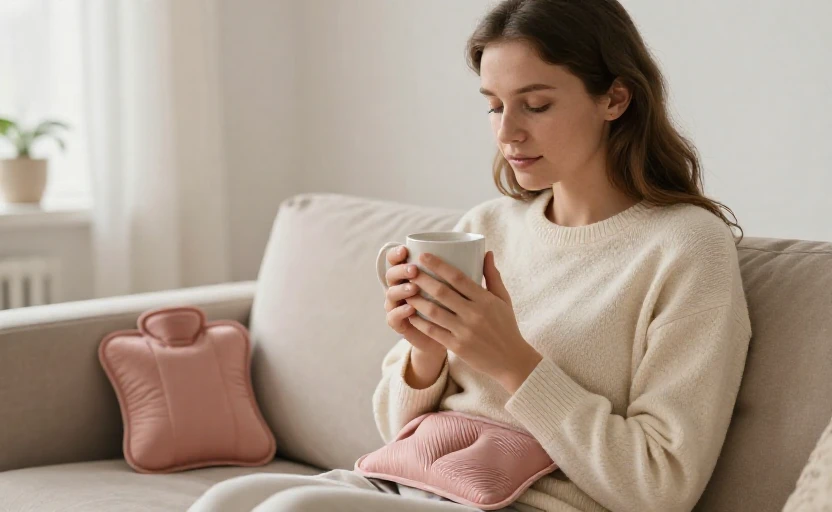
A simple heating pad or hot water bottle placed on your lower abdomen is a time-tested remedy for relaxing uterine muscles and alleviating painful cramps that often accompany heavy flow. The warmth can provide significant comfort and a sense of ease.
Hydration and rest
These are non-negotiable. Heavy bleeding can be dehydrating. Drinking plenty of water helps maintain blood volume and may reduce headaches and fatigue. Similarly, your body is working hard. Prioritizing rest and sleep allows it to repair and recover. It's okay to scale back and honor your need for downtime.
Herbal and dietary considerations: Proceed with caution
Some herbs and supplements are traditionally used for menstrual health, but the evidence varies and they are not right for everyone. Always discuss these with your healthcare provider before starting, especially if you take other medications or have health conditions.
Iron supplementation: A doctor may recommend an iron supplement if dietary changes aren't enough to correct deficiency. Do not self-prescribe high doses, as too much iron can be harmful.
Vitex (Chasteberry): Some studies suggest it may help regulate menstrual cycles and reduce bleeding for some individuals, but it can interact with hormones and medications.
Turmeric/Curcumin: Lab studies indicate its anti-inflammatory properties might influence bleeding, but robust human evidence for menorrhagia is lacking. It can also act as a blood thinner.
Cinnamon: A small amount of research points to its potential to reduce bleeding and pain, but more studies are needed.
When to seek immediate medical guidance
Home strategies are for management, not emergencies. Contact a doctor promptly if you experience:
- Soaking through one or more pads or tampons per hour for several hours.
- Bleeding that requires you to wake up at night to change protection.
- Bleeding that lasts longer than seven days.
- Signs of anemia: extreme fatigue, weakness, dizziness, or pale skin.
- Any bleeding after menopause.
Managing heavy menstrual bleeding is often a partnership between you and your healthcare team. These expert-backed home strategies can be valuable tools in your toolkit, helping you support your well-being and navigate your cycle with greater confidence and comfort. Start with the foundational pieces—nourishment, hydration, and rest—and build from there, always keeping your doctor informed of your experiences and approaches.