Living with chronic pelvic pain can feel like a constant, unwelcome companion. The ache, pressure, or sharp sensations can disrupt sleep, work, and the simple joy of daily life. While a definitive diagnosis and treatment plan from a healthcare provider are essential, there are expert-backed strategies you can integrate at home to help manage symptoms, reduce flare-ups, and regain a sense of control. These approaches focus on calming the nervous system, addressing contributing factors, and building resilience.
Think of these strategies not as a cure, but as a toolkit. Some may offer immediate relief during a flare, while others work gradually to change your pain experience over time. The goal is to find a combination that works for your unique body and life.
Understanding the Foundations: Mind and Body Connection
Chronic pain is more than a physical signal; it involves a complex interplay between nerves, muscles, emotions, and stress. A key first step in home management is acknowledging this connection. Techniques that soothe the nervous system can directly influence pain perception.
Gentle Movement and Stretching
When you're in pain, the instinct might be to avoid movement. However, gentle, mindful movement can prevent stiffness and deconditioning, which often worsen pain. The focus should be on relaxation, not exertion.
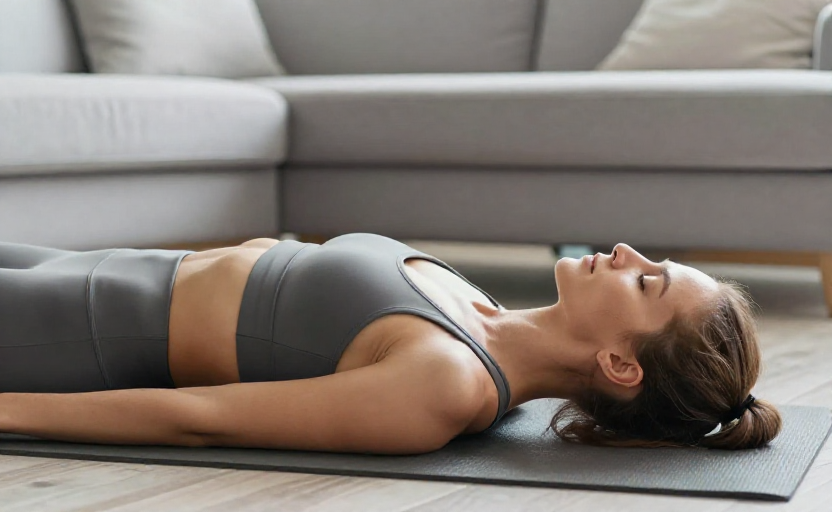
- Pelvic Floor Relaxation: For many, pelvic pain involves tight, overactive muscles. Learning to consciously release these muscles is crucial. Try diaphragmatic breathing: lie on your back, place a hand on your belly, and breathe deeply so your belly rises. Imagine your pelvic floor softening like a flower opening with each inhale.
- Gentle Yoga or Tai Chi: These practices combine movement with breath awareness. Look for restorative yoga, yin yoga, or classes specifically designed for pelvic pain. Avoid poses that create strain or pain in the pelvic region.
- Walking: A simple, daily walk can improve circulation, reduce stress hormones, and maintain overall mobility. Start with short, manageable distances on level ground.
Movement is medicine, but the prescription is gentleness. Listen to your body's signals, not your expectations.
Stress and Pain Management Techniques
Stress is a potent fuel for chronic pain. Incorporating daily practices to down-regulate your stress response can create a more hospitable internal environment for healing.
- Mindfulness and Meditation: Apps or guided sessions can help you observe pain sensations without judgment, reducing the fear and anxiety that amplify them. Even five minutes a day can build this skill.
- Paced Breathing: When pain spikes, try the 4-7-8 technique: inhale quietly through your nose for 4 counts, hold your breath for 7 counts, and exhale slowly through your mouth for 8 counts. This activates the parasympathetic nervous system, promoting calm.
- Creative Outlets: Engaging in activities you enjoy—whether art, music, gardening, or writing—can provide a mental break from pain and boost mood-regulating neurotransmitters.
Practical Adjustments for Daily Life
Small changes to your environment and habits can reduce physical triggers and make daily tasks more manageable.
Posture and Ergonomics
How you sit, stand, and move matters. Prolonged sitting, especially on hard surfaces, can increase pelvic pressure.
- Use a supportive cushion with a cut-out (donut cushion) or a wedge-shaped cushion to take pressure off the perineum and tailbone.
- Set a timer to stand up, stretch, and walk for a few minutes every 30-45 minutes if you have a desk job.
- Pay attention to your posture. Avoid tucking your pelvis under or arching your back excessively. Aim for a neutral spine.
Heat and Cold Therapy
These simple tools can provide direct symptomatic relief.
- Heat: A warm bath, heating pad, or hot water bottle placed on the lower abdomen or lower back can relax tense muscles, ease cramping, and improve blood flow. Limit applications to 15-20 minutes at a time.
- Cold: An ice pack wrapped in a thin towel can numb sharp, inflammatory pain or be used after prolonged activity. Apply for 10-15 minutes at a time.
Dietary Considerations and Bladder Habits
While no single diet cures pelvic pain, certain foods and habits can be irritants for some individuals. Keeping a simple symptom diary can help identify personal triggers.
Common dietary irritants can include caffeine, alcohol, spicy foods, acidic foods (like tomatoes and citrus), and artificial sweeteners. This doesn't mean you must eliminate them forever, but experimenting with a temporary reduction can reveal if they play a role in your symptoms.
Similarly, bladder habits can influence pelvic comfort. Try to drink water consistently throughout the day rather than in large bursts, and avoid "just in case" trips to the bathroom. Practice waiting until you feel a moderate, natural urge to urinate, which can help retrain an overactive pelvic floor.
Building a Supportive Framework
Managing chronic pain at home doesn't mean managing it alone. Your environment and community are part of your toolkit.
Open communication with trusted family or friends about your needs can alleviate the mental load. This might mean asking for help with chores, explaining why you may need to decline an event, or simply having someone listen.
Consider connecting with a support group, either in-person or online, for individuals with chronic pelvic pain. Sharing experiences and strategies with those who understand can reduce feelings of isolation and provide practical tips.
Finally, maintain a partnership with your healthcare team. Share the strategies you're trying at home and their effects. A pelvic health physical therapist, for instance, can provide personalized guidance on stretches, relaxation techniques, and ergonomics that align with your specific diagnosis.
Remember, progress is often non-linear. Some days will be better than others. The power of these home strategies lies in their cumulative effect—building small, sustainable habits that empower you to live well, even with pain.