Heavy menstrual flow, clinically known as menorrhagia, can be more than a monthly inconvenience—it can significantly impact your energy, daily plans, and overall well-being. While it’s essential to consult a healthcare provider to rule out underlying conditions, certain lifestyle adjustments, supported by research and expert guidance, can offer a complementary path to better management. These aren’t quick fixes, but gentle, sustainable shifts that support your body’s natural rhythms.
The goal is to build resilience from the inside out, focusing on nutrition, movement, and stress management to create a foundation that may help moderate flow and ease associated symptoms.
How can diet influence menstrual flow?
What you eat plays a foundational role in managing inflammation and hormone balance, two key factors in menstrual health. A diet rich in specific nutrients can help support the uterine lining and vascular health, potentially leading to a more manageable cycle.
Focus on incorporating iron-rich foods to replenish what is lost during a heavy period. Think beyond supplements to whole food sources like lentils, spinach, tofu, and lean red meat. Pairing these with vitamin C-rich foods like bell peppers or citrus can enhance iron absorption.
Omega-3 fatty acids, found in fatty fish like salmon, flaxseeds, and walnuts, have natural anti-inflammatory properties. Chronic inflammation can exacerbate menstrual symptoms, so including these foods may help create a more balanced internal environment.
Staying well-hydrated is crucial. Even mild dehydration can make cramps feel more intense and may contribute to fatigue.
Some women find that reducing inflammatory triggers like excessive caffeine, refined sugars, and highly processed foods in the week before their period makes a noticeable difference. It’s not about deprivation, but about noticing what foods make you feel stronger and more balanced.
What role does exercise play?
It might be the last thing you feel like doing, but regular, moderate exercise is a powerful tool. It helps regulate hormones, improves circulation, and is a proven mood booster—which can be vital when dealing with the fatigue that often accompanies heavy flow.
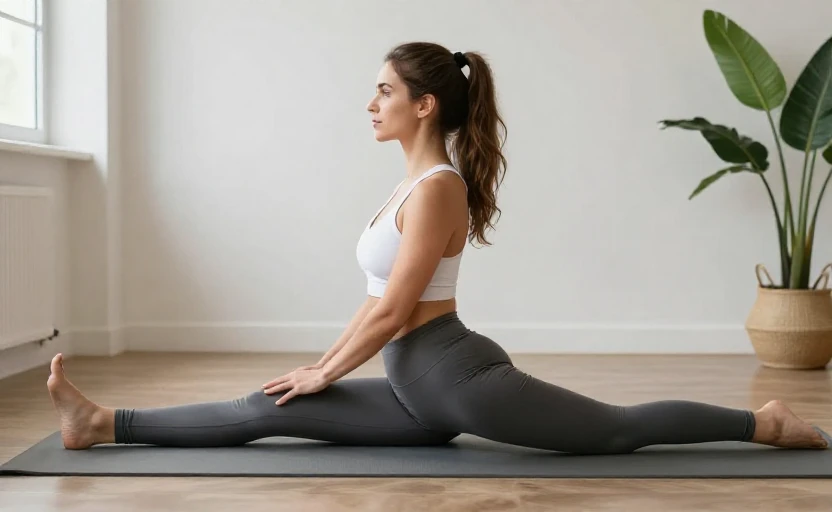
The key is listening to your body and adapting your routine. During the heaviest days, gentle movement like walking, restorative yoga, or stretching can promote blood flow without overtaxing you. These activities can also help alleviate cramping.
For the rest of your cycle, aim for a mix of cardiovascular exercise, strength training, and flexibility work. Building muscle strength, particularly in the core and pelvic region, supports overall pelvic health. Consistency matters more than intensity; finding a routine you can maintain is the goal.
Can stress management techniques help?
Stress and your menstrual cycle are intimately connected through the hypothalamic-pituitary-adrenal (HPA) axis. High stress can disrupt hormonal signals, potentially worsening menstrual symptoms, including flow.
Integrating daily stress-reduction practices can create a buffer. This doesn’t require hours of meditation. It could be five minutes of deep breathing in the morning, a short mindful walk, or keeping a gratitude journal. The practice of paced breathing—inhaling slowly for a count of four, holding for four, exhaling for six—can directly calm the nervous system and may help ease uterine cramping.
Prioritizing sleep is a non-negotiable form of stress management and hormonal regulation. Creating a cool, dark, screen-free bedtime environment supports the production of melatonin and the restoration of cortisol rhythms, both of which influence reproductive health.
What about specific herbs and supplements?
Some natural compounds have a long history of use for menstrual support. It’s vital to approach these with caution and discuss them with your doctor, especially if you are on other medications, as interactions are possible.
- Vitamin C with Bioflavonoids: Some evidence suggests it can help strengthen capillaries, the tiny blood vessels, which may support vascular integrity in the uterus.
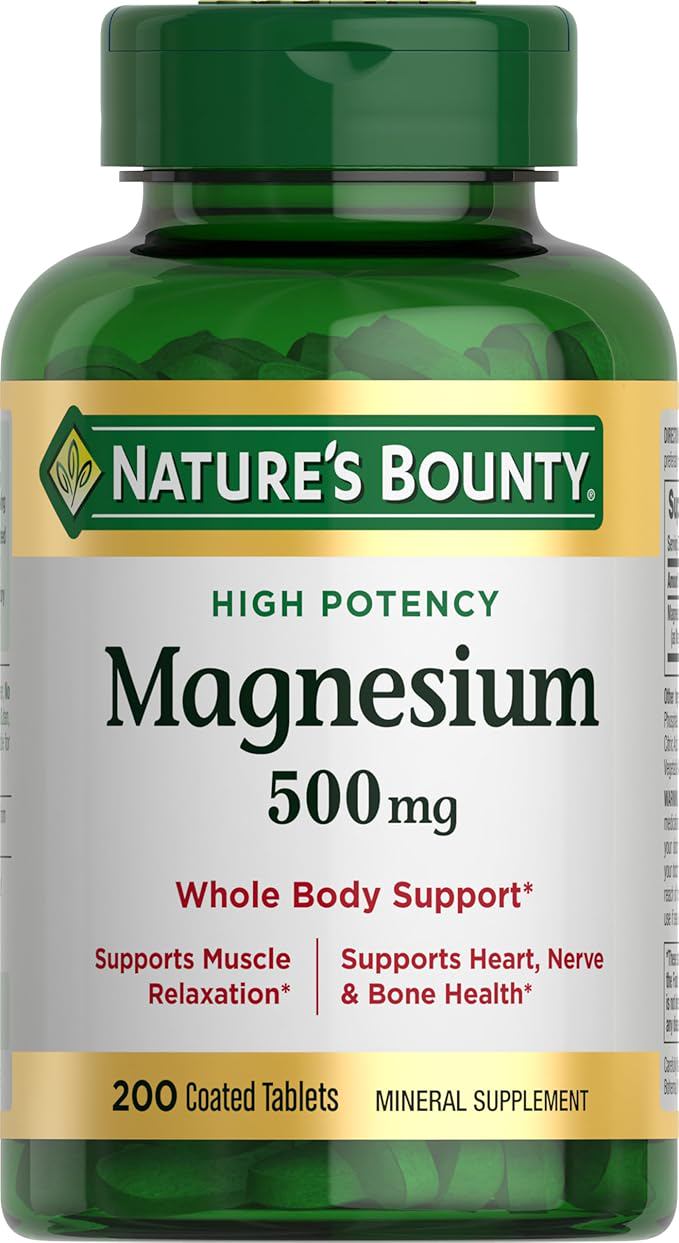
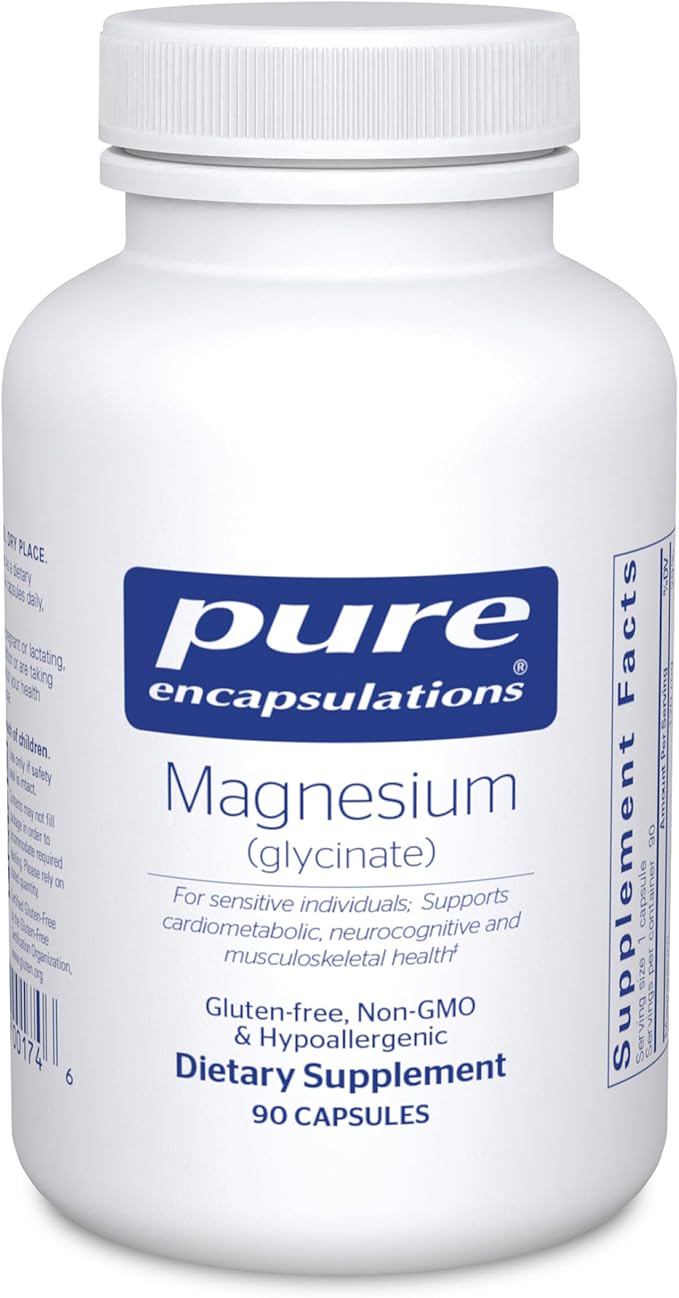
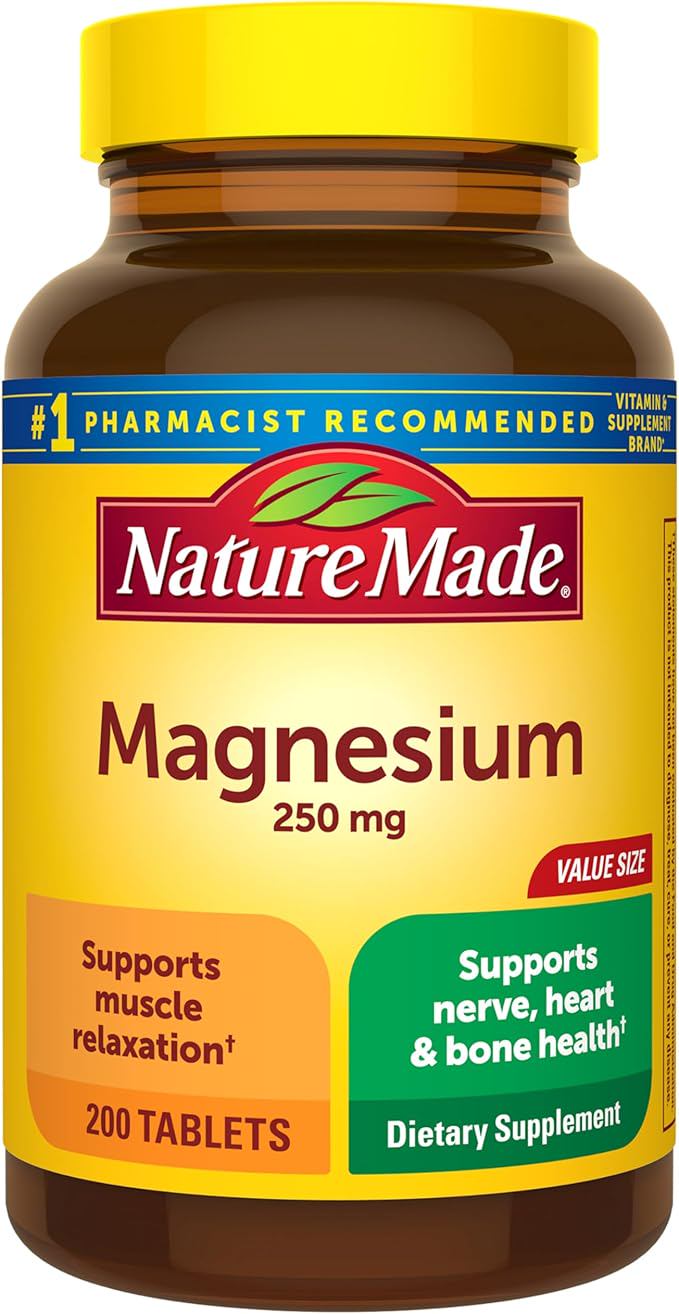
- Magnesium: This mineral is involved in hundreds of bodily processes, including muscle relaxation. Adequate magnesium levels may help soothe uterine muscle contractions.
- Chasteberry (Vitex agnus-castus): This herb is traditionally used to support progesterone balance in the second half of the cycle. Some studies indicate it may help reduce symptoms of PMS and heavy bleeding for some women, but results can vary.
Remember, “natural” does not automatically mean “safe for everyone.” Professional guidance ensures you choose the right option for your individual health picture.
When should you see a doctor?
Lifestyle strategies are part of a holistic approach, but they are not a substitute for medical care. It’s important to partner with a healthcare provider to understand the cause of heavy flow. Seek professional advice if you experience:
- Soaking through a pad or tampon every 1-2 hours for several hours in a row.
- Needing to use double protection (like a tampon and a pad) to control flow.
- Bleeding that lasts longer than 7 days.
- Passing large blood clots (the size of a quarter or larger).
- Symptoms of anemia, such as extreme fatigue, shortness of breath, or dizziness.
These could be signs of conditions like fibroids, adenomyosis, polyps, or hormonal imbalances that require specific medical treatments. A clear diagnosis is the first step toward effective management.
Managing heavy menstrual flow is often about layering supportive strategies. By nourishing your body with targeted foods, engaging in mindful movement, actively managing stress, and seeking appropriate medical insight, you can build a personalized toolkit to navigate your cycle with greater ease and confidence.