If you live with heavy periods, you know the kind of cramping that can stop you mid-step. Over-the-counter pills may help, but many people look for drug-free options they can use at home. One of the most accessible, time-tested tools is simple heat. Research and clinical experience both support heat therapy for period pain, and this article will walk you through how to use it safely and effectively for heavy flow days.
Why heat works for period cramps
Period pain—whether from primary dysmenorrhea or the heavier cramping that can accompany menorrhagia—is mainly caused by prostaglandins. These hormone-like compounds make the uterine muscles contract to shed the lining. When they contract too forcefully, they squeeze off blood flow to the uterus, which triggers pain. Applying heat to the lower abdomen or lower back relaxes those muscles, increases blood circulation, and helps ease the cramping sensation. A landmark study found that a heat patch delivering 104 °F (40 °C) was as effective as ibuprofen for some women over two menstrual cycles.
Best ways to apply heat for heavy-period relief
Not all heat sources are equal when you’re dealing with heavier bleeding. You want steady warmth that stays in place and doesn’t interfere with pads, period underwear, or menstrual cups. Here are the most practical options.
Electric heating pads
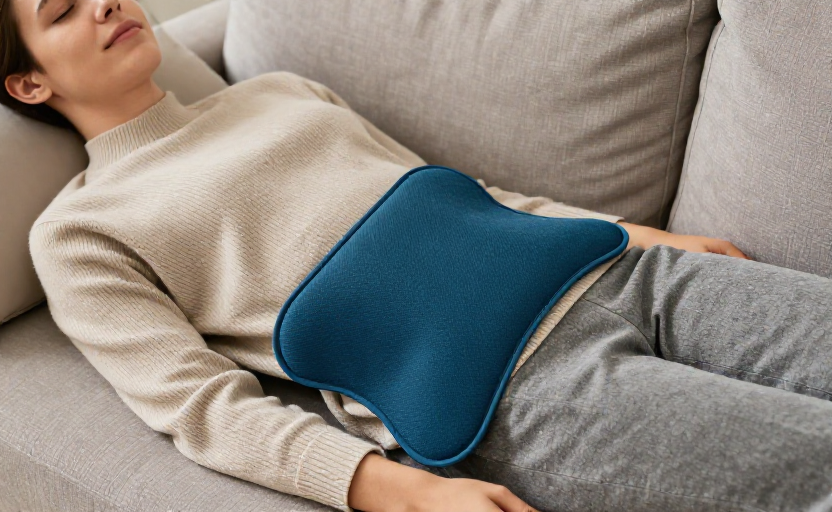
A standard electric heating pad is reliable because it offers consistent temperature control. Place it over your lower abdomen (below the belly button) or on your lower back. Keep the pad on a low or medium setting. Most experts recommend using it for 15 to 20 minutes at a time, then taking at least a 30-minute break to let your skin cool down. Never fall asleep with a heating pad plugged in—the sustained pressure and heat can cause burns.
Microwaveable warm packs
Flax, rice, or cherry-pit-filled packs hold moist heat well and conform to your body. Warm one in the microwave according to the instructions (usually 1–2 minutes). Wrap it in a thin towel before applying it to your skin. This is a good option if you want to move around the house, since these packs are cordless. However, the heat fades after about 20 minutes, so you may need to rewarm it.
Adhesive heat patches
Small air-activated patches that stick to your underwear or directly to your skin can deliver 8 to 12 hours of gentle heat. They’re discreet enough to wear under work clothes and while sleeping. Because they don’t get as hot as an electric pad, you can often wear them longer—check the product instructions. They work best for mild to moderate cramps and can be a good complement to other remedies on heavy days.
Warm baths
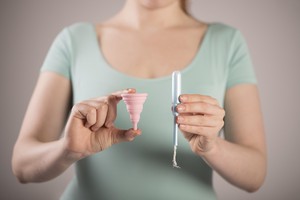
A soak in warm water can relax your entire pelvic region. If you have heavy bleeding, a bath can also help you feel cleaner and relieve the achiness in your thighs and back. Keep the water temperature comfortably warm—not scalding—and limit your soak to about 20 minutes. If you’re worried about leaks, try a menstrual cup or tampon right before getting in.
Safety note: Heat therapy is considered safe for most people, but if you have a condition that affects skin sensitivity (like diabetic neuropathy) or a known pelvic infection, check with your healthcare provider first. Never apply heat to skin that is already burned, broken, or numb.
When to combine heat with other strategies
For heavy periods, heat alone may not be enough if you also have large clots, soak through protection quickly, or feel dizzy from blood loss. In those cases, heat works best as part of a multi-angle plan:
- Stay hydrated. Warm water or herbal teas (like ginger or chamomile) help maintain circulation and can reduce the feeling of chill that sometimes comes with heavy bleeding.
- Consider over-the-counter NSAIDs. Ibuprofen or naproxen taken at the first sign of pain can reduce prostaglandin production, which complements the muscle-relaxing effect of heat. Always follow the label directions and talk to your doctor if you have stomach issues or take other medications.
- Gentle movement. Lying still with a heating pad is fine, but light walking or stretching after the heat session can prevent blood from pooling in the pelvis.
Common mistakes to avoid
Getting heat therapy wrong can cause more harm than good. Here are the pitfalls to skip:
- Using high heat for too long. A heating pad on the highest setting for over 30 minutes can cause first-degree burns, especially if you fall asleep on it.
- Applying heat to the back only. While back pain is real, most period cramps originate in the uterus. Place heat low on the abdomen or very low on the back (right above the tailbone) for the best effect.
- Relying solely on heat for an underlying condition. If your periods have always been heavy and painful, or if the pain suddenly worsens, see a gynecologist. Conditions like endometriosis, uterine fibroids, or adenomyosis often need more than surface heat.
How long until you feel relief?
Most people notice a softening of the cramp within 10 to 15 minutes of applying heat. The full effect—where the pain drops from a 7 to a manageable 3 or 4—often takes about 20 to 30 minutes. For stubborn cramping, you may need repeated sessions over the first two days of your period.
Heat therapy is a practical, low-risk, drug-free tool you can reach for any time cramps strike. By pairing it with smart use habits and other self-care strategies, you can get through even heavy period days with less misery and more control. If your symptoms remain severe or you’re soaking through a pad or tampon every hour, please talk with a healthcare professional to rule out underlying causes.