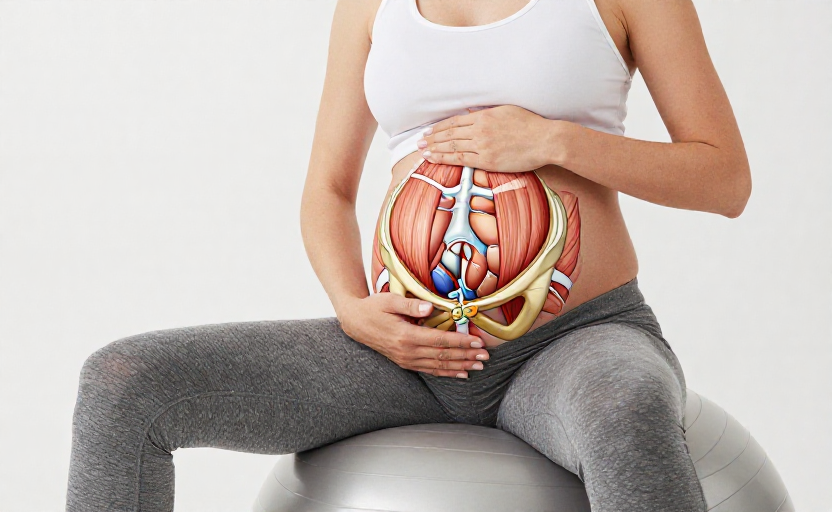
Pregnancy puts a tremendous amount of pressure on the pelvic floor. As your baby grows, the added weight, shifting hormones, and changes in posture all challenge the group of muscles and connective tissues that form the sling at the base of your pelvis. This can lead to leaking urine when you sneeze, cough, or laugh (known as stress incontinence), as well as pelvic pressure or discomfort later in pregnancy and after delivery.
The good news is that targeted, consistent pelvic floor strengthening can reduce these risks, support your growing bump, and speed recovery postpartum. This article explains what the pelvic floor does during pregnancy, how to engage it correctly, and which exercises are safe and effective—backed by expert guidance.
Why the pelvic floor matters during pregnancy
The pelvic floor has three major jobs: to support the bladder, uterus, and bowel; to help control urinary and fecal continence; and to work in concert with the deep core muscles to stabilize the spine. During pregnancy, rising progesterone and relaxin levels cause ligaments to soften, making the pelvic floor more pliable but also less able to maintain tension. Meanwhile, the growing uterus adds constant downward pressure.
“If you do nothing to maintain pelvic floor strength, the muscles can become overstretched and weak,” explains Dr. Sarah Johnson, a women’s health physical therapist. “That can lead to prolapse symptoms and incontinence that persist after birth.” The goal is not to make the muscles super tight, but to train them to contract and relax efficiently under increased load.
How to find and engage the pelvic floor correctly
Many pregnant people accidentally contract their glutes, thighs, or abdominals when they try to squeeze their pelvic floor. To isolate the right muscles, imagine you are trying to stop the flow of urine midstream or hold in gas. You should feel a lifting and squeezing sensation at the front and back of the pelvic outlet.
The “knack” technique
Dr. Mary O’Brien, a pelvic health specialist, recommends the “knack” as a first step: “Contract your pelvic floor just before you cough, sneeze, laugh, or lift something. With repetition, it becomes an automatic reflex.” This is one of the most evidence-based strategies to prevent stress incontinence during pregnancy.
Quick tip: Never practice Kegels while actually urinating—that can weaken the pelvic floor over time. Only use the “stop the stream” imagery to find the muscles, then do your exercises on an empty bladder.
Safe pelvic floor exercises for each trimester
Most experts recommend starting pelvic floor exercises early in pregnancy, ideally in the first trimester, and continuing throughout. Avoid holding your breath or bearing down.
First trimester: foundational Kegels
- Slow Kegels: Squeeze and lift for a count of 5–10 seconds, then relax completely for at least 10 seconds. Do 3 sets of 10 repetitions daily.
- Quick Kegels: Contract and release rapidly for 1 second each. Do 10 repetitions once or twice per day.
Second trimester: core integration
Add deep core breathing. Inhale, letting your rib cage expand. Exhale gently and engage the pelvic floor as if drawing it upward. This can be done while sitting on a stability ball or lying on your side (to avoid lying flat on your back after 20 weeks).
“Your pelvic floor should lift during the exhale, not push down,” says certified nurse-midwife Laura Chen. “If you feel bulging or a strong urge to push, you’re bearing down—stop and relax.”
Third trimester: functional movements
Focus on controlled activities that mimic daily life. Try squats with pelvic floor engagement: stand with feet hip-width apart, lower into a partial squat as if sitting in a chair, and lift the pelvic floor as you rise. Also practice bridge lifts lying on your back with knees bent, lifting only your hips while keeping the pelvic floor active.
What to avoid
Some moves can strain the pelvic floor. Avoid high-impact jumping, deep unassisted squats with heavy weight, and prolonged coughing or constipation (both increase downward pressure). If you have pain, pelvic pressure, or a feeling of heaviness, stop and consult a pelvic floor physical therapist.
Also, do not do Kegels while wearing a heavy belly support belt unless advised by your provider—it can create excessive intra-abdominal pressure instead of helping.
When to seek professional help
Talk to your doctor or midwife if you experience any of the following during pregnancy: leaking urine (even a few drops), feeling a bulge in the vagina, pelvic pain during sex, or difficulty passing stool. A pelvic floor physical therapist can assess muscle tone, teach proper breathing patterns, and prescribe a customized program.
“Pregnancy is the perfect window to build a strong, responsive pelvic floor,” says Dr. Johnson. “You are not stuck with incontinence—most women improve significantly with guided training.”
Consistency matters most
Doing these exercises every day—even just 5 minutes—is more effective than a long session once a week. Set a reminder, do them while brushing your teeth, or pair them with your prenatal yoga routine. The pelvic floor is a muscle like any other: it responds to regular, moderate training, not occasional maximal effort.
Remember that these exercises are about support and function, not perfection. Be kind to your body, slow down if you feel pain, and celebrate the small wins—a night with no leaks, a smoother squat, less back ache. Your pelvic floor works hard for you every day; giving it a little focused attention during pregnancy is one of the smartest investments you can make in your long-term health.