Bringing a new life into the world is a profound experience, but the hours and days that follow require careful attention to your body's signals. One of the most critical, yet often misunderstood, complications after childbirth is postpartum hemorrhage (PPH). While it is a leading cause of maternal morbidity worldwide, knowing what to watch for can make all the difference in getting timely care. This article distills expert-backed advice on recognizing the warning signs of postpartum hemorrhage, helping you stay informed and prepared.
What Exactly Is Postpartum Hemorrhage?
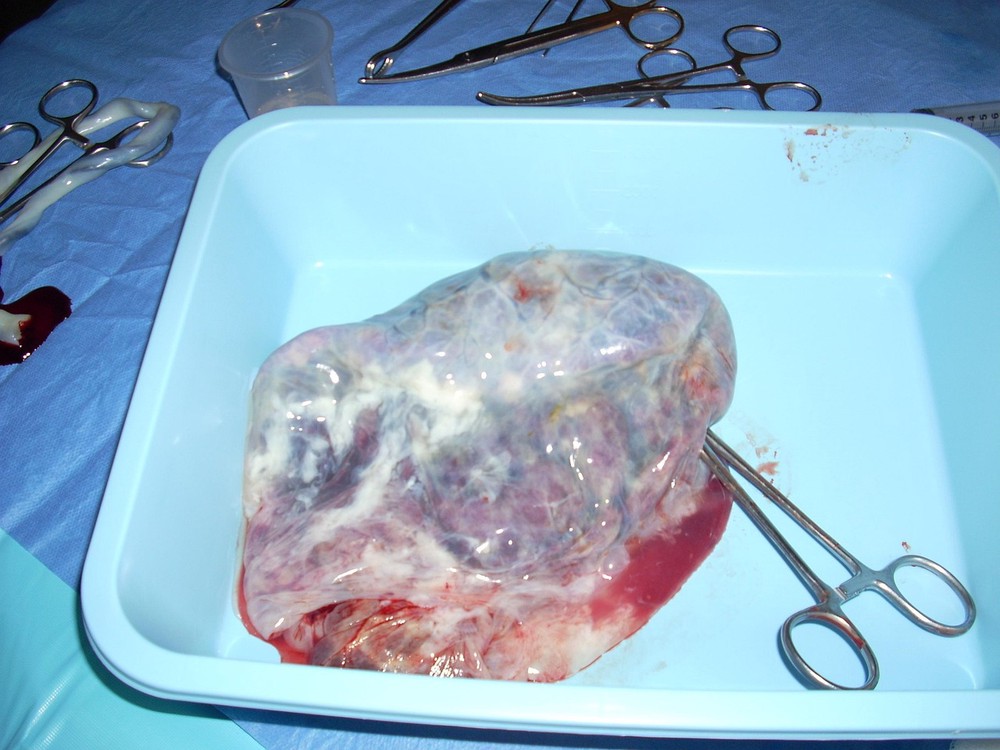
Postpartum hemorrhage is defined as heavy bleeding after childbirth. It is typically classified into two types: primary PPH, which occurs within the first 24 hours after delivery, and secondary PPH, which happens between 24 hours and up to 12 weeks postpartum. The most common cause is uterine atony, where the uterus fails to contract adequately after the placenta is delivered. Other causes include retained placental tissue, vaginal or cervical lacerations, and blood clotting disorders.
The key is not just the amount of bleeding but the speed at which it happens. A slow, steady trickle can be just as dangerous as a sudden gush if it goes unrecognized.
Early Warning Signs You Should Not Ignore
Your healthcare team monitors you closely right after birth, but once you go home, you become the first line of observation. Here are the primary warning signs of PPH that warrant immediate medical attention:
- Soaking through a pad every hour or less. While some bleeding is normal, bleeding that saturates one or more pads per hour, or that contains large clots (larger than a plum), is not.
- Bright red bleeding that does not slow down. Lochia—the normal postpartum discharge—typically transitions from bright red to pink or brown over a few days. Persistent bright red bleeding suggests active hemorrhage.
- A racing heart or feeling lightheaded. Palpitations, dizziness, or feeling faint can indicate a drop in blood volume, even if the bleeding does not seem extreme.
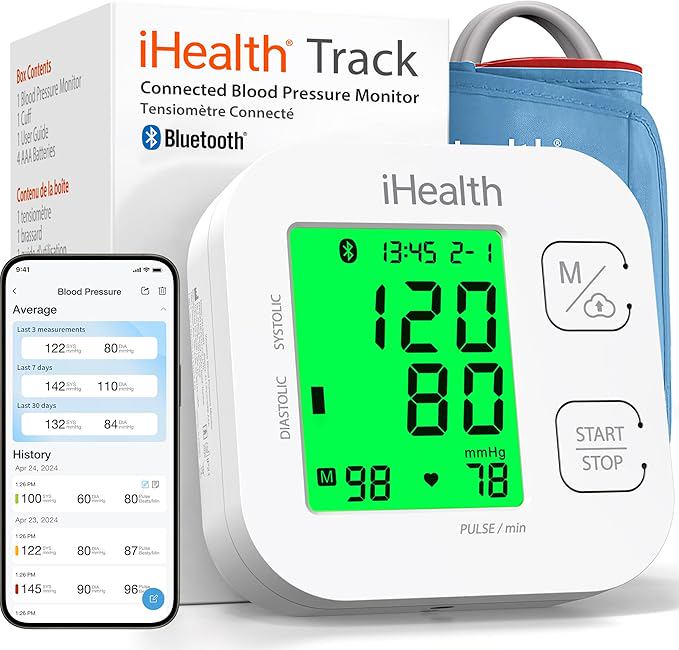
- Low blood pressure. If you have a home blood pressure cuff or feel unusually weak, a reading below your baseline may be a red flag.
- Pain or pressure in the lower abdomen. This may be a sign of a distended bladder or that the uterus is not contracting properly.
Listen to your gut. If something feels off—whether it is fatigue, chills, or an instinct that your bleeding is heavier than it should be—do not wait. Call your provider or visit the emergency room.
Risk Factors That Raise Your Odds
While any woman can experience PPH, certain factors increase the risk. Knowing if you have one or more of these can help you and your care team plan ahead:
- Prolonged labor or a very rapid labor
- Large baby (macrosomia) or multiple gestation
- Pre-eclampsia or high blood pressure during pregnancy
- Induction of labor or use of certain medications like magnesium sulfate
- Previous history of PPH
- Obesity or anemia
- Retained placenta or placenta previa
Having a risk factor does not mean hemorrhage is inevitable—it simply means you benefit from extra vigilance, such as having IV access in place during labor or a planned place of delivery with a blood bank nearby.
What About Secondary Postpartum Hemorrhage?
Secondary PPH occurs after you have left the hospital, often catching new parents off guard. The most common cause is retained placental fragments or an infection (endometritis). Warning signs include:
- A sudden increase in bleeding after it had tapered off
- Foul-smelling lochia or fever
- Pelvic pain or tenderness that worsens rather than improves
If you are more than a week postpartum and notice any of these symptoms, contact your provider promptly. Early treatment often involves antibiotics or a minor procedure to remove retained tissue.
What to Do If You Suspect PPH
If you experience any warning sign of postpartum hemorrhage, try to stay calm and take these steps:
- Lie down flat. This helps maintain blood flow to your brain and vital organs.
- Have someone call your healthcare provider or 911 immediately. Do not drive yourself.
- Keep a pad or towel in place. Do not insert anything vaginally.
- If breastfeeding, you can continue. Nursing releases oxytocin, which helps the uterus contract—but only if you are stable and comfortable.
Hospital treatment for PPH often involves uterine massage, medications like oxytocin or misoprostol to encourage contraction, IV fluids, and, if needed, blood transfusion. In rare cases, surgical interventions such as uterine artery embolization or hysterectomy may be life-saving.
The Emotional Side of PPH
Surviving a hemorrhage can be traumatic. Many women experience anxiety, flashbacks, or even postpartum PTSD after a significant bleed. It is important to talk with your provider about how you are feeling, both physically and emotionally. Support groups and counseling can be incredibly helpful in processing the experience and rebuilding confidence in your body.
Remember: postpartum hemorrhage is treatable, especially when caught early. You are not alone—and you are not overreacting by seeking help. Trust your instincts, know the signs, and give yourself grace as you recover.