Heavy menstrual bleeding can interrupt daily life, especially when you are using hormonal birth control and still experiencing troublesome flow. While your contraceptive method plays a primary role in regulating your cycle, the habits you build around it matter just as much. Small, consistent lifestyle adjustments can work alongside your prescription to support overall hormone balance and reduce the intensity of heavy periods.
Below, gynecologists and health educators share practical, expert-backed advice on pairing everyday changes with hormonal birth control to better manage heavy flow.
Why hormonal birth control may not stop heavy flow completely
Hormonal contraceptives—pills, rings, patches, or hormonal IUDs—are often prescribed to lighten periods. They work by steadying estrogen and progesterone levels, which thins the uterine lining. However, breakthrough bleeding or unexpectedly heavy flow can still occur, especially during the first few months of use or if your body is sensitive to hormone fluctuations.
According to Dr. Anjali Mehta, a board-certified gynecologist, “Even with consistent use of hormonal birth control, factors like stress, diet, sleep quality, and underlying conditions such as fibroids or endometriosis can cause heavy bleeding. The contraceptive is a tool, not a standalone fix.” Combining medication with targeted lifestyle changes can enhance its effectiveness.
Nutritional strategies that support lighter flow
What you eat affects how your body processes hormones and how your uterine lining builds and sheds. Pairing your birth control with a diet focused on anti-inflammatory foods and key nutrients may help reduce excessive bleeding.
Prioritize iron-rich and vitamin C foods
Heavy flow depletes iron stores, which can lead to fatigue and dizziness. Include lean red meat, spinach, lentils, and fortified cereals. Pair these with vitamin C sources like oranges, bell peppers, or broccoli to improve absorption. This combination supports red blood cell production and energy levels during your period.
Incorporate omega-3 fatty acids
Omega-3s found in salmon, flaxseeds, and walnuts have natural anti-inflammatory properties. They may help balance prostaglandins—chemicals that influence uterine contractions and bleeding. A diet rich in omega-3s can potentially make periods less painful and less heavy when used alongside hormonal contraceptives.
Stabilize blood sugar with regular meals
Skipping meals or relying on sugary snacks can spike and crash insulin levels, which may worsen hormonal fluctuations. Eating balanced meals every three to four hours—combining protein, fiber, and healthy fats—keeps blood sugar stable. This simple habit can reduce hormone-driven cravings and support consistent cycle regulation.
“I recommend patients on birth control eat a handful of almonds or a small apple with peanut butter between meals. It sounds minor, but stable energy prevents the afternoon slumps that can trigger stress hormones—and less stress means fewer breakthrough bleeds.” — Dr. Mehta
Exercise: gentle movement for hormone balance
Regular physical activity improves circulation, reduces pelvic congestion, and helps manage weight—all of which influence menstrual flow. But not all exercise works the same way when you are dealing with heavy periods on birth control.
Aim for low-to-moderate intensity activities most days. Brisk walking, swimming, cycling, or gentle yoga for 20–30 minutes can lower cortisol and support estrogen metabolism. Avoid extremely high-intensity workouts during the heaviest days of your flow, as they can temporarily increase bleeding in some women. Listen to your body; if you feel lightheaded or exhausted, scale back.
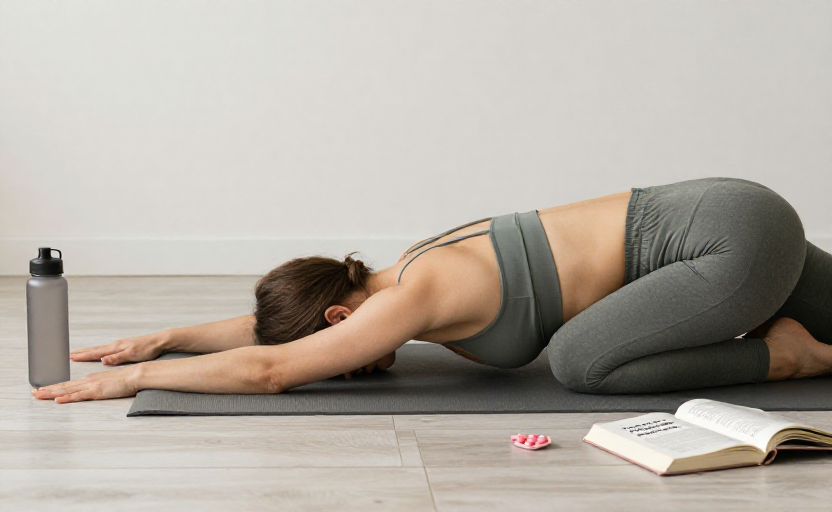
Yoga, in particular, may offer added benefits. Poses like legs-up-the-wall (Viparita Karani) and child’s pose (Balasana) encourage pelvic relaxation and can ease heavy flow. Combining yoga with your birth control regimen is a low-risk, research-supported way to support overall hormonal health.
Sleep and stress management as hormonal regulators
Chronic stress and poor sleep directly disrupt the hypothalamic-pituitary-ovarian axis—the system that controls your menstrual cycle. Even if you take your pill or change your patch on time every week, high cortisol levels can trigger unscheduled bleeding or heavier flow.
Prioritize seven to eight hours of quality sleep per night. Create a wind-down routine without screens at least 30 minutes before bed. For stress, try five-minute daily breathing exercises: inhale for four counts, hold for four, exhale for four. Brief mindfulness practices can lower cortisol and help your contraceptive work more predictably.
Hydration and limiting inflammatory triggers
Dehydration can thicken blood and make uterine cramping more intense. Aim for eight to ten glasses of water daily, and consider herbal teas like ginger or chamomile, which have mild anti-inflammatory properties. On the flip side, reducing alcohol and caffeine during your period may ease heavy flow, as both can affect blood vessel function and hormone clearance.
Avoid processed foods with trans fats and high sodium, which promote inflammation. Instead, choose whole foods—vegetables, whole grains, and lean proteins—to support your body’s natural detoxification pathways.
When lifestyle changes are not enough
If you have consistently followed these lifestyle adjustments for two to three cycles and still experience heavy flow (soaking through a pad or tampon every hour for several hours, passing large clots, or feeling severely fatigued), consult your gynecologist. You may need a different type of hormonal birth control, a higher dose, or evaluation for underlying conditions like thyroid disorders, polyps, or adenomyosis. Lifestyle changes are powerful partners to medical treatment, but they should never replace professional evaluation when bleeding remains heavy.
This article is for educational purposes only and does not constitute medical advice. Always consult your healthcare provider before making changes to your birth control or treatment plan.