
The good news: you are taking your prenatal vitamin to support your growing baby. The less-good news: for many women, that little pill can trigger a wave of queasiness that makes the first trimester even harder. If you are dealing with nausea caused by your prenatal, you are not alone—and there are real, practical ways to ease the discomfort without skipping your supplement.
Nausea from prenatal vitamins is a common side effect, usually linked to the iron content or simply the body's heightened sensitivity during early pregnancy. The key is working with your physiology, not against it. Below are expert-backed strategies that can help your stomach settle so you can keep getting the nutrients you and your baby need.
Try Taking Your Vitamin with Food—But Not Just Any Food
Swallowing a prenatal on an empty stomach is a fast track to nausea for many women. A small, bland snack can buffer the stomach lining. Think a few saltine crackers, a slice of dry toast, or a banana. Avoid acidic fruits, greasy foods, or dairy-heavy snacks right before your pill, as these can sometimes worsen stomach upset. The goal is to have a neutral food base—not a full meal, but enough to take the edge off.
Consider Timing: Is Morning Really Best?
Conventional advice often says to take your prenatal in the morning. But for nausea-prone moms, that logic can backfire. Many women find that taking their vitamin right before bed helps them sleep through the worst of the queasiness. Others do best with a mid-afternoon dose, paired with a small snack. Experiment with your timing for a few days to see what your body tolerates, but aim for consistency—taking it at the same time daily helps regulate your system.
Switch to a Gummy or Chewable Form
Sometimes the biggest culprit is the size and texture of a horse-pill tablet. Gummy prenatal vitamins are often easier on the stomach because they typically contain less iron, which is a common nausea trigger. Many women who cannot tolerate standard tablets do well with a gummy. Just be aware that gummies usually lack iron entirely, so you may need a separate, gentle iron supplement later in pregnancy if your levels drop. Always run a switch like this by your healthcare provider first.
Take It with a Ginger or Vitamin B6 Booster
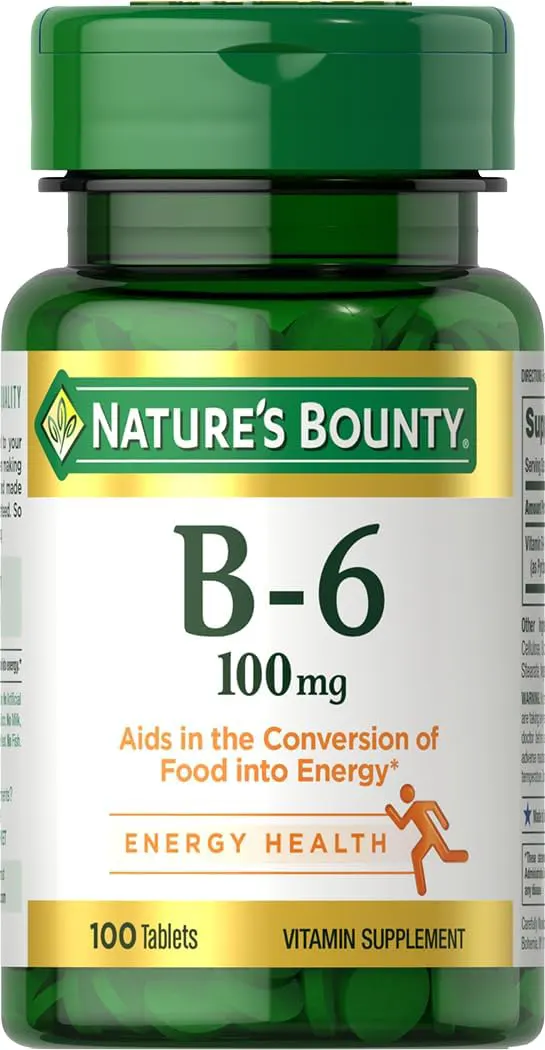
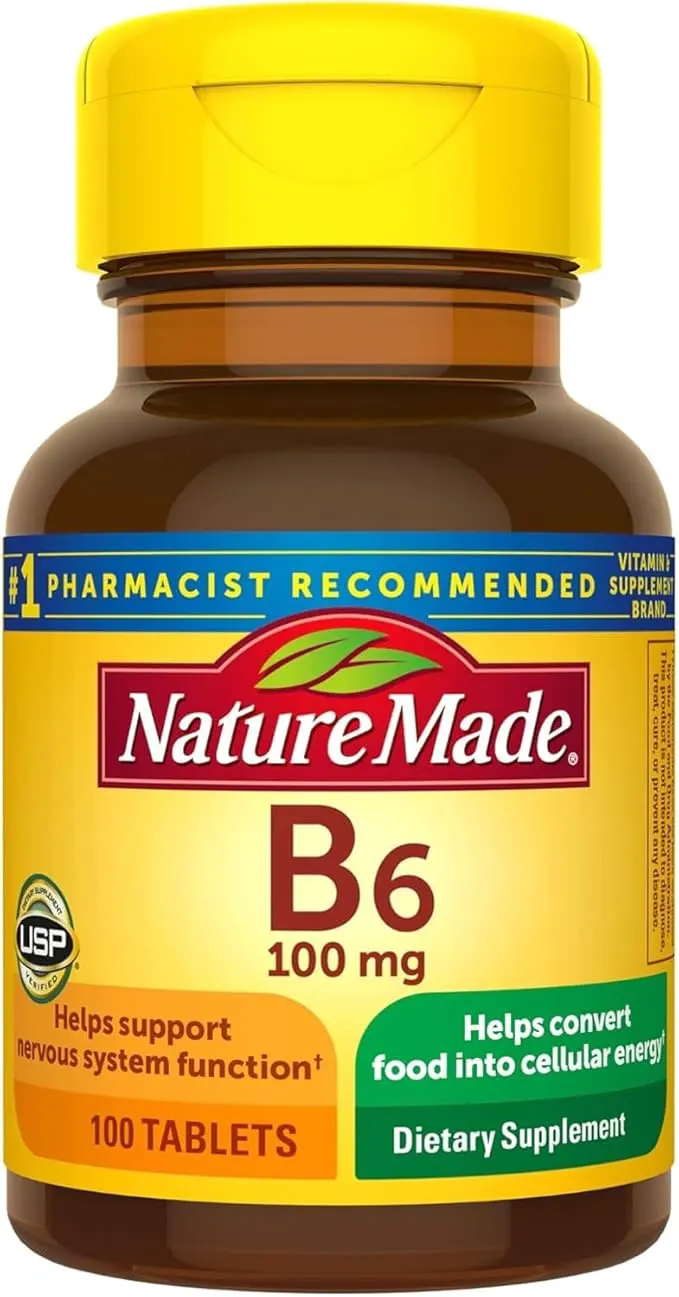
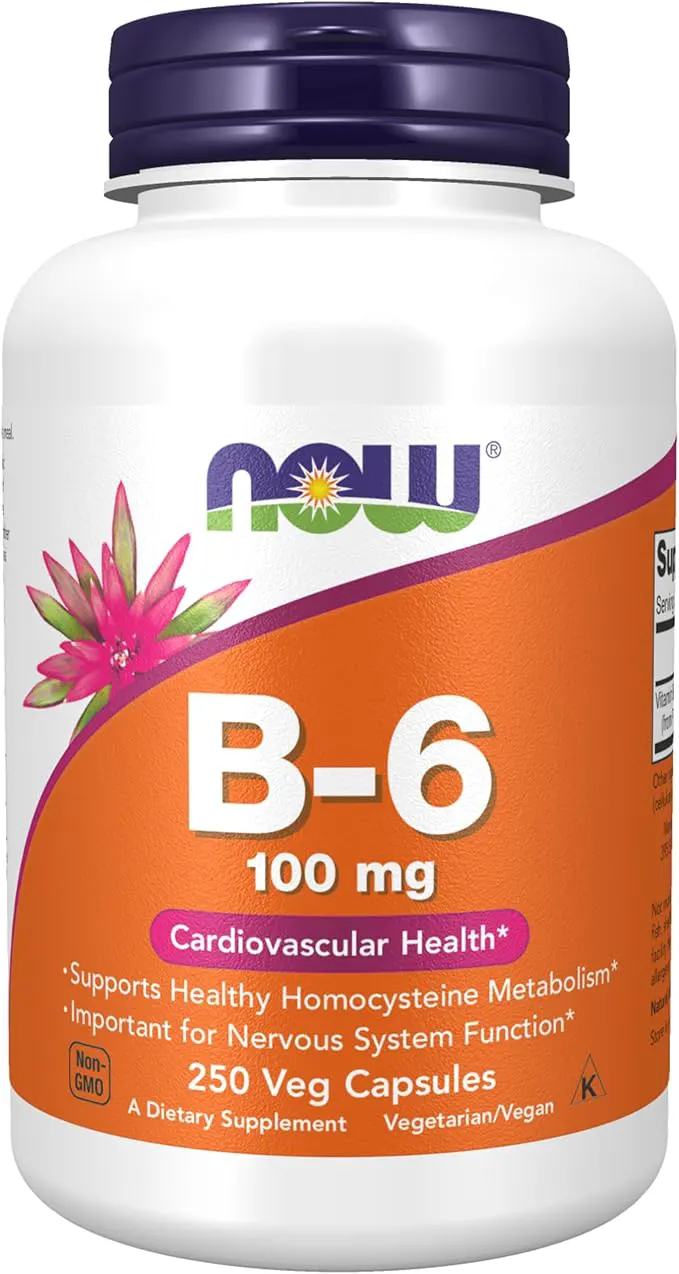
Both ginger and vitamin B6 are well-studied, pregnancy-safe nausea remedies. You can take your prenatal with a small glass of ginger tea, chew a piece of crystallized ginger, or sip ginger ale that contains real ginger. Some prenatal vitamins already include B6 to help with nausea, but if yours does not, your provider may recommend a small, separate B6 supplement to take alongside your vitamin. A typical dose to discuss with your doctor is around 10 to 25 mg, three times a day.
Don't Be Afraid to Split the Dose (If Your Formula Allows It)
If your prenatal is a two-capsule-a-day system, taking both at once may overload your stomach. Try splitting the dose—one capsule with breakfast and one with dinner. For single-tablet formulations, consult your pharmacist since some pills are designed to be taken whole. Never crush or break a tablet without checking first, as it can affect absorption. But when splitting is safe, it can dramatically lower the nausea peak.
Chill It or Freeze It
Temperature matters. Some women find that refrigerating or freezing their prenatal vitamin dulls the taste and slows the release of the iron, both of which can reduce nausea. The cold also numbs the taste buds slightly, making the vitamin easier to swallow. Try this with caution: a frozen gummy might be easier to chew, and a cold tablet may be less reactive on the stomach lining. Give it a try for a few days to see if the chill helps.
When to Talk to Your Doctor About Switching Brands
Not all prenatal vitamins are created equal. Some contain different forms of iron, such as ferrous gluconate or ferrous bisglycinate, which are known to be gentler on the stomach than the more common ferrous sulfate. Others have lower doses of iron overall. If you have tried multiple timing and food strategies with no relief, ask your provider about switching to a prenatal with a different iron source or a lower iron content. There is no reason to suffer—a better-fitting formula exists.
A gentle reminder: Nausea, while miserable, does not usually mean the vitamin is harming you or your baby. But if you vomit within one hour of taking your prenatal, it has not been absorbed. If that happens repeatedly, call your healthcare provider to discuss next steps.
Pregnancy comes with enough discomforts. Your prenatal vitamin should not have to be one of them. With a few simple adjustments—timing, pairing with food, switching forms, or chilling—you can often skip the queasiness and get on with the business of growing your baby. Be patient with yourself and your body; your tolerance may shift week by week. And as always, keep your provider in the loop. They have helped many women through this exact problem.