A heart valve diagnosis can feel unsettling, but it doesn't always mean you're headed for the operating room. Many people live well with mild to moderate valve conditions for years, thanks to a combination of medical monitoring, smart lifestyle adjustments, and nonsurgical interventions. The key is understanding what you can actively do to support your heart while working closely with your care team.
Valve issues—such as regurgitation (leaking) or stenosis (narrowing)—change how blood flows through your heart. While severe cases may eventually require surgical repair or replacement, a significant number of patients can manage their condition conservatively. Here's what experts recommend if surgery isn't on the table right now.
What does medical management look like?
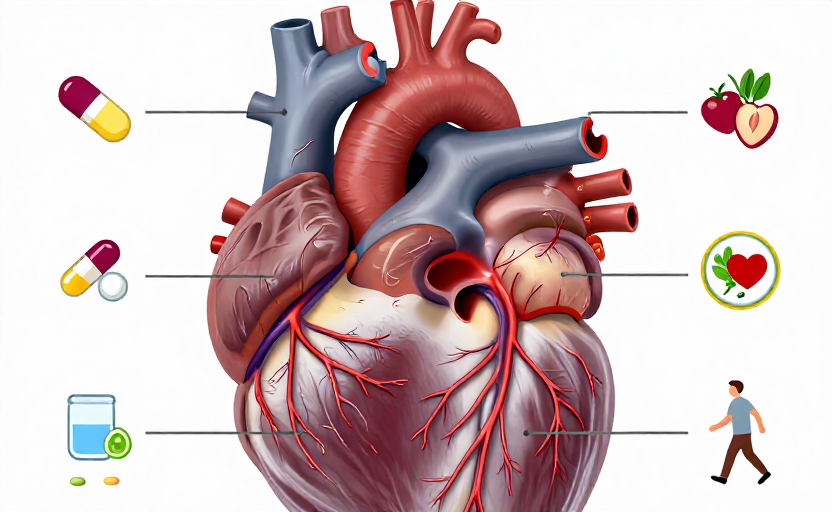
The foundation of nonsurgical care is regular monitoring and medication. Your cardiologist will likely schedule periodic echocardiograms to track valve function, chamber size, and heart muscle strength. Medications help manage symptoms and reduce the workload on your heart:
- Diuretics to control fluid buildup and ease shortness of breath.
- Beta-blockers or calcium channel blockers to regulate heart rate and lower blood pressure.
- Anticoagulants (blood thinners) if you have a valve that is prone to clot formation, such as a mitral valve with stenosis or a mechanical valve.
These medications don't fix the valve itself, but they help your heart pump more efficiently despite the extra strain. It's a balancing act—your doctor adjusts doses based on how you feel and your test results.
Can lifestyle changes really make a difference?
Absolutely. While lifestyle changes won't reverse structural valve damage, they can significantly reduce symptoms and slow disease progression. The goal is to lower your heart's overall workload.
Heart-smart nutrition
A diet low in sodium is critical for valve patients. Excess salt leads to fluid retention, which can worsen shortness of breath and leg swelling. Aim for less than 2,000 mg of sodium per day—read labels carefully, since processed foods are often loaded with hidden salt. Focus on whole foods: vegetables, fruits, lean proteins, and whole grains. If you have high blood pressure or fluid buildup, your doctor might recommend even stricter limits.
Staying active—the right way
Exercise helps maintain cardiovascular fitness, but the type and intensity matter. For most stable valve conditions, moderate aerobic activity is safe and beneficial. Think brisk walking, cycling on flat terrain, or swimming. Avoid heavy weightlifting or breath-holding exercises that spike blood pressure suddenly. Always check with your cardiologist before starting a new routine—especially if you have aortic stenosis or severe regurgitation.
A good rule of thumb: you should be able to talk during exercise. If you can't, you're pushing too hard.
Weight and blood pressure management
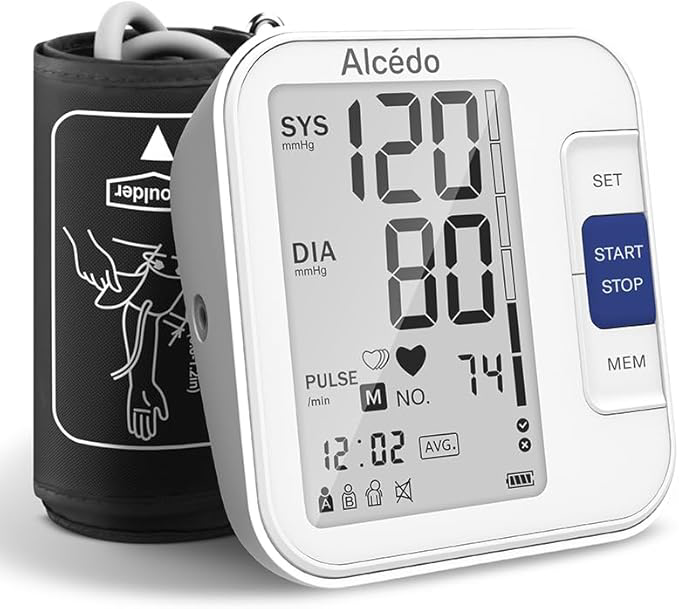
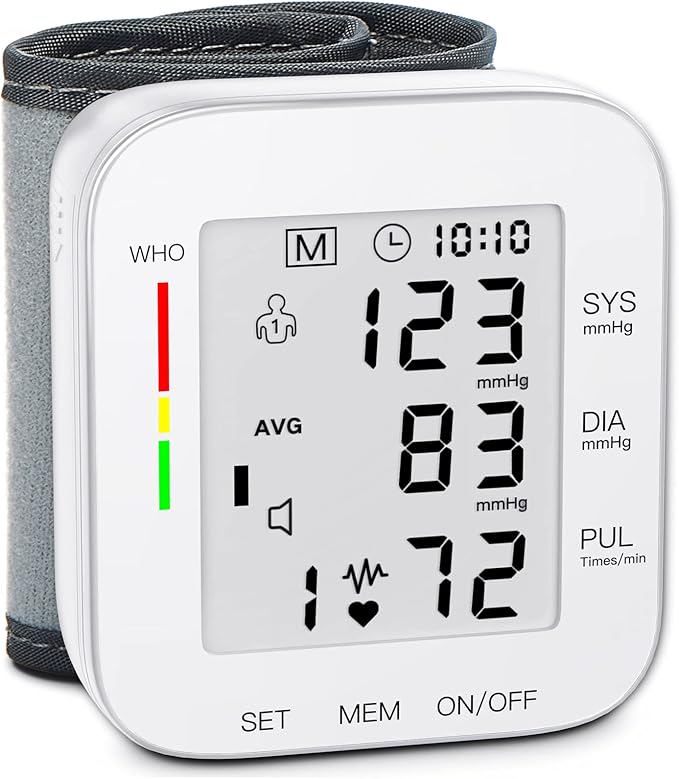
Carrying excess weight forces your heart to work harder. Even modest weight loss (5–10% of body weight) can lower blood pressure and reduce symptoms. Similarly, keeping blood pressure in a healthy range reduces the back pressure against a leaky valve or the stress across a narrowed one.
What about nonsurgical procedures?
For some patients, minimally invasive techniques have opened a third path between medication and open-heart surgery. These procedures are typically reserved for higher-risk patients, but they're worth knowing about:
- Transcatheter aortic valve replacement (TAVR) – A new valve is threaded through a catheter to the heart, replacing the diseased aortic valve without cutting open the chest. Originally for patients too frail for surgery, TAVR is now used in lower-risk groups as well.
- MitraClip – A clip is guided through a vein to the heart to repair a leaking mitral valve. It's less invasive than standard mitral repair and can improve symptoms quickly.
- Balloon valvuloplasty – A balloon is inflated inside a narrowed valve to widen it. This is usually a temporary fix, more common for mitral stenosis in younger patients or as a bridge before a more permanent solution.
These aren't one-size-fits-all. Your eligibility depends on the specific valve involved, the severity of the problem, and your overall health. Your cardiologist and a heart team will discuss whether you're a candidate.
When should I speak up about changes?
Tracking how you feel day-to-day is a powerful tool. Notify your doctor if you notice:
- Increased shortness of breath with normal activity
- New or worsening swelling in your ankles, feet, or belly
- Unusual fatigue or lightheadedness
- Rapid or irregular heartbeat
- Chest pain or pressure
These aren't signs you've failed at conservative management—they're signals that your treatment plan may need adjustment. Sometimes a simple medication change or a diuretic boost can get you back on track.
How often should I follow up?
Frequency varies by valve type and severity. Many people with mild mitral regurgitation or bicuspid aortic valve without significant narrowing can see their cardiologist once a year, with an echo every one to three years. More advanced cases may require visits every 6 to 12 months. Your care team will set a schedule tailored to you.
Managing a heart valve issue without surgery is an active process—not a passive waiting game. By staying on top of medications, making targeted lifestyle changes, and keeping regular appointments, many patients maintain good quality of life for years. The goal isn't just to delay surgery; it's to live fully and safely with the valve you have.