Bringing a new baby home is a time of joy, exhaustion, and incredible adjustment. Amidst the sleepless nights and endless feedings, it is easy to dismiss a lingering headache or some unusual swelling as just another part of postpartum life. However, for a small but significant number of new mothers, these symptoms can signal something far more serious: postpartum preeclampsia.
This condition, characterized by high blood pressure and potential organ damage, can develop even in women who had perfectly normal pregnancies. The good news is that knowing what to look for empowers you to act fast. Here is the expert-backed advice on spotting the early warning signs and protecting your health in the critical weeks after delivery.
What Exactly Is Postpartum Preeclampsia?
Postpartum preeclampsia is a serious condition that occurs when a new mother develops high blood pressure and elevated protein levels in her urine (or other signs of organ damage) after giving birth. While it most often appears within 48 hours of delivery, it can strike up to six weeks postpartum. Unlike preeclampsia during pregnancy, which is closely monitored by doctors, postpartum preeclampsia can be missed because a woman may no longer be having regular blood pressure checks.
If left untreated, it can lead to seizures (eclampsia) or stroke. This is why the postpartum period is medically considered the fourth trimester. Your body is still recovering, and your cardiovascular system is adjusting to the massive hormonal and physical changes of birth.
The Five Early Warning Signs You Must Not Ignore
Many postpartum symptoms can feel vague or easy to blame on lack of sleep. However, there is a distinct difference between normal postpartum fatigue and the specific signs of preeclampsia. Watch for these red flags:
1. A Headache That Won't Quit
Not just any headache. Look for a persistent, throbbing headache that does not respond to standard pain relief like acetaminophen. It may feel different from a tension headache or a migraine you have had before. Many women describe it as a constant, pounding pressure that gets worse instead of better.
2. Visual Disturbances
Changes in vision are a hallmark sign. This can include blurry vision, seeing spots or floaters, light sensitivity, or even temporary loss of vision. If you are having trouble focusing your eyes or seeing clearly, do not chalk it up to tired eyes—it is a serious neurological symptom.
3. Upper Belly Pain and Nausea
Pain in the upper right side of your abdomen, just under your ribs, is a classic sign of liver involvement. This pain is often accompanied by nausea or vomiting. Because many new moms already feel nauseous or have sore abdominal muscles, this symptom is frequently overlooked. If the pain is sharp, persistent, or located in the upper right quadrant, it warrants immediate medical attention.
4. Sudden or Severe Swelling
Some swelling in the feet and ankles is normal after pregnancy. However, rapid swelling in your face, hands, or a sudden weight gain of several pounds in a single day is not. If you wake up with puffy eyes or cannot put your rings on when you could yesterday, this signals fluid retention caused by your kidneys struggling under high blood pressure.
5. Shortness of Breath
Feeling like you cannot catch your breath, especially when lying flat, can indicate fluid in the lungs (pulmonary edema) related to preeclampsia. This is a less common but very dangerous sign. If you are breathing rapidly or feel a tightness in your chest, seek emergency care.
Remember the acronym HELLP: Some severe cases progress to HELLP syndrome (Hemolysis, Elevated Liver enzymes, Low Platelets). Symptoms overlap with preeclampsia but include extreme fatigue, bleeding gums, or nosebleeds.
Why Are You at Risk Even After a Healthy Pregnancy?
It is a common misconception that preeclampsia only happens during pregnancy. You can develop it for the first time after delivery. Risk factors include a history of preeclampsia, obesity, carrying multiples, or being over 40. However, the reality is that it can happen to anyone. The postpartum hormonal shift, along with the sudden removal of the placenta, can trigger blood pressure spikes.
When to Call Your Doctor or Go to the ER
If you have any one of the symptoms above, do not wait for a scheduled check-up. Call your OB-GYN or midwife immediately. If you cannot reach them and the symptoms persist or worsen, go to the emergency room. Do not drive yourself—ask your partner, a family member, or call 911.
When you arrive, you must tell them: “I am postpartum and I am concerned I have preeclampsia.” This gets you a blood pressure check and a urine test quickly. A blood pressure reading of 140/90 or higher on two occasions taken four hours apart is a diagnostic threshold.
Treatment Is Routine and Effective
Getting diagnosed does not mean you will be hospitalized for weeks. Postpartum preeclampsia is highly treatable. Standard care usually involves magnesium sulfate to prevent seizures and blood pressure medication to bring numbers down safely. Most women respond well to treatment and can continue breastfeeding while on these medications. Your healthcare team will help you manage the transition home with a follow-up plan to wean off medication safely.
Do Not Blame Yourself
If you are reading this and recognize these signs in yourself, please know that this is not your fault. Postpartum preeclampsia is a physiological response, not a sign that you did something wrong. The most important thing you can do today—for yourself and for your baby—is to trust your instincts and get checked. You are not being overly cautious; you are being a good advocate for your own health.
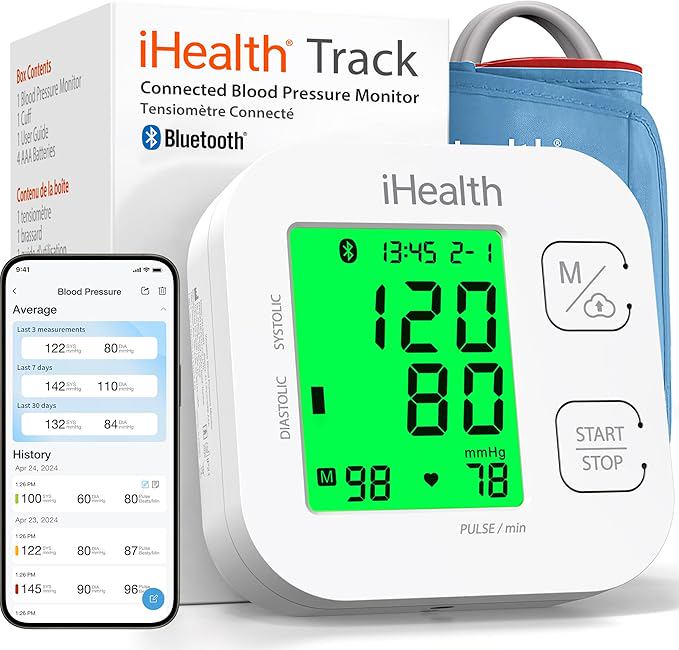
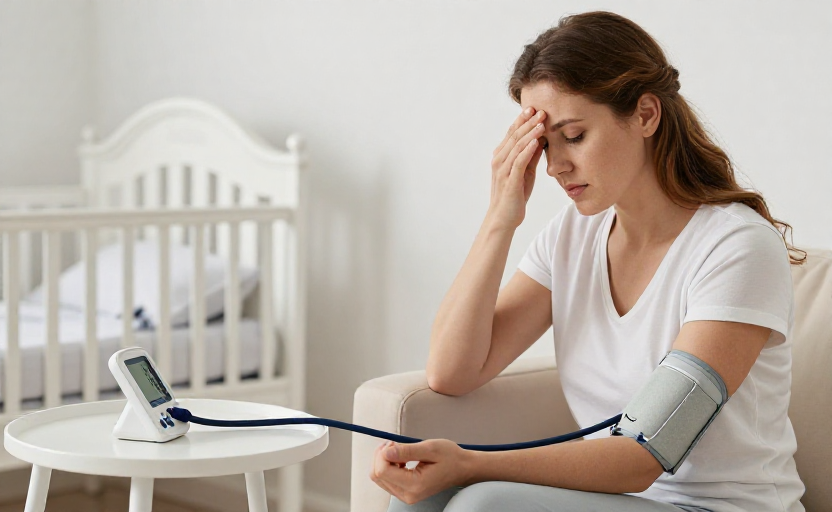
Keep a blood pressure monitor at home if you have risk factors, and write down any symptoms that feel off. Your health is the foundation of your ability to care for your newborn. Spotting the signs early is the first step in a safe recovery.