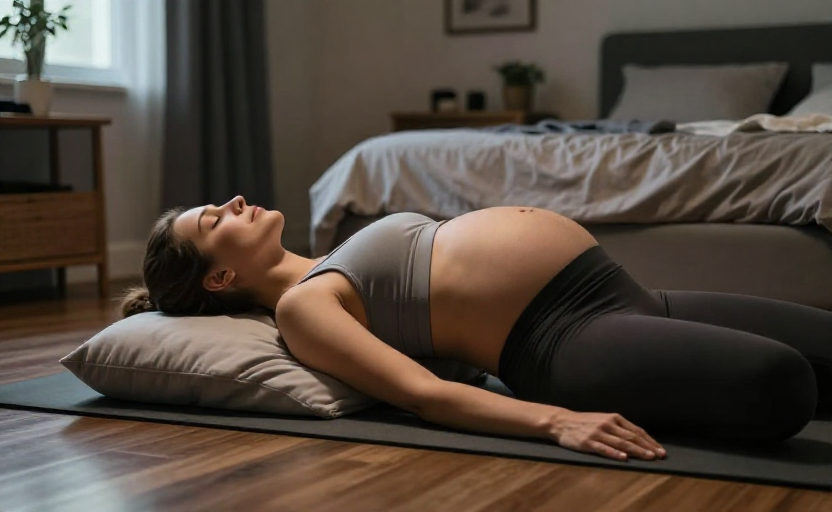
Back pain during pregnancy is one of the most common—and most frustrating—companions of the second and third trimesters. As your center of gravity shifts and your body releases relaxin to loosen joints for birth, the lower back often bears the brunt of the change. You don't have to just endure it. These four expert-backed stretches are specifically designed to be safe during pregnancy, focusing on gentle relief without putting pressure on your abdomen or compromising stability.
Why Your Back Hurts (And Why Stretching Helps)
Pregnancy back pain typically stems from a few factors. Your growing uterus shifts your posture forward, causing the lower back to arch more deeply—a state called lordosis. At the same time, the hormone relaxin loosens the ligaments that support your spine, making it easier to strain a muscle. Stretching helps by gently pulling the spine into a more neutral position, releasing tension in the glutes and hips that often refer pain to the lower back, and improving circulation to the muscles that are working overtime.
Always talk to your midwife or doctor before starting any new routine, especially if you have a condition like placenta previa, high blood pressure, or a history of early labor. The rule of thumb is simple: if a stretch causes sharp pain or deep discomfort, stop immediately.
The 4 Safe Stretches for Relief
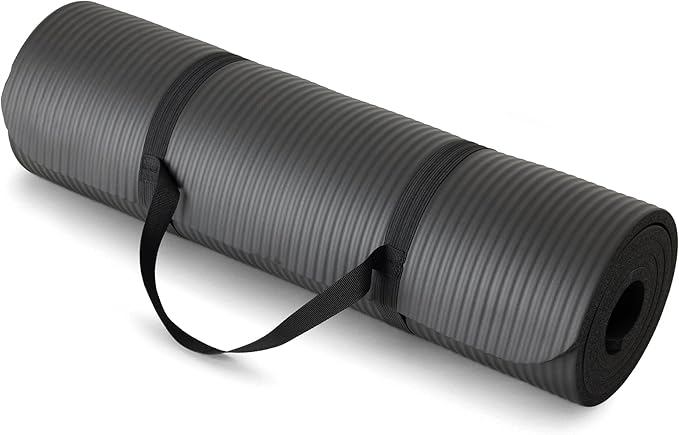
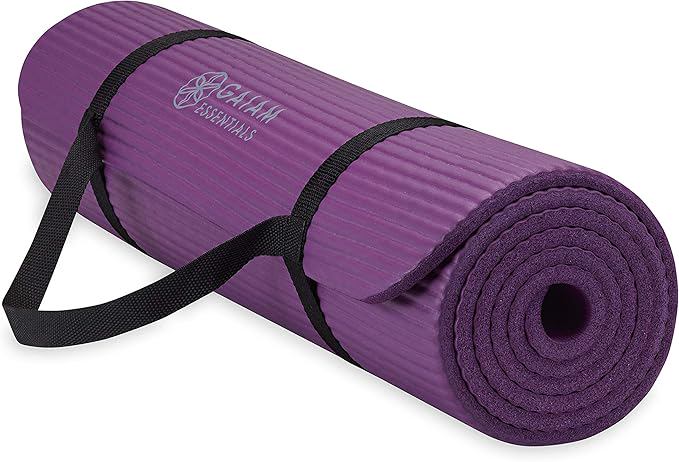
Perform these stretches on a soft, stable surface like a yoga mat or a carpeted floor. Hold each for 20–30 seconds, breathing slowly and steadily. Never bounce or force a range of motion.
1. Cat-Cow (Modified)
Start on your hands and knees, with your wrists directly under your shoulders and your knees under your hips. Keep your head in a neutral position, looking at the floor. Inhale, tuck your tailbone under and round your spine toward the ceiling like a cat—let your head drop gently. Exhale, return to a neutral spine without dipping deeply into Cow pose. The key is to avoid arching your lower back too far, which can compress the joints. Think of it as a gentle spinal rock, not a deep movement.
2. Seated Side Stretch
Sit cross-legged on a cushion to tilt your pelvis forward slightly. Inhale and reach your left arm up and over to the right, feeling a gentle lengthening along the left side of your torso. Keep your hips anchored—don't let them lift off the cushion. Hold, then switch sides. This stretch targets the quadratus lumborum muscle deep in the lower back, which often knots up during pregnancy. If sitting cross-legged is uncomfortable, sit on a chair or a bolster with your legs straight out in front of you.
3. Glute Release (Pigeon Pose Modification)
Sit on the floor with both legs extended. Bend your right knee and place your right ankle over your left knee, creating a figure-four shape with your legs. Lean forward from your hips, keeping your spine long, until you feel a stretch in the right glute and outer hip. Many pregnant women hold tension here, which directly contributes to lower back pain. For a gentler version, keep your left foot flat on the floor instead of extending it. Hold on each side for 30 seconds.
A quick safety note: Avoid any deep hip-opening stretches that cause a pulling sensation in the groin or pubic bone. That area is already loosening thanks to relaxin, and overstretching can lead to long-term instability.
4. Supported Child's Pose
Kneel on the floor with your knees wide apart, big toes touching. Place a firm pillow or a folded blanket lengthwise in front of you. Walk your hands forward onto the pillow, then lower your chest onto the support. Let your belly rest comfortably between your knees. This variation keeps the abdominal cavity open and avoids compressing the baby. Focus on relaxing your jaw and shoulders as you breathe. This is the most restorative of the four moves and is excellent for calming a racing mind as well as a sore back.
How Often Should You Stretch?
Daily stretching is ideal, but even once every other day can make a noticeable difference. Listen to your body’s energy levels—some days you may only have the bandwidth for two minutes of movement, and that is enough. Pair these stretches with a few minutes of walking or gentle swaying to keep blood flow moving.
If your back pain is accompanied by fever, vaginal bleeding, or fluid leaking, contact your provider immediately. In most cases, however, these safe stretches will bring you the relief you need to keep moving comfortably through your pregnancy.