The transition to parenthood reshapes nearly everything, including intimacy and sexuality. For many new parents, the postpartum period brings a mix of physical healing, hormonal shifts, exhaustion, and a new identity that can make sex feel like a distant memory or a complicated subject. It's a common experience, yet often left unspoken. Rather than pressuring yourself to 'bounce back' to your pre-baby sex life, experts suggest that a few intentional lifestyle adjustments can help you reconnect with your own body and your partner in a way that feels respectful of this new chapter.
1. Prioritize non-sexual touch and connection
After months (or years) of being touched out from nursing, holding a baby, and constant physical demands, the last thing many postpartum parents want is more touch—especially if it feels like it comes with an expectation for sex. A key lifestyle shift is to rebuild physical intimacy without the goal of intercourse. This might mean setting aside 10 minutes a day for a back rub, holding hands while watching a show, or simply cuddling in bed with no strings attached. This practice, sometimes called 'non-demand touch,' helps re-establish a sense of safety and pleasure in physical contact, which is often the foundation for desire to return naturally. It also communicates to your partner that closeness is valued for its own sake, not just as a prelude to sex.
2. Create space for your own body awareness
Postpartum bodies have undergone immense change. Scarring, pelvic floor weakness, dryness from breastfeeding hormones, and shifts in sensation can all affect how sex feels. One of the most empowering lifestyle adjustments is to carve out time for self-exploration—alone, without pressure. This could be a few minutes in the shower or before sleep to gently reacquaint yourself with your body, noticing what feels good and what doesn't. Some people find that using a small, gentle vibrator can help re-map pleasure after childbirth, as it provides controlled stimulation that can be adjusted to comfort levels. This isn't about achieving an orgasm; it's about rebuilding a positive, curious relationship with your own body. When you understand your own new responses and sensitivities, you can communicate them more clearly to a partner.
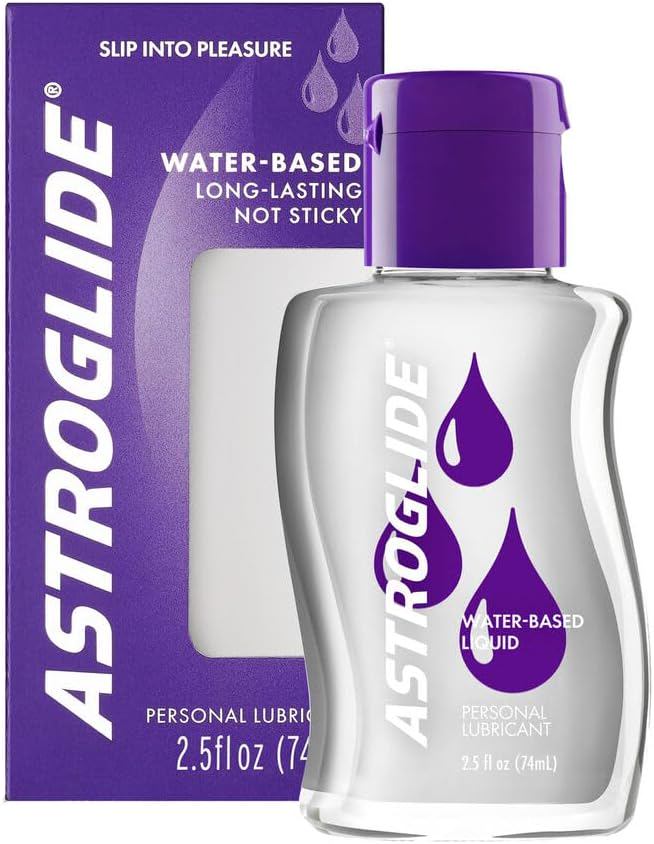
A gentle reminder: Vaginal dryness is extremely common postpartum, especially if you are breastfeeding. A high-quality, water-based or hybrid lubricant can make a significant difference in comfort. Silicone-based lubes are also an option, but avoid silicone lubricants with silicone sex toys, as they can degrade the material.
3. Talk about sleep and energy as a team
Exhaustion is the single biggest libido-killer for new parents. You cannot desire sex when your nervous system is in survival mode from chronic sleep deprivation. One practical lifestyle adjustment is to shift how you and your partner view rest. Instead of seeing sleep as something that 'steals' time from intimacy, reframe it as essential infrastructure for intimacy. Try to negotiate a weekly 'early to bed' night where you both agree to prioritize rest over chores or screen time. Even 30 extra minutes of sleep can lower cortisol and make space for feelings of closeness. In parallel, have a candid conversation about who handles the night wake-ups and how you can share the mental load of baby care. When both partners feel resourced and supported, the conditions for desire are far more likely to emerge.
Navigating postpartum sexuality is not about rushing to return to a previous version of yourself. It is about adapting to a new reality with patience, curiosity, and communication. These three lifestyle adjustments—prioritizing non-sexual touch, making time for self-body awareness, and protecting sleep as a team—are not quick fixes, but they are evidence-informed steps that respect the depth of your experience. If pain, extreme low desire, or emotional distress persist, consulting a pelvic floor physical therapist or a sex therapist who specializes in perinatal care can provide personalized support.