
Heavy menstrual bleeding, clinically known as menorrhagia, is more than just an inconvenience. For many, it's a monthly reality that can drain energy, disrupt plans, and cause significant worry. While it's crucial to consult a healthcare provider to rule out underlying conditions like fibroids, endometriosis, or hormonal imbalances, there are evidence-supported strategies you can integrate at home to help manage the flow and support your well-being alongside professional care.
Think of these approaches not as replacements for medical advice, but as supportive tools within a broader management plan. They focus on nutrition, lifestyle adjustments, and comfort measures that address the symptoms and the physical toll of heavy bleeding.
Nutritional Support for Heavy Menstrual Bleeding
What you eat can play a role in managing inflammation and supporting your body's needs during a heavy cycle. The goal isn't to stop bleeding with food, but to replenish what's lost and promote overall balance.
Focus on Iron-Rich Foods
Heavy bleeding is a primary cause of iron-deficiency anemia, leading to profound fatigue, paleness, and shortness of breath. Prioritizing iron in your diet is essential.
- Heme Iron (Easily absorbed): Found in red meat, poultry, and fish like salmon.
- Non-Heme Iron: Found in plant sources like lentils, spinach, tofu, and fortified cereals. Pairing these with a source of vitamin C (like bell peppers or citrus) can significantly boost absorption.
If you suspect anemia, a simple blood test from your doctor can confirm it and guide your nutritional and supplemental needs.
Foods That May Help with Inflammation and Clotting
Some research suggests certain nutrients can support healthy coagulation and reduce inflammatory prostaglandins, which can contribute to heavier flow.
Omega-3 fatty acids, found in fatty fish, flaxseeds, and walnuts, have natural anti-inflammatory properties. Vitamin K, crucial for blood clotting, is abundant in leafy greens like kale, spinach, and broccoli. Incorporating these foods throughout your cycle, not just during your period, can be beneficial.
Lifestyle and Comfort Measures
Beyond the plate, daily habits and simple comforts can make a tangible difference in how you experience a heavy period.
Gentle Movement and Rest
While intense exercise might feel overwhelming, gentle movement like walking, yoga, or stretching can improve circulation and ease cramping. Listen to your body. Equally important is honoring your need for rest. Heavy bleeding is physically demanding; allowing yourself to slow down is not indulgence, it's necessary recovery.
Heat Therapy for Cramp Management
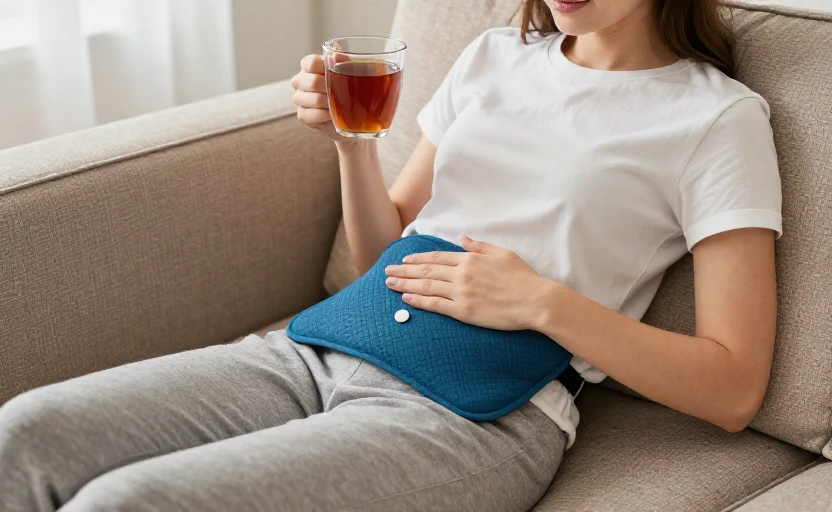
Heat is a time-tested, drug-free method for relaxing uterine muscles and alleviating pain. A simple heating pad or hot water bottle placed on your lower abdomen can provide significant relief from the cramps that often accompany heavy flow.
Mindful Tracking
Keeping a simple log of your cycles can provide powerful insights for you and your doctor. Note the duration of your period, the heaviness of flow (perhaps by counting how often you change protection), and any associated symptoms like pain or fatigue. This data creates a clear picture over time, moving the conversation from "my periods are bad" to specific, actionable information.
Understanding When to Seek Immediate Medical Care
Home management is for support, not for emergencies. It's vital to recognize signs that require prompt medical attention. Contact your healthcare provider if you experience:
- Soaking through a pad or tampon every hour for several consecutive hours.
- Needing to use double protection (like a tampon and a pad) to control flow.
- Bleeding that lasts longer than seven days.
- Passing large clots (the size of a quarter or larger).
- Symptoms of anemia, such as extreme fatigue, dizziness, or a racing heart.
These strategies are about empowerment within a framework of care. By nourishing your body, adjusting your routine, and tuning into its signals, you can navigate heavy menstrual periods with greater comfort and confidence while working with your doctor to address the root cause.