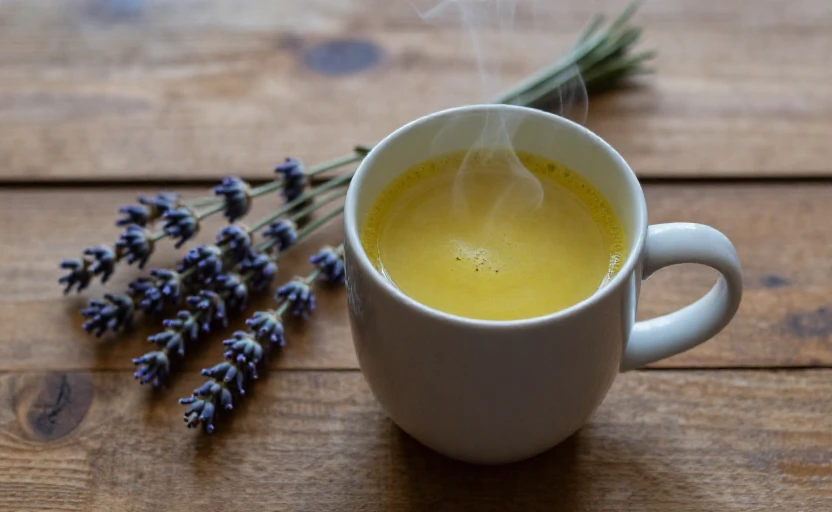
After a day that feels like it’s been moving at a hundred miles an hour, the transition from work mode to rest mode can be surprisingly difficult. Your mind might still be racing with unfinished tasks, and your body could be holding onto the day’s tension. What you choose to sip on in those first quiet hours of the evening can be a gentle, intentional signal to your nervous system that it’s time to shift gears.
This isn’t about finding a magic potion, but about understanding how certain ingredients interact with our physiology to promote a sense of calm. The ritual of preparing a warm, fragrant drink itself is a form of mindfulness—a small act of care that marks the boundary between a demanding day and a peaceful night.
How Do Certain Drinks Promote Relaxation?
The connection between what we drink and how we feel isn’t just psychological, though that plays a significant role. Specific compounds in herbs and foods can have a direct, mild modulating effect on our stress response systems. They often work by supporting the body’s own relaxation pathways, such as encouraging the production of calming neurotransmitters like GABA or gently easing muscular tension.
Think of these drinks not as sedatives, but as gentle invitations for your body and mind to unwind.
It’s also crucial to consider what you might be avoiding. Reaching for a high-caffeine coffee or an alcoholic nightcap might seem tempting, but both can interfere with sleep quality and may ultimately heighten anxiety. The goal here is sustainable calm, not a quick fix that leads to a rebound.
Warm and Soothing Classics
There’s a timeless comfort in a warm mug, and for good reason. The heat can be physically soothing, and the aromas engage our senses in a way that cool drinks often don’t.
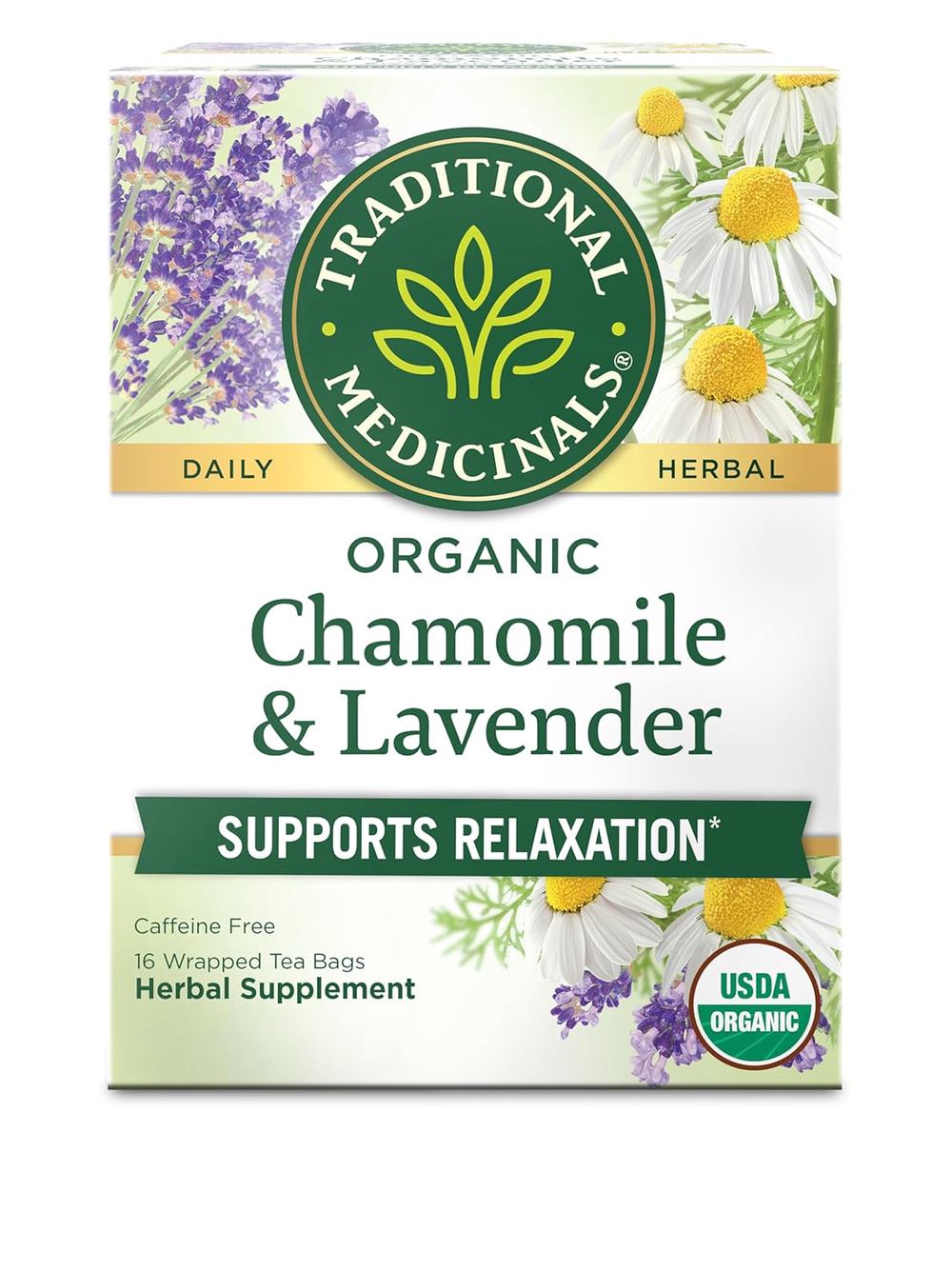
Chamomile tea is the quintessential relaxant for a reason. Its subtle, apple-like flavor comes from compounds that may bind to the same brain receptors as mild sedatives, promoting drowsiness and reducing anxiety. It’s a gentle, time-tested choice for quieting a busy mind.
Warm milk with a dash of honey and spice isn’t just an old wives’ tale. Milk contains tryptophan, an amino acid involved in serotonin production. When combined with the comforting ritual and the gentle sweetness, it can trigger positive childhood associations of safety and comfort, which in itself is powerfully relaxing. Adding a pinch of nutmeg or cinnamon introduces warming aromatics that enhance the experience.
Decaffeinated chai offers the complex, spicy warmth of traditional chai without the stimulating kick of caffeine. Blends with ginger, cardamom, and cloves feel nourishing and grounding, making them perfect for a cozy evening.
Herbal Infusions for a Quiet Mind
Beyond chamomile, the herbal world offers a rich apothecary of relaxing options. These are best enjoyed as simple infusions, steeping the dried herbs in hot water to draw out their beneficial properties.
Lavender tea has a distinctive floral aroma that is clinically shown to have anxiolytic effects. Inhaling its scent while you sip can slow heart rate and lower blood pressure. A little goes a long way—it should be fragrant, not perfumy.
Lemon balm tea has a bright, lemony flavor and a long history of use for easing nervous tension and restlessness. Research suggests it can improve mood and promote a sense of calm alertness, making it ideal for when you’re mentally fatigued but physically wired.
Passionflower tea has a more earthy, vegetal taste. It’s traditionally used to quiet obsessive thinking and nervousness, with some studies indicating it can be as effective as certain anti-anxiety medications for mild cases, though it works gently and is best used consistently.
Simple, Nourishing Nighttime Tonics
Sometimes, relaxation comes from addressing a physical need, like hydration or a nutrient gap exacerbated by stress.
Tart cherry juice (unsweetened) is a natural source of melatonin, the hormone that regulates sleep-wake cycles. A small glass in the evening may help gently nudge your body toward its natural sleep timing. Its tart flavor is also distinctly separate from daytime drinks, reinforcing the evening ritual.
A warm magnesium-rich beverage can be deeply helpful. Magnesium is a mineral depleted by stress and crucial for muscle relaxation and nervous system function. You can find powdered magnesium supplements designed to mix into warm water, often flavored with lemon or berry. Alternatively, a cup of hot cocoa made with high-quality, low-sugar cocoa powder provides a modest amount of magnesium along with comforting flavonoids.
Golden milk, or turmeric latte, combines warm milk (dairy or plant-based) with turmeric, black pepper, and other spices like ginger and cinnamon. Turmeric contains curcumin, which has anti-inflammatory properties. Chronic stress can create a low-grade inflammatory response in the body, so this drink works on a foundational level. The fat in the milk and the black pepper enhance the absorption of curcumin.
Creating Your Evening Ritual
The preparation is part of the medicine. The act of boiling water, selecting a mug, and waiting for the tea to steep forces a pause. Try to make this time a small sanctuary.
- Prepare your drink mindfully, focusing on the sounds and smells.
- Step away from all screens. Let this be a digital sunset.
- Sip slowly, perhaps while sitting by a window, reading a book, or simply listening to the quiet.
- Pay attention to the sensations: the warmth of the mug in your hands, the flavor on your tongue, the feeling of the liquid traveling down your throat.
This ten-minute ritual can act as a powerful buffer, training your brain to associate this specific time and action with de-escalation. Over time, the very act of putting the kettle on can begin to trigger a physiological sigh of relief.
A Note on What to Avoid
While exploring what to add, it’s wise to be mindful of what might counteract your efforts. Alcohol, while initially sedating, disrupts sleep architecture and can increase nighttime awakenings. Sugary drinks can cause blood sugar spikes and crashes that may provoke anxiety. And of course, caffeine in the late afternoon or evening can linger in your system for hours, blocking adenosine receptors and making true relaxation elusive.
Listen to your body. One person’s perfect cup of passionflower might be another person’s odd-tasting brew. The best evening drink is one you enjoy enough to make a consistent part of your wind-down routine. It’s a simple, accessible tool—a way to hold a small moment of peace at the end of a demanding day.