
Pelvic floor health often feels like a private topic, but it affects daily life in ways that go far beyond the doctor's office. Whether you are managing postpartum recovery, navigating menopause, or simply want to prevent issues down the road, the food on your plate plays a supporting role. The pelvic floor is a group of muscles and connective tissues that hold your bladder, bowel, and uterus in place. When these muscles are weak or overly tight, you may experience incontinence, pelvic pain, or pressure. The right meals can help those muscles stay resilient and comfortable.
This isn't about a restrictive diet. It is about choosing foods that reduce inflammation, support collagen production, and keep bowel movements regular so you aren't straining on the toilet. Here are the meal strategies and ingredients that dietitians recommend most often for pelvic floor support.
Why Diet Matters for the Pelvic Floor
The pelvic floor is made of muscle and connective tissue. For muscles to stay strong and flexible, they need adequate protein, healthy fats, and minerals like magnesium. Connective tissue relies on vitamin C and copper to build collagen, which gives the pelvic floor its structure and elasticity. Beyond that, the digestive system sits right on top of the pelvic floor. If you are constipated, you bear down harder, putting excess pressure on those muscles. If you have chronic diarrhea or bloating, the repeated urgency can also strain the pelvic floor.
A calm gut supports a calm pelvic floor. Focusing on fiber, hydration, and anti-inflammatory foods can ease both constipation and diarrhea while nourishing the muscles themselves.
Best Foods for Pelvic Floor Support
High-Fiber Fruits and Vegetables
Fiber is essential for soft, regular stools. When you strain to pass hard stool, you put dangerous downward pressure on the pelvic floor. Aim for a mix of soluble and insoluble fiber. Soluble fiber (found in oats, apples, carrots, and psyllium) helps bulk up stool gently. Insoluble fiber (found in leafy greens, broccoli, and whole grains) helps move food through your system. Eating a variety of colorful produce also provides antioxidants that reduce systemic inflammation.
Lean Protein for Muscle Repair
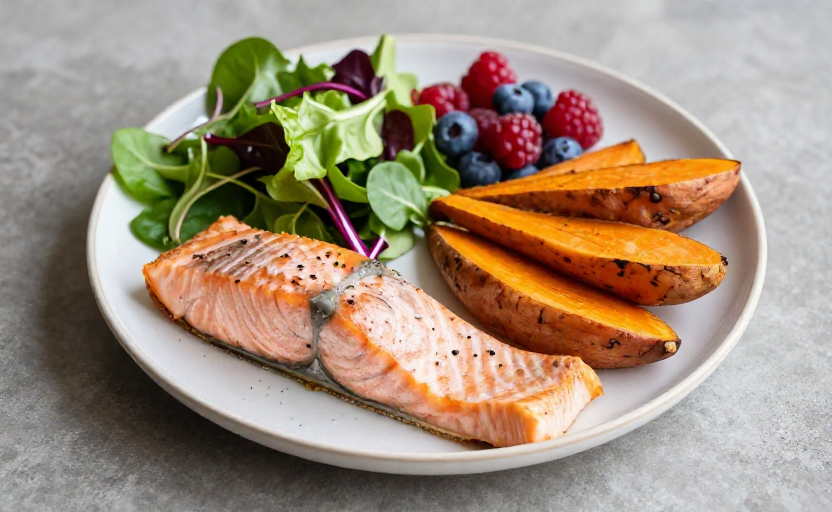
The pelvic floor muscles, like any other muscles in your body, need adequate protein to repair and maintain strength. Lean sources such as chicken, turkey, fish, eggs, tofu, and legumes are excellent choices. Omega-3 fatty acids found in salmon, mackerel, sardines, and flaxseeds have anti-inflammatory properties that may help ease pelvic pain associated with conditions like endometriosis or pelvic congestion.
Magnesium-Rich Foods
Magnesium is a mineral that helps muscles relax. This is especially important if your pelvic floor is hypertonic (overly tight), which can cause pain or difficulty emptying the bladder or bowel. Pumpkin seeds, almonds, spinach, black beans, and bananas are all good sources. One small study suggested that magnesium supplementation improved symptoms of constipation and pelvic tension, but getting magnesium from food is a safe first step.
Hydration
Water is the single most important element for pelvic floor comfort. Without enough fluid, fiber cannot do its job, and stool becomes dry and difficult to pass. General recommendations hover around 8 to 10 cups of water per day, but your needs may vary based on activity level and climate. Herbal teas and water-rich fruits (like cucumber and watermelon) also count.
Foods Rich in Vitamin C and Copper
Collagen production relies on vitamin C and copper. Good sources of vitamin C include citrus fruits, bell peppers, strawberries, and kiwi. Copper is found in organ meats, shellfish, nuts, seeds, and dark chocolate. Including these nutrients in your diet may help maintain the integrity of the connective tissue that anchors the pelvic organs.
Sample Meal Ideas for Pelvic Floor Health
These meal ideas combine the nutrients mentioned above. They are designed to be adaptable for various dietary preferences.
- Breakfast: Oatmeal made with rolled oats, topped with sliced banana, a handful of pumpkin seeds, and a drizzle of flax oil. This meal is rich in soluble fiber, magnesium, and omega-3s.
- Lunch: Spinach salad with grilled salmon, sliced strawberries, slivered almonds, and a lemon-tahini dressing. This gives you vitamin C, omega-3s, magnesium, and copper.
- Snack: Apple slices with a tablespoon of almond butter. Quick fiber and healthy fats that keep blood sugar stable.
- Dinner: Roasted chicken breast with a side of steamed broccoli and a small sweet potato. The chicken provides lean protein, and the broccoli supplies fiber and vitamin C. The sweet potato adds fiber and beta-carotene.
Foods to Limit or Avoid for Pelvic Comfort
Just as certain foods help, others can worsen pelvic floor symptoms. This does not mean you need to eliminate them forever, but cutting back may bring noticeable relief.
- Caffeine: Caffeine is a diuretic and can irritate the bladder, increasing urgency and frequency. If you have overactive bladder symptoms, try reducing coffee, black tea, and energy drinks.
- Spicy foods: Spicy meals can aggravate an already sensitive bladder in some people. Pay attention to whether hot peppers or curry trigger urgency.
- Acidic foods: Tomatoes, citrus, and vinegar may irritate the bladder lining in individuals with interstitial cystitis or chronic pelvic pain. Keep a food diary to identify personal triggers.
- Carbonated beverages: The bubbles in soda and sparkling water can cause bloating, which increases intra-abdominal pressure and puts stress on the pelvic floor.
- Artificial sweeteners: Some sugar substitutes, especially saccharin and aspartame, have been linked to bladder irritation in sensitive individuals.
Listen to your body. A food that agrees with one person may cause discomfort in another. A symptom journal can help you pinpoint personal triggers.
Putting It All Together
There is no single magic meal for pelvic floor health. Instead, a consistent pattern of eating plenty of produce, lean protein, healthy fats, and staying well hydrated forms the foundation. If you are already working with a pelvic floor physical therapist, bring these dietary strategies up at your next session. The combination of expert-guided exercise and targeted nutrition offers the best support for comfort, strength, and long-term function.