Your menstrual cycle is more than just your period. It’s a monthly rhythm of hormonal shifts that influence your energy, mood, cravings, and nutritional needs. While every woman’s experience is unique, tuning into this rhythm with thoughtful food choices can be a powerful way to support your body’s natural processes. This isn’t about restrictive dieting; it’s about nourishing yourself strategically to feel your best from one phase to the next.
Here, we’ll walk through a dietitian-recommended approach to eating across the four main phases of your cycle. Think of it as a framework for intuitive, supportive eating, not a rigid prescription.
Understanding the Four Phases of Your Cycle
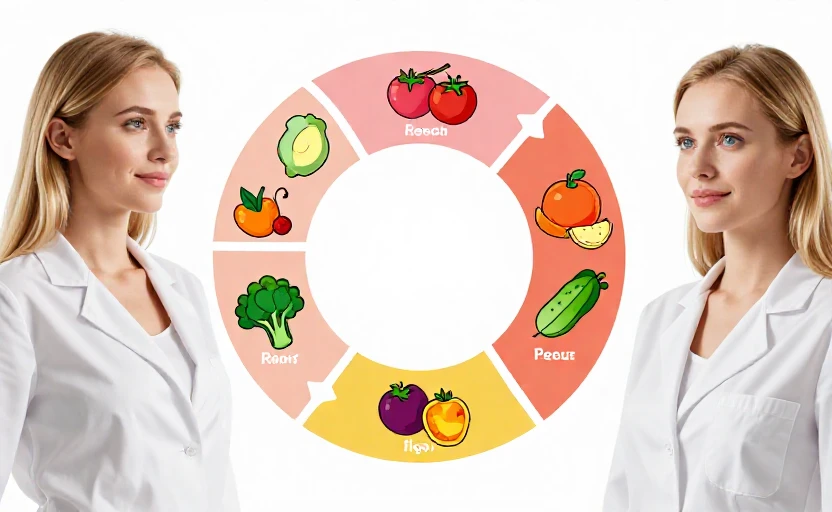
Before we talk about food, it helps to understand the landscape. The menstrual cycle is typically divided into four phases, each governed by different hormonal profiles:
- Menstrual Phase (Days 1–5): Your period. Estrogen and progesterone are at their lowest.
- Follicular Phase (Days 6–14): After your period ends, estrogen begins to rise steadily, preparing the body for ovulation.
- Ovulatory Phase (Days 15–17, approximately): Estrogen peaks, triggering the release of an egg. Testosterone also has a slight rise.
- Luteal Phase (Days 18–28, approximately): Progesterone rises to support a potential pregnancy. If conception doesn’t occur, both progesterone and estrogen fall, leading back to menstruation.
These hormonal fluctuations directly impact your metabolism, nutrient stores, and how you feel. Aligning your eating patterns with them is a form of gentle, proactive self-care.
Phase 1: Menstrual Phase – Nourish and Replenish
This is a time for rest and restoration. With iron loss through blood and often lower energy, focus on replenishing nutrients and choosing comforting, easy-to-digest foods.
Key Nutritional Goals: Support iron stores, reduce inflammation that can worsen cramps, and include magnesium-rich foods to help relax muscles.
Dietitian-Recommended Patterns:
- Prioritize Iron: Incorporate both heme iron (more easily absorbed) from sources like lean red meat or poultry, and plant-based non-heme iron from lentils, spinach, and tofu. Pair plant-based iron with a source of vitamin C (like bell peppers or citrus) to enhance absorption.
- Choose Anti-Inflammatory Fats: Omega-3 fatty acids can help modulate prostaglandins, which are involved in menstrual cramps. Include fatty fish (salmon, sardines), walnuts, chia seeds, and flaxseeds.
- Embrace Magnesium: This mineral is a natural muscle relaxant. Find it in dark leafy greens, pumpkin seeds, almonds, black beans, and dark chocolate (70% or higher).
- Opt for Warm, Cooked Meals: Soups, stews, and steamed vegetables can be easier on the digestive system and feel more soothing than large, cold salads.
Listen to your body’s cues for rest. Gentle nutrition here is about replenishment, not deprivation.
Phase 2: Follicular Phase – Light and Energetic
As estrogen rises, you’ll likely notice a natural return of energy. This is a great time for lighter meals that support detoxification pathways and provide clean fuel for more active days.
Key Nutritional Goals: Support the body’s natural estrogen metabolism with fiber and cruciferous vegetables, and focus on fresh, vibrant foods.
Dietitian-Recommended Patterns:
- Load Up on Fiber: A mix of soluble and insoluble fiber from vegetables, fruits, whole grains, and legumes helps bind and excrete excess hormones. Think berries, oats, broccoli, and apples.
- Include Cruciferous Veggies: Broccoli, cauliflower, kale, Brussels sprouts, and cabbage contain compounds like indole-3-carbinol that support healthy estrogen metabolism. Enjoy them raw, lightly steamed, or roasted.
- Focus on Lean Proteins & Complex Carbs: Support steady energy and muscle repair with chicken, fish, eggs, lentils, quinoa, and sweet potatoes. Your body is primed to utilize carbohydrates well during this phase.
- Stay Hydrated with Infused Waters: Support cellular renewal and digestion with plenty of water. Add slices of cucumber, lemon, or mint for a refreshing twist.
Phase 3: Ovulatory Phase – Vibrant and Balanced
This short window around ovulation is when estrogen and testosterone peak. Energy is often high, and you may feel most social and vibrant. Nutrition can focus on supporting this peak function.
Key Nutritional Goals: Provide high-quality fuel for potential increased activity, support liver function for hormone processing, and maintain hydration.
Dietitian-Recommended Patterns:
- Emphasize Antioxidant-Rich Foods: Colorful fruits and vegetables like berries, citrus, beets, and dark leafy greens help combat oxidative stress that can accompany hormonal shifts.
- Support Liver Health: Foods like garlic, onions, turmeric, leafy greens, and green tea contain nutrients that support the liver’s role in processing hormones.
- Maintain Balanced Meals: Aim for a plate with a good mix of protein, healthy fats, and fiber-rich carbohydrates to sustain energy levels. A salad with grilled chicken, avocado, and a variety of chopped veggies is a perfect example.
- Don’t Skip Meals: With potentially higher activity and a faster metabolism, consistent fuel is key to avoiding energy crashes.
Phase 4: Luteal Phase – Steady and Satisfying
In the week or two before your period, progesterone rises. This can increase core body temperature slightly, alter serotonin levels, and lead to more pronounced cravings. The goal is to stabilize blood sugar and mood.
Key Nutritional Goals: Manage cravings proactively, support serotonin production, and include nutrients that ease premenstrual symptoms.
Dietitian-Recommended Patterns:
- Prioritize Complex Carbohydrates & Tryptophan: The combination helps boost serotonin, the “feel-good” neurotransmitter. Think whole-grain toast with nut butter, oatmeal with pumpkin seeds, or a turkey and avocado sandwich on whole-grain bread.
- Increase Magnesium & B Vitamins: These remain crucial as they can help with mood regulation, bloating, and breast tenderness. Continue with leafy greens, nuts, seeds, and legumes. Nutritional yeast is a great source of B vitamins.
- Manage Salt Intake Naturally: To help with water retention, flavor foods with herbs, spices, lemon juice, or vinegar instead of heavy salt. Ensure you’re drinking plenty of water, as counterintuitive as it may seem—it helps the body release retained fluid.
- Honor Cravings Mindfully: If you crave chocolate, choose a square or two of high-quality dark chocolate. If you crave something crunchy, try roasted chickpeas or a small handful of nuts. Deprivation often backfires.
Small, frequent meals or snacks can be more effective than three large ones for keeping blood sugar—and mood—on an even keel during this phase.
Remember, this framework is a starting point for exploration. Track your cycle alongside your energy, hunger, and mood for a few months. You might discover you need more protein in your luteal phase or crave different foods altogether. The most important pattern is the one that makes you feel nourished, energized, and in tune with your body’s wise signals.