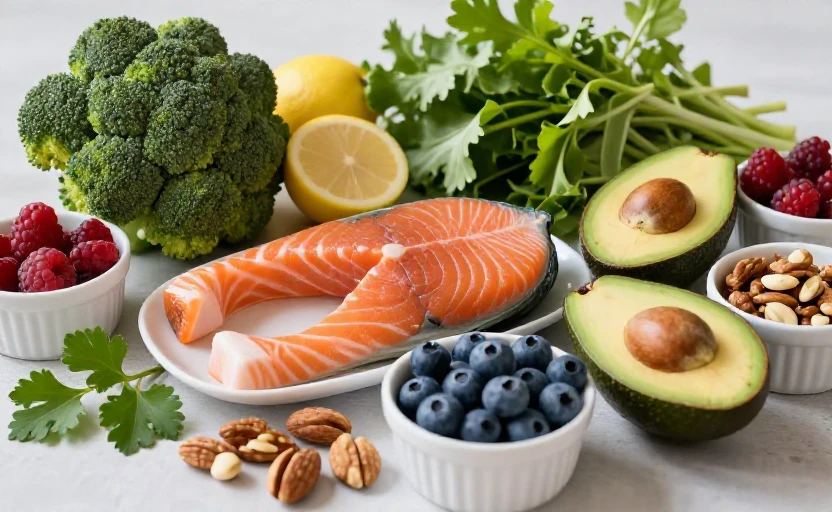
Deciding to stop hormonal birth control is a significant step, one that often comes with a mix of anticipation and questions. While your focus might be on regulating your cycle or preparing for conception, there’s a foundational piece that deserves your attention first: nourishing your body back to its natural rhythm. Hormonal contraceptives, while effective, can influence nutrient levels and your body's delicate balance. A thoughtful approach to food isn't about a restrictive diet; it's about intentional, supportive eating that helps your systems recalibrate from the inside out.
Think of it as laying the groundwork. By focusing on specific, nutrient-dense foods, you can support your liver in processing excess hormones, replenish vitamins that may have been depleted, and help stabilize your mood and energy. It’s a gentle, proactive way to care for your body during this transition.
Why Nutrition Matters After Stopping Birth Control
Hormonal birth control, whether the pill, patch, or ring, works by introducing synthetic hormones into your system. Over time, this can have subtle effects on your nutritional status. Some contraceptives may increase the excretion of certain vitamins or alter how your body utilizes them. Furthermore, your liver works overtime to metabolize and clear these hormones. When you stop, your body begins the process of re-establishing its own hormonal production—a complex dance that requires ample raw materials.
Supporting this transition with targeted nutrition can help mitigate common post-pill experiences like irregular cycles, acne flare-ups, or mood swings. It’s about providing your body with the building blocks it needs to find its equilibrium again.
Foods to Focus On: A Dietitian's Guide
Rather than a rigid list of “yes” and “no” foods, consider these categories as your nutritional priorities. Aim to include them regularly to create a diverse, supportive plate.
For Liver Support and Hormone Clearance
Your liver is the primary detoxification organ, responsible for breaking down and eliminating excess hormones. Cruciferous vegetables are its best friends.
- Broccoli, cauliflower, kale, Brussels sprouts, and cabbage contain compounds like indole-3-carbinol and sulforaphane, which enhance the liver’s detoxification pathways.
- Leafy greens like spinach and arugula provide chlorophyll and folate, further aiding the cleansing process.
- Beets and carrots support liver function with antioxidants and fiber.
A simple goal: Include at least one serving of these liver-loving vegetables daily, whether roasted, steamed, or blended into a soup.
To Replenish Key Nutrients
Certain vitamins and minerals are particularly important for hormonal health and may need replenishing.
- B Vitamins: Essential for energy, mood regulation, and liver function. Find them in whole grains (oats, quinoa), legumes (lentils, chickpeas), eggs, nuts, seeds, and leafy greens.
- Zinc: Crucial for ovulation, immune function, and skin health. Excellent sources include pumpkin seeds, cashews, chickpeas, lentils, and grass-fed beef.
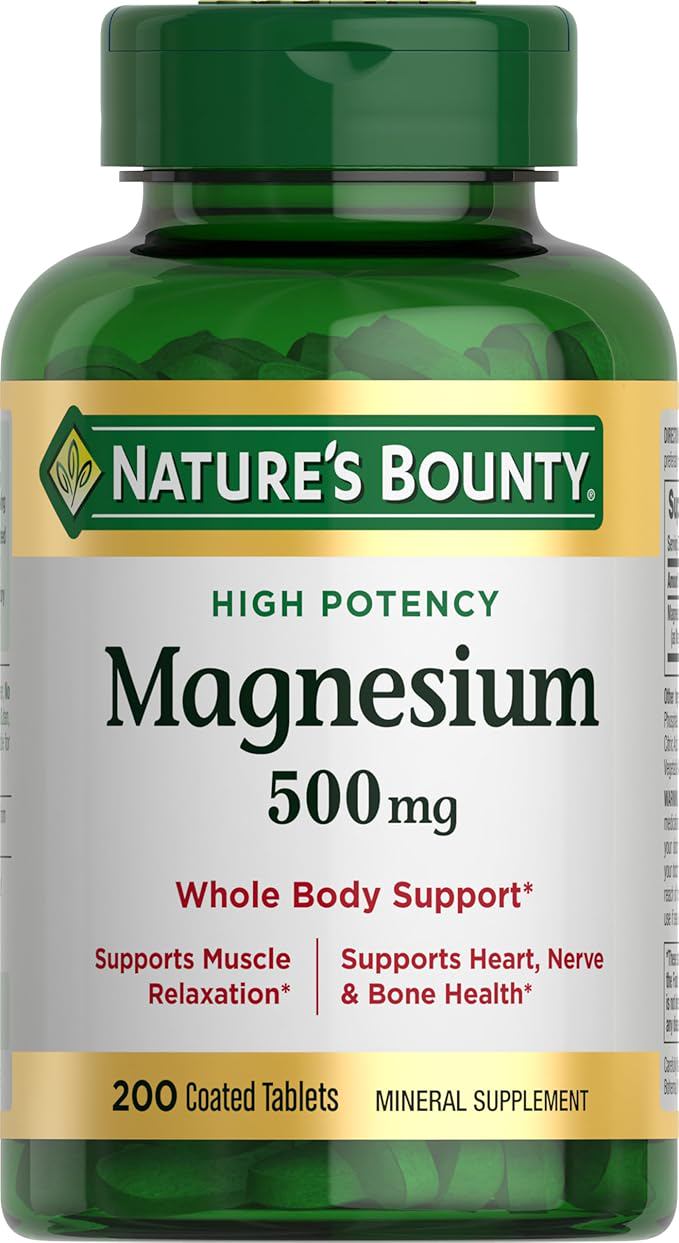
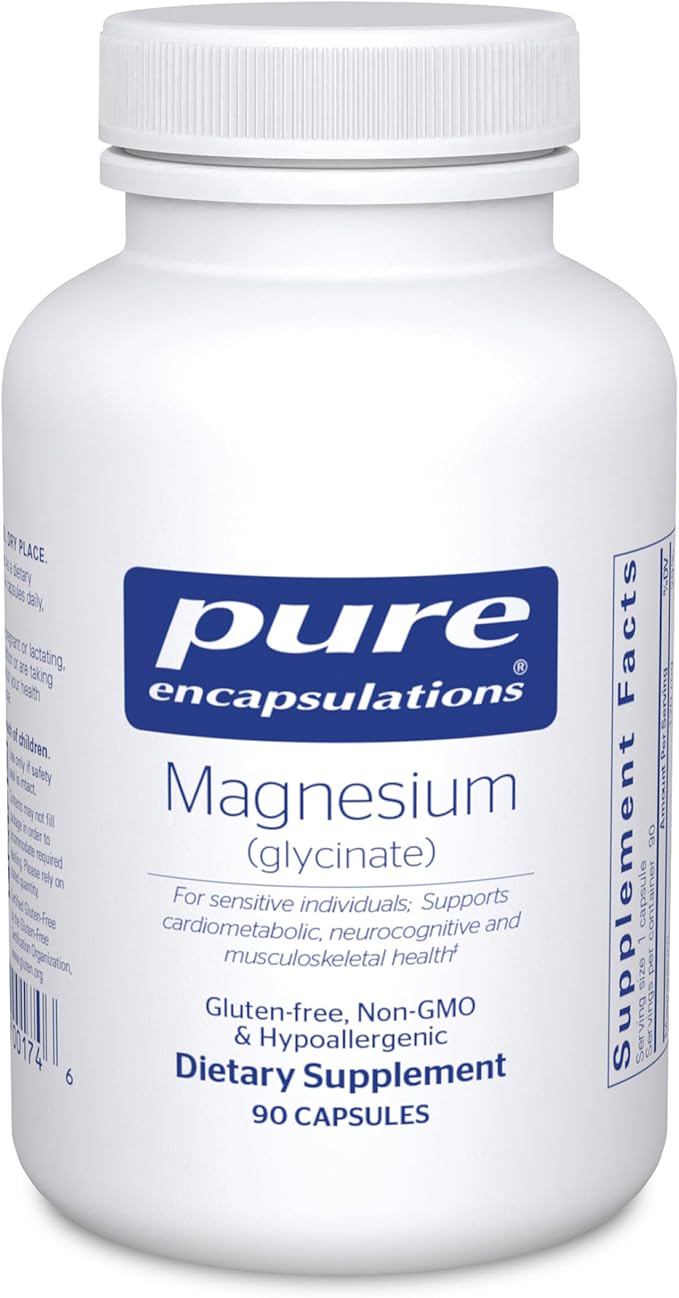
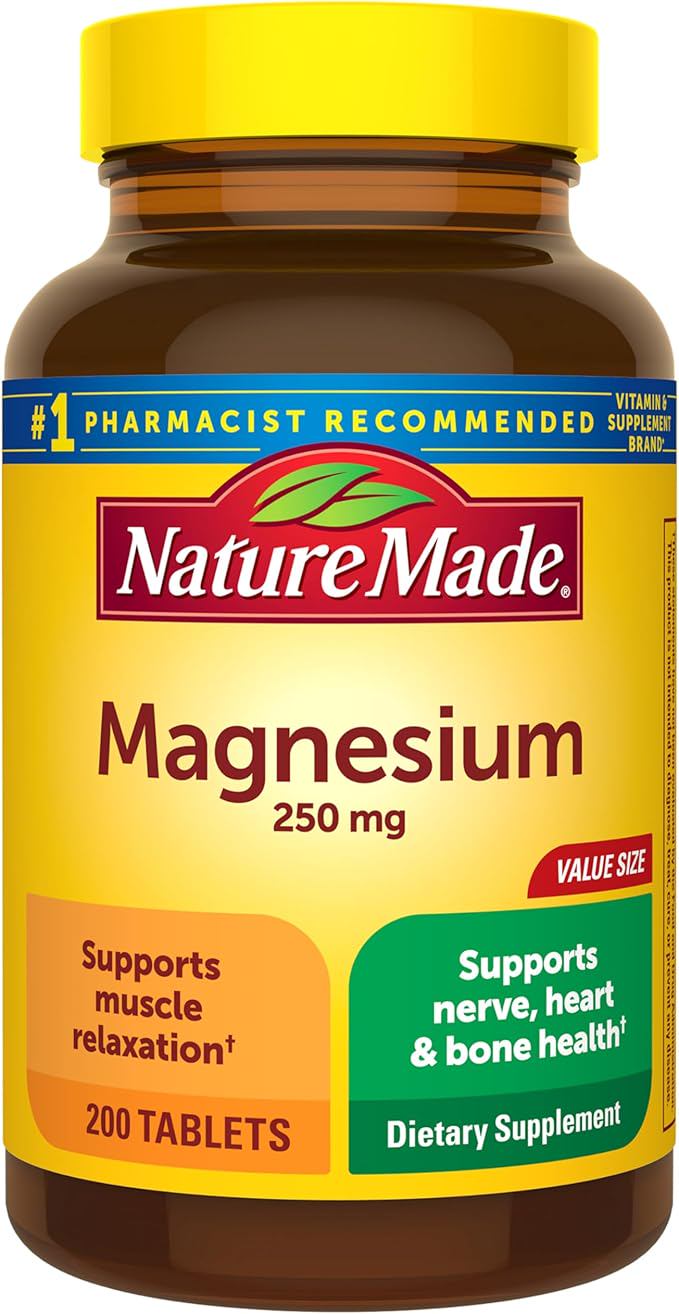
- Magnesium: A calming mineral that supports sleep, muscle function, and stress response. Load up on dark leafy greens, almonds, avocados, black beans, and bananas.
- Antioxidants (Vitamins C & E, Selenium): Combat oxidative stress. Enjoy berries, citrus fruits, sunflower seeds, Brazil nuts, and bell peppers.
For Healthy Fats and Hormone Production
Hormones are literally made from cholesterol and fat. Including high-quality fats is non-negotiable for rebuilding your hormonal foundation.
- Avocados and olives/olive oil provide monounsaturated fats.
- Fatty fish like salmon, sardines, and mackerel offer anti-inflammatory omega-3 fatty acids, vital for cellular health.
- Chia seeds, flaxseeds, and walnuts provide plant-based omega-3s (ALA).
- Coconut oil contains medium-chain triglycerides that are easily used for energy.
Building Your Plate: A Practical Approach
You don’t need to overhaul every meal at once. Start by visualizing your plate with balance in mind. Aim for:
- Half the plate as colorful, non-starchy vegetables (prioritize those cruciferous and leafy greens).
- A quarter of the plate as a quality protein source (like eggs, lentils, fish, or lean poultry).
- A quarter of the plate as a complex carbohydrate (like sweet potato, quinoa, or brown rice).
- A thumb-sized portion of healthy fats (like a drizzle of olive oil, half an avocado, or a small handful of nuts).
This framework naturally incorporates the nutrient priorities we’ve discussed. Hydration is also key—water supports every metabolic process, including hormone transport and detoxification.
Foods to Be Mindful Of
While no foods are strictly off-limits, some are best enjoyed in moderation as your body adjusts. Highly processed foods, refined sugars, and excessive caffeine can contribute to inflammation and blood sugar spikes, which may exacerbate hormonal fluctuations. Instead of focusing on restriction, think about crowding out: the more you fill your diet with the nourishing foods listed above, the less room there is for the less supportive ones.
Patience and Partnership
Nutrition is a powerful tool, but it’s one part of a holistic picture. Stress management, quality sleep, and gentle movement are equally important partners in supporting your post-birth control journey. Be patient with your body; it can take several months for cycles to regulate naturally.
Most importantly, this information is for educational support. Every person’s body and history are unique. For personalized guidance, especially if you have underlying health conditions or specific concerns, consulting with a registered dietitian or your healthcare provider is always the best step.