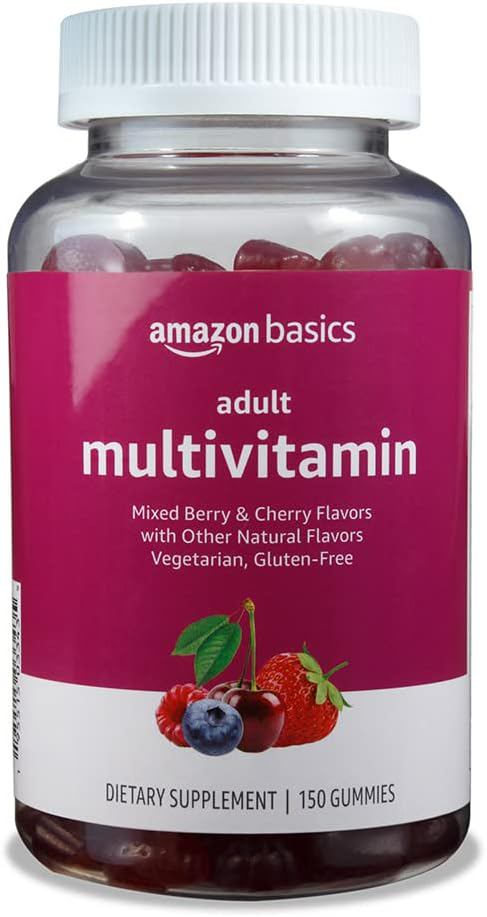
When you're navigating thyroid health, what you eat can feel like a puzzle. It's not about a single "magic" food, but rather the consistent pattern on your plate—the nutrients you gather day after day—that supports your body's delicate metabolic engine. A thoughtful meal plan becomes a form of nourishment, designed to provide the specific building blocks your thyroid needs to function and to help manage the fatigue, weight shifts, and other symptoms that can accompany imbalance.
Think of it less as a restrictive diet and more as a framework for intentional eating. The goal is to create meals that are inherently supportive, reducing the daily mental load of decision-making while ensuring you're consistently fueling your body well.
What does your thyroid need from your diet?
Your thyroid gland produces hormones that influence nearly every cell in your body. To make these hormones, it requires specific raw materials, primarily the mineral iodine. However, the story doesn't end there. Nutrients like selenium, zinc, and iron play crucial supporting roles in converting the raw hormone (T4) into its active form (T3) and protecting the thyroid gland itself.
A thyroid-supportive eating pattern focuses on adequacy—making sure you get enough of these key nutrients—and on balance, ensuring that nothing in your diet excessively interferes with their absorption or use.
The cornerstone of a thyroid-friendly plate isn't elimination; it's strategic inclusion.
Building your plate: A practical framework
Instead of a rigid, day-by-day prescription, consider this a flexible template. Each meal is an opportunity to combine foods that offer complementary benefits.
Prioritize these foundational foods
Build your meals around whole, nutrient-dense options that deliver the key players for thyroid health.
- For Iodine: Iodized salt is the most reliable source. Seaweed and seafood like cod, shrimp, and tuna also provide it, but amounts can vary widely.
- For Selenium: This antioxidant mineral is vital for hormone conversion. Brazil nuts are exceptionally rich—just one or two a day can meet your needs. Other good sources include eggs, sunflower seeds, mushrooms, and poultry.
- For Zinc and Iron: These often go hand-in-hand. Lean red meat, poultry, lentils, chickpeas, pumpkin seeds, and spinach are excellent choices. Pairing plant-based iron sources with vitamin C (like bell peppers or citrus) boosts absorption.
Understand the goitrogen conversation
You may have heard that cruciferous vegetables like broccoli, cauliflower, and kale are "bad" for the thyroid. This is an oversimplification. These vegetables contain compounds called goitrogens, which can interfere with iodine uptake if consumed in extremely high, raw amounts and alongside an iodine-deficient diet.
For most people with adequate iodine intake, these vegetables are highly beneficial foods. Cooking significantly reduces goitrogenic activity. The takeaway? Enjoy your roasted Brussels sprouts and steamed kale; they're packed with fiber and other nutrients. Just ensure your diet includes reliable iodine sources and avoid consuming liters of raw kale juice daily.
Foods to be mindful of
Some foods require a bit of timing awareness, particularly for those on thyroid medication.
- High-Fiber Foods & Supplements: While essential for gut health, taking a large fiber supplement or eating a very high-fiber meal at the exact same time as your thyroid medication can reduce its absorption. Space them apart by an hour or more.
- Calcium & Iron Supplements: Similarly, these minerals can bind with thyroid hormone in the gut. Take your medication alone with water, and wait at least 30-60 minutes before consuming supplements or calcium-fortified foods.
- Soy: The evidence is mixed, but some studies suggest very high intakes of soy isoflavones may affect hormone absorption. Moderate consumption of whole soy foods like tofu or edamame is generally considered fine for most, but it's prudent to avoid consuming it within a few hours of your medication.
Putting it together: A sample day of eating
This isn't a mandate, but an illustration of how the principles translate to real meals.
Breakfast: Two scrambled eggs with spinach and mushrooms, served with a slice of whole-grain toast. The eggs provide selenium and iodine, the vegetables offer nutrients and fiber, and the whole grains give sustained energy.
Lunch: A large salad with grilled chicken, chickpeas, roasted sweet potato, avocado, and a lemon-tahini dressing. This combines lean protein, plant-based iron and zinc, healthy fats, and vitamin C to boost iron absorption.
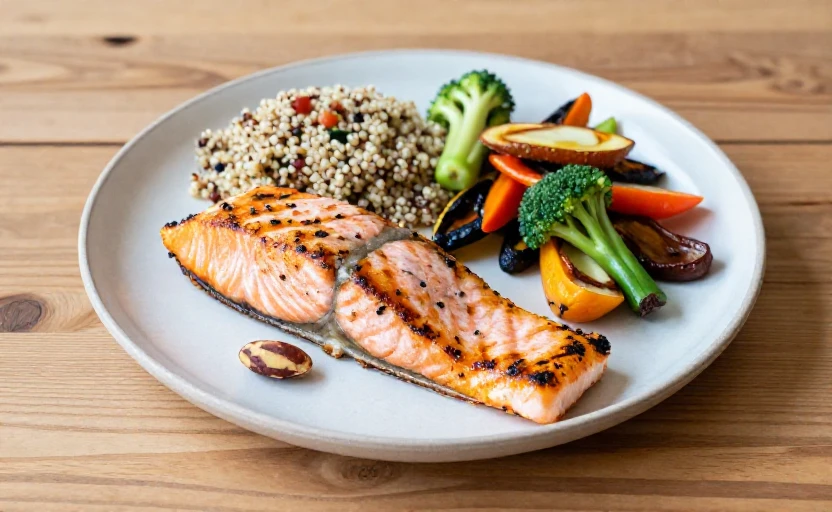
Dinner: Baked salmon with a quinoa pilaf and steamed broccoli. Salmon offers selenium and anti-inflammatory omega-3s, quinoa provides protein and minerals, and the cooked broccoli adds fiber and vitamins without concern.
Snacks: A Brazil nut with an apple, or plain Greek yogurt with a few berries.
Consistency in your eating pattern is far more powerful than perfection in any single meal.
Beyond the plate: Lifestyle synergy
Nutrition doesn't exist in a vacuum. Your meal plan works best when supported by other foundational health habits. Chronic stress can disrupt hormonal pathways, including thyroid function. Prioritizing sleep is non-negotiable, as repair and regulation happen during rest. Gentle, regular movement like walking or yoga can help manage stress, support metabolism, and combat fatigue without overtaxing the body.
Finally, remember that individual needs vary significantly. A meal plan that works for someone with Hashimoto's thyroiditis may look different from one for someone post-thyroidectomy. This is why working with a registered dietitian who specializes in thyroid disorders can be invaluable. They can help you interpret your labs, tailor these principles to your unique body and preferences, and create a sustainable, supportive relationship with food.