If you’re navigating life with Hashimoto’s, you know that energy isn’t a given. It’s something you manage, protect, and cultivate with intention. The fatigue that often accompanies this autoimmune condition can feel like a heavy blanket, making even simple tasks seem daunting. While medication manages your thyroid levels, what you eat between meals plays a crucial, supportive role in how you feel hour by hour.
The goal isn’t just to stop hunger pangs. It’s to choose snacks that provide steady, reliable fuel—avoiding the blood sugar spikes and crashes that can amplify inflammation and exhaustion. The right combination of nutrients can help soothe your system, support your metabolism, and give you a gentle, sustained lift to carry you through your day.
What makes a snack “Hashimoto’s-friendly”?
Think of your snack as a small, strategic tool for stability. The ideal choices do three things: they support balanced blood sugar, provide anti-inflammatory nutrients, and are easy on your digestive system, which can be sensitive with Hashimoto’s. This often means focusing on whole, minimally processed foods that combine protein, healthy fats, and fiber.
Protein and fats slow the absorption of carbohydrates, leading to a gradual release of energy. Fiber does the same while also feeding your gut microbiome, which is deeply linked to immune function. Meanwhile, antioxidants from colorful fruits and vegetables help combat oxidative stress, a common concern in autoimmune conditions.
Your snack is less about treating a craving and more about giving your body the steady, supportive fuel it needs to function calmly and efficiently.
Building your snack strategy
You don’t need a degree in nutrition to get this right. A helpful framework is to pair two different types of food from the categories below. This creates a more satisfying and metabolically stable mini-meal than a piece of fruit or a handful of crackers alone.
- A Protein Source: Helps with tissue repair, hormone production, and satiety. Think eggs, Greek yogurt, cottage cheese, lean poultry, fish, legumes, or a scoop of nut butter.
- A Healthy Fat: Provides long-lasting energy and aids in the absorption of fat-soluble vitamins. Avocado, olives, nuts, seeds, and olive oil are excellent choices.
- A Fiber-Rich Carb: Offers vitamins, minerals, and that steady energy release. This includes vegetables, berries, apples, pears, and whole grains like oats or quinoa.
Listen to your own body
While general guidelines are helpful, Hashimoto’s is highly individual. Some people feel better limiting gluten or dairy, while others tolerate them fine. Pay attention to how you feel after eating certain foods. Does a snack leave you energized or sluggish? Does it cause bloating or discomfort? Your personal experience is a vital piece of the puzzle. If you have significant food sensitivities, working with a registered dietitian can provide personalized guidance.
Simple, satisfying snack ideas
Here are some concrete combinations that put these principles into practice. Keep preparation simple—the goal is to make nourishing yourself easy, not another chore.
Savory Options:
- Two or three hard-boiled eggs with a sprinkle of everything bagel seasoning.
- Cucumber or bell pepper slices dipped in hummus or guacamole.
- A small can of tuna or salmon mixed with avocado mash on a few whole-grain crackers.
- A handful of olives and a few slices of turkey or chicken breast.
Sweet & Creamy Options:
- Plain Greek yogurt or coconut yogurt topped with a handful of berries and a tablespoon of pumpkin seeds.
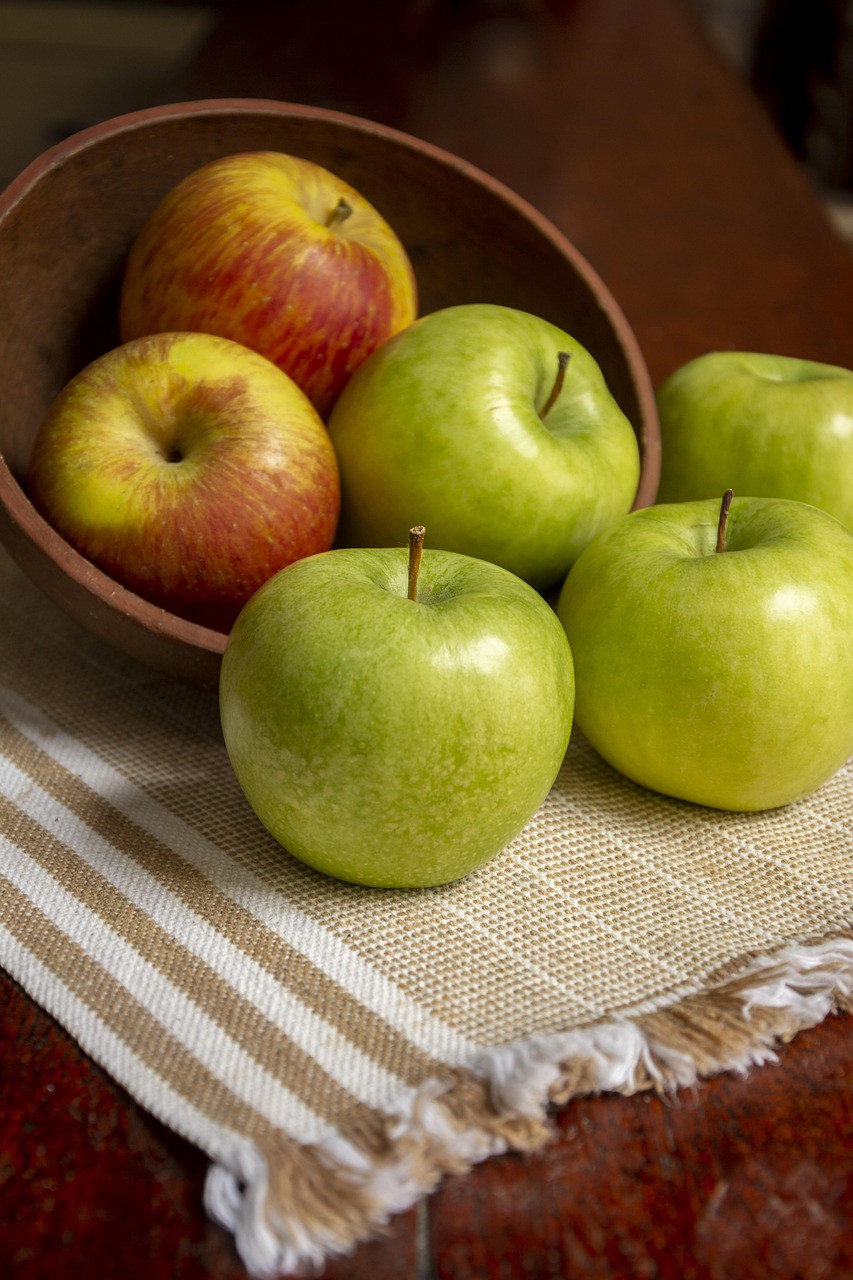
- An apple or pear sliced and spread with almond or sunflower seed butter.
- A small bowl of cottage cheese with pineapple chunks or sliced peaches.
- A date halved and stuffed with a dab of nut butter and a pecan.
Make-Ahead Bites:
- Energy balls made from oats, nut butter, chia seeds, and a touch of maple syrup.
- Mini frittatas baked in a muffin tin with spinach and diced vegetables.
- A small container of overnight chia pudding made with unsweetened milk.
Foods to approach with mindfulness
It’s not about creating a long list of forbidden foods, but about understanding how some common choices might affect your energy and inflammation. Highly processed snacks—like chips, candy bars, and sugary drinks—can cause rapid blood sugar swings, potentially worsening fatigue and brain fog. For some individuals, large amounts of raw cruciferous vegetables (like kale or broccoli) may interfere with thyroid hormone synthesis if eaten excessively, though cooking them mitigates this effect. The key is moderation and observation, not fear.
Timing and hydration matter, too
Sometimes when you think you need a snack, you might actually be thirsty. Dehydration can masquerade as fatigue. Keep a water bottle handy and sip throughout the day. As for timing, listen to your body’s signals. A mid-morning and mid-afternoon snack can often help maintain energy levels, especially if your meals are spaced more than 4-5 hours apart. The goal is to prevent that desperate, ravenous feeling, which often leads to less-than-ideal choices.
Navigating Hashimoto’s is a journey of tuning in. Let your snacks be one of the gentle, consistent ways you support your well-being, providing your body with the stable foundation it needs to thrive.