
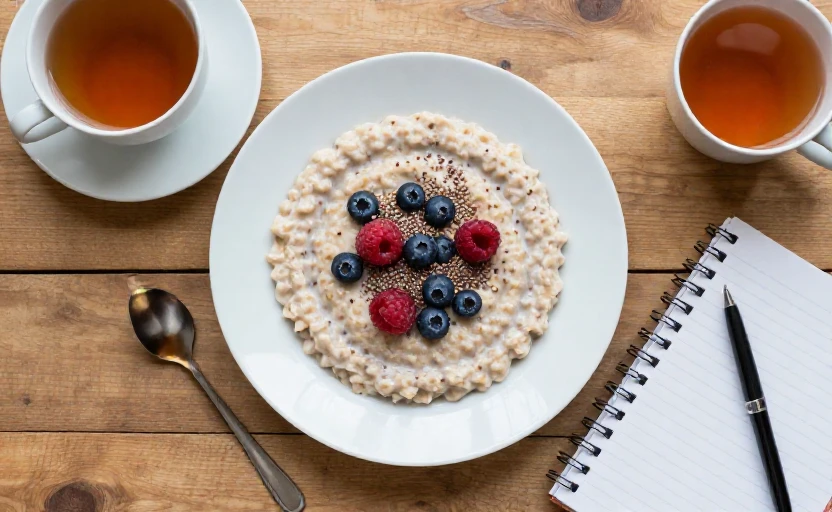
Anxiety can feel like a storm in your nervous system, and while food isn't a cure, it can be a powerful tool for steadying the ship. The right meal patterns don't just fuel your body; they provide the raw materials your brain needs to regulate mood, manage stress hormones, and maintain a sense of calm stability throughout the day. Think of it less about restrictive diets and more about building a reliable, nourishing rhythm that supports your nervous system.
When you're anxious, it's common to skip meals, reach for quick sugar hits, or lose your appetite entirely. This erratic eating can backfire, causing blood sugar crashes that mimic or worsen anxiety symptoms like shakiness, irritability, and brain fog. A structured, dietitian-approved approach aims to break that cycle, creating a foundation of nutritional stability that makes other coping strategies more effective.
What does a meal pattern do for anxiety?
A meal pattern is simply a consistent, intentional approach to when and what you eat. Its primary goal for anxiety management is blood sugar stabilization. Sharp spikes and drops in blood glucose can trigger the release of stress hormones like cortisol and adrenaline, putting your body into a physiological state that feels remarkably similar to anxiety.
Beyond blood sugar, consistent patterns ensure a steady supply of key nutrients. Your brain uses vitamins, minerals, amino acids, and healthy fats to manufacture neurotransmitters like serotonin and GABA, which are crucial for mood regulation and a calm state of mind. Missing meals or eating poorly means your brain might be running on empty, making it harder to cope with stress.
A predictable eating schedule is a form of self-care that signals safety to your nervous system.
Core principles of an anxiety-supportive eating pattern
These principles form the bedrock of any dietitian-recommended plan for managing daily anxiety through food.
Prioritize consistency. Aim to eat something within an hour or two of waking and then every 3-4 hours thereafter. This doesn't have to be three large meals; it could be three moderate meals and one or two snacks. The regularity itself is therapeutic, preventing the hunger-induced stress response.
Balance your plate. Each meal and snack should combine three key components: complex carbohydrates, protein, and healthy fat. This trio works together to slow digestion, providing a slow, steady release of energy.
- Complex Carbs: Think whole grains (oats, quinoa, brown rice), starchy vegetables (sweet potato, squash), beans, and fruits. They provide sustained energy and aid in the production of serotonin.
- Protein: Includes poultry, fish, eggs, tofu, tempeh, lentils, Greek yogurt, or nuts. Protein provides satiety and the amino acids needed for neurotransmitter function.
- Healthy Fats: Found in avocados, olive oil, nuts, seeds, and fatty fish like salmon. Fats are essential for brain health and help you feel satisfied.
Stay hydrated with care. Dehydration can exacerbate feelings of fatigue and anxiety. However, be mindful of excessive caffeine, which can overstimulate the nervous system. Consider spacing out caffeine intake, having it with food, or switching to half-caff or herbal alternatives later in the day.
A sample day of anxiety-friendly eating
This is a framework, not a prescription. Adjust portions and specific foods to your hunger, preferences, and needs.
Upon Waking / Breakfast (within 1-2 hours)
Start the day with grounding nourishment. A bowl of oatmeal made with milk or a milk alternative, topped with berries, chia seeds, and a spoonful of almond butter. The oats offer steady carbs and fiber, the seeds and nut butter provide protein and fat, and the berries add antioxidants.
Mid-Morning (if needed)
If lunch is more than 4 hours away, a small snack can maintain stability. Try an apple with a small handful of walnuts, or a few whole-grain crackers with hummus.
Lunch
Build a satisfying plate. A large bed of leafy greens topped with grilled chicken or chickpeas, quinoa, roasted vegetables (like broccoli and bell peppers), and a dressing made with olive oil and lemon juice. The combination covers all your bases for sustained afternoon energy.
Afternoon Snack
This is often when energy and mood dip. Opt for a protein-rich choice to carry you through: plain Greek yogurt with a drizzle of honey, a hard-boiled egg, or a small smoothie with spinach, banana, and protein powder.
Dinner
Keep it balanced but perhaps a bit lighter. Baked salmon (rich in omega-3s) with a side of roasted sweet potato and steamed asparagus. Or, a stir-fry with tofu, plenty of colorful vegetables, and brown rice.
Evening (if desired)
A calming, non-caffeinated ritual. A cup of chamomile or lavender tea, or a small bowl of tart cherries, which naturally contain melatonin.
Foods to emphasize for calm
While no single food is magical, regularly including these can support your nervous system.
- Fatty Fish: Salmon, mackerel, and sardines are high in omega-3 fatty acids, which have anti-inflammatory properties and are linked to reduced anxiety.
- Fermented Foods: Yogurt, kefir, kimchi, and sauerkraut contain probiotics that support gut health. Emerging research strongly links gut health to brain health and mood regulation via the gut-brain axis.
- Leafy Greens & Nuts: Spinach, kale, almonds, and cashews are good sources of magnesium, a mineral that plays a key role in regulating the nervous system and can have a calming effect.
- Complex Carbohydrates: As mentioned, they help boost serotonin levels. Choose whole, fiber-rich sources most often.
Navigating challenges and mindset shifts
Anxiety can make meal preparation feel daunting. Start small—focus on just getting breakfast consistent for a week, or preparing one balanced snack you enjoy. Use simple tools: a slow cooker for easy dinners, pre-washed greens, or pre-cut vegetables.
It's also vital to release perfectionism. One "off" meal or day doesn't undo your pattern. The goal is overall consistency, not flawless execution. Approach this as a gentle experiment in self-care, not another rigid rule to follow. Notice how you feel when you eat consistently and balanced versus when you don't. That awareness is often the most powerful motivator for lasting change.
Remember, these meal patterns are designed to be a supportive foundation. They work best alongside other professional recommendations for anxiety, such as therapy, medication (if prescribed), sleep hygiene, and movement. By nourishing your body with intention and rhythm, you're building a more resilient system from the inside out, better equipped to handle the waves of daily life.