We often think of hydration as a simple, universally good thing—drink more water, feel better. But when it comes to vaginal health, the story gets a bit more nuanced. The habits we form to stay hydrated, from our morning coffee ritual to our gym water bottle, can sometimes work against the body's natural moisture balance, particularly for women experiencing vaginal dryness.
This isn't about blaming a glass of water. It's about understanding how certain daily patterns, even those with good intentions, might be subtly dehydrating or disrupting the delicate ecosystem of vaginal tissue. By shifting a few key habits, you can support your body's hydration from the inside out, promoting comfort and well-being.
How Hydration Habits Affect Vaginal Moisture
Vaginal tissue is a mucous membrane, similar to the lining of your mouth. Just as your mouth can feel dry even if you're drinking water, vaginal moisture depends on more than just your total fluid intake. It's influenced by blood flow, hormone levels, and the health of the local tissue and its natural secretions.
When we talk about habits that "worsen" dryness, we're usually pointing to patterns that contribute to systemic dehydration, reduce blood flow to the area, or disrupt the natural pH and bacterial balance. These habits can make an existing tendency toward dryness feel more pronounced.
Common Hydration Pitfalls and What to Do Instead
Let's look at some well-meaning routines that might need a gentle adjustment.
Over-Reliance on Caffeinated or Sugary Drinks
Starting the day with a large coffee or reaching for sodas and energy drinks for a pick-me-up is a common pattern. While these beverages contain water, caffeine is a diuretic, meaning it can prompt your body to excrete more fluid. Sugary drinks can also lead to blood sugar spikes and crashes, which may indirectly affect inflammation and fluid balance.
Instead of cutting out coffee entirely, try having your first glass of plain water before your morning brew. For every caffeinated drink, follow it with a glass of water. Gradually replace sugary sodas with sparkling water infused with a squeeze of citrus or a few berries.
Drinking Large Amounts All at Once
Chugging a liter of water during your workout or trying to "catch up" at the end of the day is less effective than consistent sipping. The body absorbs water best in smaller, steady amounts. Flooding your system can lead to quick elimination without optimal hydration of your tissues.
Instead, keep a water bottle nearby and take small sips throughout the day. This steady intake helps maintain consistent hydration levels, supporting all your body's tissues more evenly.
Ignoring Electrolytes
Pure water is essential, but proper hydration also requires electrolytes like sodium, potassium, and magnesium. These minerals help your cells actually retain the water you drink. If you sweat a lot during exercise or live in a hot climate, you might be flushing out electrolytes without replenishing them.
Incorporate electrolyte-rich foods like bananas, leafy greens, yogurt, nuts, and seeds. For a simple drink, add a tiny pinch of high-quality salt to your water or opt for coconut water as a natural alternative to processed sports drinks.
Using Harsh Soaps or Douches
This is an external hydration habit. The vagina is self-cleaning and maintains its own moisture and pH balance. Using scented soaps, body washes, or douches internally can strip away natural lubricating secretions and disrupt the protective bacterial flora, leading to irritation and dryness.
Instead, use only warm water or a mild, fragrance-free, pH-balanced cleanser for the external vulva area. Avoid internal washing. Allowing the vagina's natural environment to thrive is key to maintaining its moisture.
Building a Vaginal-Health Friendly Hydration Routine
Positive change comes from adding supportive habits, not just removing problematic ones. Focus on these foundations.
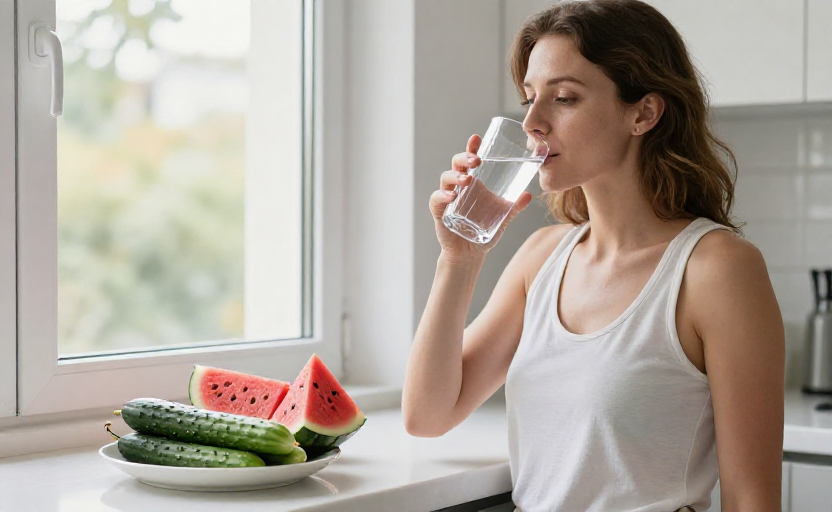
Start with Water-Rich Foods. Hydration isn't just from your bottle. Foods like cucumbers, watermelon, strawberries, celery, lettuce, and zucchini are over 90% water. Including more of these in your diet adds to your fluid intake and provides vital nutrients for skin and tissue health.
Listen to Your Body's Thirst Cues. The color of your urine is a practical guide. Aim for a pale straw color. Dark yellow often signals a need for more fluids, while completely clear may mean you're drinking a bit too much too fast.
Consider Your Environment. Dry air from heating or air conditioning can pull moisture from your skin and mucous membranes. Using a humidifier in your bedroom, especially while sleeping, can help counteract this environmental dryness.
Support Overall Circulation. Good blood flow delivers nutrients and moisture to all tissues. Regular gentle movement, like walking or yoga, can improve circulation. Avoiding sitting for prolonged periods and managing stress are also important for vascular health.
If you've adjusted your hydration habits and vaginal dryness persists, it's a good idea to speak with a healthcare provider. It can be a symptom related to hormonal changes, certain medications, or other health conditions, and they can help you explore a full spectrum of supportive options.