For many women, menopause brings a wave of changes—hot flashes, night sweats, brain fog, and fatigue. While we often hear about what to eat or which supplements to take, the role of daily hydration is frequently overlooked. The truth is, what you drink (and how much) can either soothe your symptoms or make them significantly worse.
Below, we look at the specific hydration habits that can intensify discomfort during this transition and offer gentle, practical shifts to help you feel more balanced.
Drinking Ice Water During a Hot Flash
It seems logical: when a hot flash hits, reach for a glass of ice water. However, for many women, sudden extreme cold can actually shock the nervous system and trigger an even stronger vasomotor response. The body may interpret the chill as a threat, causing blood vessels to constrict and then dilate rapidly—making the next hot flash more intense.
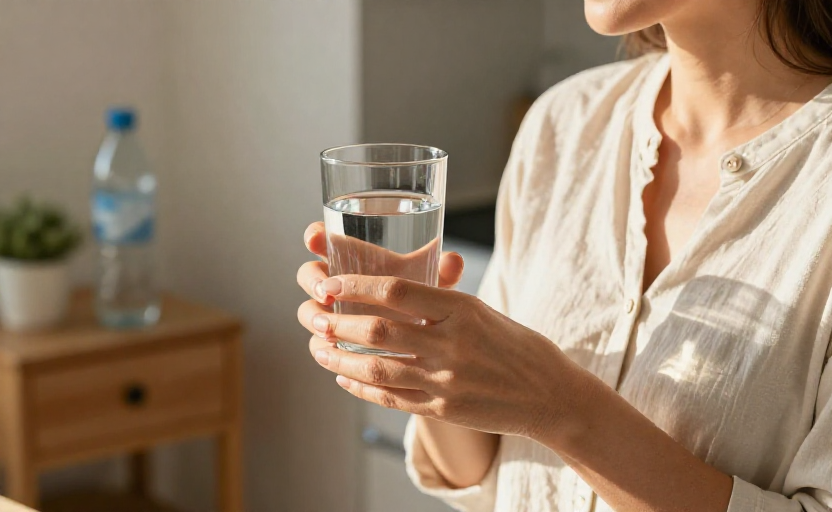
A better approach: Sip water that is cool or at room temperature. This allows your body to regulate its temperature more gradually and may reduce the frequency of rebound flashes.
Skipping Water for Coffee (All Day Long)
Caffeine is a known trigger for hot flashes and night sweats in many women. If you start your morning with two cups of coffee, follow it with an afternoon soda or iced tea, and barely touch plain water, you are likely exacerbating symptoms. Caffeine acts as a diuretic, which can lead to mild dehydration. Even a small fluid deficit can make it harder for your body to regulate internal temperature.
A better approach: For every caffeinated beverage, drink at least one glass of water. Try swapping one afternoon coffee for a caffeine-free herbal tea such as peppermint or rooibos.
Relying on Sugary Drinks for Energy
When fatigue sets in, it is tempting to reach for a sports drink, sweetened juice, or a sugary latte. However, sugar spikes are closely tied to hot flash severity. High blood sugar can trigger the release of adrenaline and cortisol, both of which can stoke the fire of a vasomotor episode. In addition, sugar can disrupt sleep quality, which is already fragile during menopause.
A better approach: If you need an energy boost, try a small handful of almonds or a hard-boiled egg with a glass of water. For flavor, add a slice of lemon, cucumber, or a few mint leaves to plain water.
Quick tip: If you are prone to night sweats, keep a reusable water bottle on your nightstand. Drink a few sips whenever you wake—this helps replace lost fluids without shocking your system.
Drinking Too Much Water Right Before Bed
While staying hydrated is essential, flooding your system with a large amount of water in the hour before bed can backfire. It increases the likelihood of waking up to urinate, which interrupts the deep sleep cycles your body needs to regulate hormones. Fragmented sleep is a well-known amplifier of menopause symptoms, including mood swings and brain fog.
A better approach: Front-load your hydration earlier in the day. Aim to finish most of your fluid intake by early evening. If you are thirsty at bedtime, take only a few small sips—enough to moisten your throat, not to fill your bladder.
Ignoring Electrolytes on Sweaty Days
Night sweats and hot flashes cause the body to lose not just water but also sodium, potassium, and magnesium. If you replace lost water without replenishing electrolytes, you may still feel fatigued, dizzy, or experience muscle cramps. Low magnesium levels are also linked to worsened sleep and increased anxiety.
A better approach: On days when you have had significant sweating, include electrolyte-rich foods in your diet: a banana, a handful of spinach, a glass of coconut water (unsweetened), or a pinch of high-quality salt in your water. Avoid commercial sports drinks that are loaded with sugar and artificial colors.
What to Do Instead: A Simple Hydration Strategy
- Start your day with water: Drink 8–12 ounces of plain water first thing, before coffee or tea.
- Track your color: Pale yellow urine is a good sign. Dark amber means you need more fluids.
- Balance temperature: Prefer room-temperature or cool drinks over ice-cold ones.
- Limit caffeine after 2 p.m.: This helps both sleep and hot flash severity.
- Listen to your body: If you feel a hot flash coming on, try slow, deep breaths while sipping water rather than gulping it down.
Small, mindful adjustments to your daily hydration routine can create a noticeable difference in how you feel during menopause. Your body is already working hard to adapt—support it with water that works with you, not against you.