For many people, menstrual cramps are a monthly reality. While some discomfort is common, the intensity can vary dramatically from one cycle to the next. Often, we don't realize that our everyday routines and choices can directly influence that level of pain. Certain daily habits, seemingly unrelated, can amplify inflammation, increase muscle tension, or disrupt hormonal balance, turning manageable cramps into a debilitating experience.
The good news is that small, intentional shifts in these habits can create a meaningful difference. By identifying and adjusting these common patterns, you can support your body's natural processes and cultivate a more comfortable cycle.
Which everyday habits might be making cramps worse?
It's easy to overlook how our daily routines interact with our menstrual health. The following habits are common culprits that can exacerbate cramping pain.
Reaching for inflammatory foods and drinks
When cramps strike, the instinct to seek comfort in food is strong. Unfortunately, many classic comfort choices can fuel the fire of inflammation. Diets high in processed foods, refined sugars, and saturated fats are linked to increased production of prostaglandins—the hormone-like compounds that trigger uterine muscle contractions. More prostaglandins often mean stronger, more painful cramps.
Common inflammatory triggers include sugary snacks, fried foods, processed meats, and excessive caffeine or alcohol.
Similarly, while a glass of wine or a cocktail might feel relaxing, alcohol is a diuretic and can contribute to dehydration and bloating, which can intensify pelvic pressure and discomfort.
Skipping movement and staying sedentary
When you're in pain, curling up on the couch feels like the only option. However, prolonged inactivity can lead to stiffness and reduced blood flow to the pelvic region. This stagnation can make cramps feel more concentrated and severe. Gentle movement is crucial for circulating oxygen, releasing endorphins (your body's natural pain relievers), and easing muscle tension.
Neglecting hydration
Dehydration doesn't just cause thirst. It can lead to water retention as your body tries to hold onto fluids, resulting in increased bloating. This added pressure in the abdomen can make menstrual cramps feel more acute. Furthermore, proper hydration is essential for all bodily functions, including the efficient transport of nutrients and the flushing of excess prostaglandins.
Managing stress poorly
Chronic stress keeps your body in a heightened state of alert, raising cortisol levels. Elevated cortisol can disrupt other hormonal pathways, potentially worsening PMS symptoms and pain perception. Stress also leads to physical tension, often settling in the back, hips, and abdomen—areas already under strain during menstruation.
What to do instead for more manageable cycles
Shifting these habits doesn't require a complete life overhaul. Focus on gentle, sustainable swaps that support your body.
Nourish with anti-inflammatory foods
Prioritize whole foods known for their anti-inflammatory properties. This approach helps balance prostaglandin levels naturally.
- Focus on omega-3s: Incorporate fatty fish like salmon, chia seeds, flaxseeds, and walnuts.
- Load up on magnesium: This mineral helps relax muscles. Find it in leafy greens, almonds, avocados, and dark chocolate.
- Choose complex carbs: Opt for whole grains, sweet potatoes, and legumes for steady energy and fiber.
- Embrace herbs and spices: Ginger and turmeric have notable anti-inflammatory effects. Try them in teas, soups, or smoothies.
Incorporate gentle, consistent movement
You don't need a high-intensity workout. The goal is to promote circulation and release tension.
- Walking: A simple 20-30 minute walk can work wonders for circulation and mood.
- Yoga or stretching: Focus on poses that open the hips and gently stretch the lower back, like Child's Pose or a reclining bound angle pose.
- Light cycling or swimming: These low-impact activities can be soothing.
Listen to your body. Some days, movement might mean a few gentle stretches on your mat.
Make hydration a consistent priority
Drink water consistently throughout the day, not just when cramps begin. Herbal teas can be a wonderful addition; chamomile or peppermint tea may offer soothing benefits for the digestive system and muscles. Reducing caffeine and alcohol intake, especially in the days leading up to your period, can also help minimize dehydration and bloating.
Develop a stress-resilience toolkit
Building small practices to manage daily stress can have a cumulative effect on your menstrual health.
- Practice breathwork: Simple deep breathing activates the parasympathetic nervous system, signaling your body to relax.
- Try meditation or mindfulness: Even five minutes a day can help lower cortisol levels.
- Prioritize sleep: Quality rest is foundational for hormonal balance and pain tolerance.
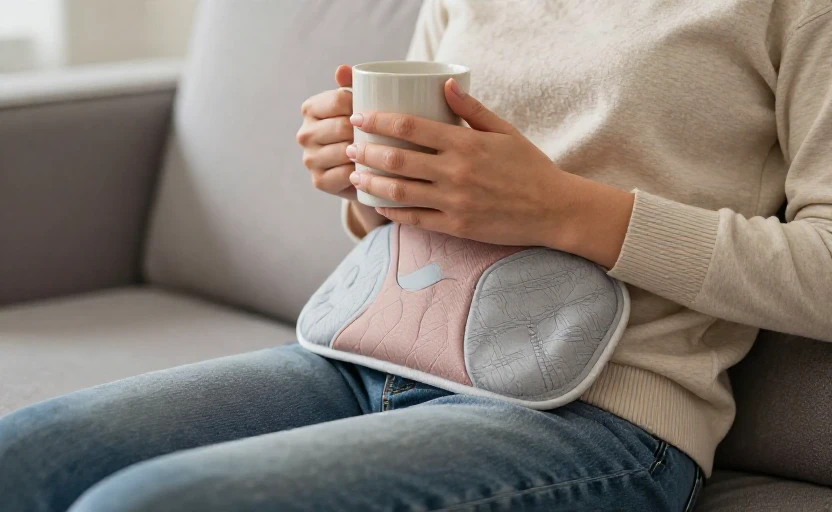
- Apply warmth: A heating pad or hot water bottle on your lower abdomen or back can relax contracting muscles and provide immediate comfort.
Remember, these changes are most effective when adopted as ongoing lifestyle habits, not just emergency measures when pain hits. It's about building a foundation of wellness that supports you through every phase of your cycle.