
When you're trying to conceive, the focus often lands on what to add—prenatal vitamins, ovulation tracking, healthy foods. But sometimes, the most impactful changes come from noticing what to gently set aside. Our daily routines, often performed on autopilot, can quietly influence hormonal balance, egg and sperm health, and the body's readiness for pregnancy. Understanding these subtle influences isn't about assigning blame; it's about empowering choice and creating an environment where conception is more likely to thrive.
Fertility is a complex dance of timing, health, and environment. By bringing awareness to common habits, we can make informed adjustments that support, rather than hinder, the journey to parenthood.
How does everyday stress impact fertility?
Chronic stress is more than a feeling; it's a physiological state that can directly affect reproductive hormones. When the body is in a constant state of high alert, it prioritizes survival functions over non-essential ones like reproduction. This can lead to irregular ovulation or even anovulation (where no egg is released). In men, prolonged stress may lower sperm count and motility.
It's not about eliminating stress entirely, which is impossible, but about building regular practices to counter its effects.
Consider the sources: Is it a demanding job, financial worry, or the fertility journey itself creating tension? Gentle, consistent practices like mindful breathing, short daily walks in nature, or prioritizing sleep can signal to your nervous system that it's safe to focus on reproduction.
Could your sleep schedule be a factor?
Sleep is when your body repairs itself and regulates key hormones, including those crucial for fertility like leptin, ghrelin, and cortisol. Consistently getting less than seven hours of quality sleep can disrupt this delicate balance.
- Disrupted Circadian Rhythms: Shift work or highly irregular bedtimes can interfere with the release of melatonin and reproductive hormones.
- Impact on Egg and Sperm Health: Poor sleep is linked to increased oxidative stress, which can damage cells, including eggs and sperm.
- Hormonal Cascade: Sleep deprivation often elevates cortisol and can affect insulin sensitivity, both of which are tied to ovulatory function.
Creating a sleep sanctuary—dark, cool, and device-free—and aiming for consistent bed and wake times are foundational habits for hormonal health.
What common dietary patterns might pose a problem?
Nutrition for fertility isn't just about what you eat, but also about patterns that may seem harmless. Extreme dieting, excessive caffeine, and high intake of processed foods can create internal roadblocks.
Extreme Calorie Restriction: When the body senses a famine, it conserves energy by downregulating reproductive function. This can halt ovulation. Similarly, excessive exercise that burns far more calories than you consume can have the same effect.
Caffeine Consumption: While a morning cup of coffee is generally fine, high daily intake (often considered over 300-500 mg) has been associated with longer time to conception and increased risk of miscarriage in some studies. This includes coffee, strong tea, energy drinks, and large amounts of dark chocolate.
Processed Foods and Trans Fats: A diet high in sugary snacks, refined carbs, and fried foods can promote inflammation and insulin resistance, which are known disruptors of ovulation. Opting for whole foods—fruits, vegetables, lean proteins, and healthy fats—provides the building blocks for healthy hormones.
Are there hidden toxins in your daily routine?
We encounter countless chemicals daily, but some are known endocrine disruptors, meaning they can mimic or interfere with your body's hormones. While it's impossible to avoid all exposure, reducing contact with major sources can be beneficial.
Personal Care Products
Many lotions, shampoos, and cosmetics contain parabens and phthalates, which can have estrogen-like effects. Choosing products labeled "paraben-free" and "phthalate-free" or using simpler, fewer products can reduce this load.
Household Cleaners and Plastics
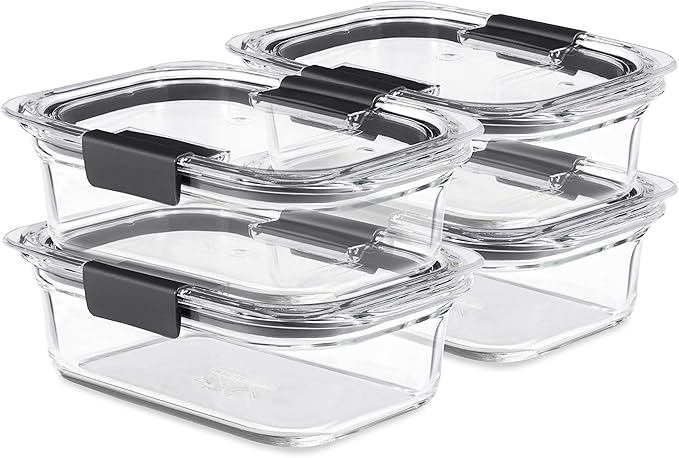
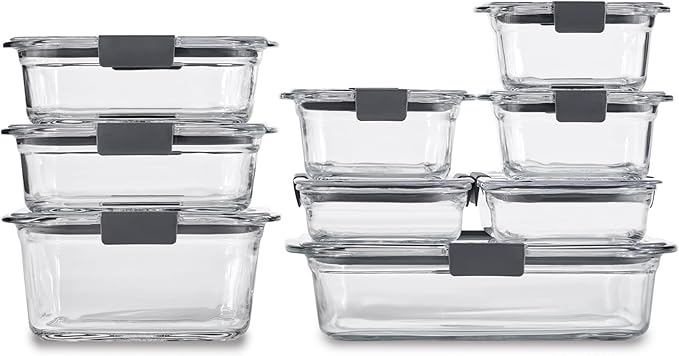
Conventional cleaning sprays and air fresheners can release volatile organic compounds (VOCs). Opting for vinegar, baking soda, or certified green cleaners is a safer choice. Also, avoid heating food in plastic containers, as heat can cause chemicals like BPA to leach into food. Use glass or ceramic instead.
The goal isn't perfection, but progressive reduction. Small swaps over time add up to a significantly lower toxic burden.
How do lifestyle habits like smoking and alcohol fit in?
This is one of the most well-documented areas. Smoking and heavy alcohol consumption are directly toxic to fertility.
- Smoking: It accelerates egg loss in women, damages DNA in both eggs and sperm, increases miscarriage risk, and can bring on earlier menopause. Secondhand smoke is also a concern.
- Alcohol: Regular, heavy drinking can disrupt ovulation and menstrual cycles. For men, it can lower testosterone and sperm quality. Most experts recommend minimizing or eliminating alcohol while trying to conceive, as there is no known safe level during this sensitive time.
Quitting smoking is one of the most powerful single actions you can take for your fertility and future pregnancy health. Reducing alcohol is equally significant.
Remember, this information is for educational purposes. If you're concerned about how your habits are affecting your fertility, the most important step is to have an open conversation with your doctor or a reproductive endocrinologist. They can provide guidance tailored to your unique health picture and help you create a supportive, realistic plan as you move forward on your path to conception.