When you stop taking hormonal birth control, you expect your body to find its own rhythm again. But sometimes, that rhythm takes its time to return. While it’s normal for your cycle to be irregular for a few months, certain daily habits can unintentionally prolong this transition, making the wait for a regular period feel even longer.
Understanding these habits isn’t about assigning blame—it’s about offering your body the supportive environment it needs to recalibrate. Your endocrine system, the delicate network of glands that regulates your hormones, is waking up from a long, managed sleep. The choices you make each day can either gently nudge it awake or add to the confusion.
How Hormonal Birth Control Affects Your Cycle
To understand the delay, it helps to know what’s happening. Birth control pills, patches, rings, and some IUDs work by supplying steady, synthetic hormones. These effectively put your ovaries on pause, stopping ovulation and creating a predictable, artificial cycle. When you stop, your body must restart its own complex hormonal conversation between your brain, pituitary gland, and ovaries to begin ovulating again. This process, called the hypothalamic-pituitary-ovarian (HPO) axis reboot, is where daily factors come into play.
Your first few cycles off birth control are a recalibration period. Patience is key, but your lifestyle can set the stage for a smoother transition.
Habits That Can Slow Your Cycle's Return
These common factors influence the very systems responsible for regulating your menstrual cycle. Being mindful of them can help you support your body’s natural return to regularity.
Significant or Rapid Weight Changes
Body fat produces estrogen. Losing a substantial amount of weight quickly, especially if your body fat percentage drops too low, can signal to your body that resources are scarce, making it an unfavorable time for reproduction. This can suppress ovulation. Conversely, rapid weight gain can also disrupt hormone balance through increased estrogen production and inflammation, further confusing your system as it tries to reset.
High-Stress Lifestyles
Chronic stress is one of the most common culprits behind cycle disruption. When you’re under constant stress, your body prioritizes cortisol production. This stress hormone can directly interfere with the production of gonadotropin-releasing hormone (GnRH), the master switch in your brain that kicks off the entire ovulation process. High cortisol can also make your cells less sensitive to other hormones, creating a cascade of miscommunication.
Intense Exercise Without Adequate Fuel
Regular movement is wonderful for health, but pushing your body too hard without supporting it with enough calories and nutrients can be perceived as a physical stressor. This combination—often seen in athletes or those with very rigorous training schedules—can lead to a form of functional hypothalamic amenorrhea, where the brain’s signaling center for reproduction dials back its activity.
Inconsistent or Poor Sleep Patterns
Sleep is when your body repairs itself and regulates hormones. Consistently short-changing sleep, or having an erratic sleep schedule, disrupts the production of melatonin and cortisol, which in turn can affect reproductive hormones like estrogen and progesterone. Think of it as trying to reset a delicate clock while constantly shaking it.
Nutritional Gaps
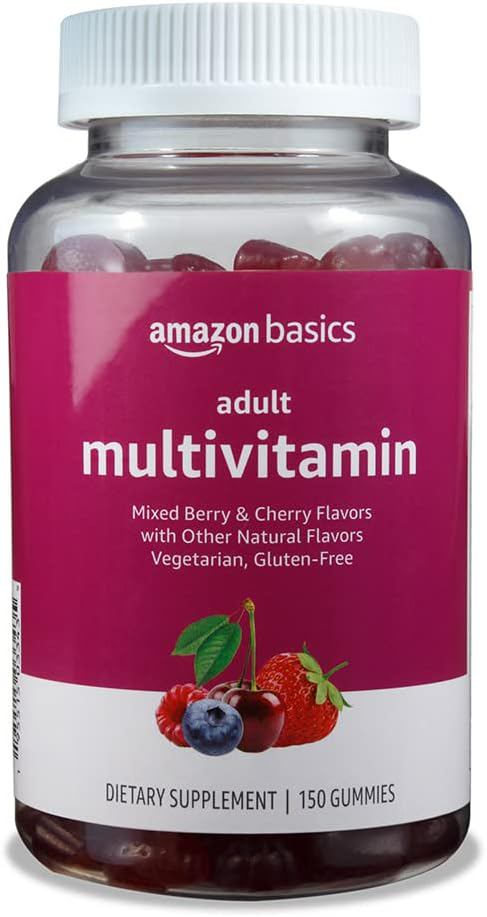
Your body needs specific building blocks to manufacture hormones. Skimping on overall calories, healthy fats (like those from avocados, nuts, and olive oil), or key micronutrients like zinc, B vitamins, and magnesium can slow down the hormone production process. It’s like trying to rebuild an engine without all the necessary parts.
What You Can Do to Support the Process
Instead of focusing solely on what to avoid, consider what you can add in. The goal is to reduce systemic stress on your body and provide it with abundant resources.
- Prioritize consistent sleep: Aim for 7-9 hours per night, and try to go to bed and wake up at similar times, even on weekends.
- Nourish your body consistently: Focus on balanced meals with plenty of colorful vegetables, quality proteins, and healthy fats. Avoid drastic, restrictive diets.
- Manage stress actively: This looks different for everyone. It might be daily walks, meditation, journaling, gentle yoga, or simply setting better boundaries.
- Adjust your exercise mindset: If you’re a high-intensity enthusiast, consider balancing your routine with more restorative movement like walking, stretching, or Pilates while your cycle regulates.
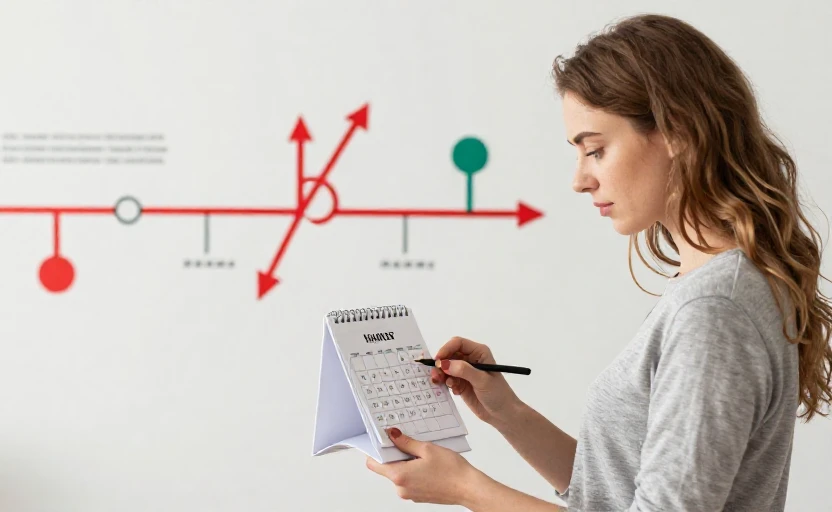
- Practice patience: It can take three to six months, or sometimes longer, for a regular ovulation pattern to re-establish. Track your cycle with simple notes or an app, but avoid obsessing over daily changes.
When to Consult a Healthcare Provider
While post-pill irregularity is common, it’s wise to check in with a doctor or gynecologist if you have specific concerns. Consider making an appointment if:
- You have gone a full year without a period after stopping birth control.
- You experience very painful periods, extremely heavy bleeding, or other new, severe symptoms.
- You have other signs of an underlying condition, such as excessive hair growth or acne.
- You’re concerned about potential fertility issues and want a evaluation.
They can help rule out other conditions like PCOS, thyroid disorders, or premature ovarian insufficiency, and provide personalized guidance for your situation.
Remember, your body isn’t broken; it’s navigating a significant hormonal shift. By cultivating daily habits that signal safety and abundance, you create the best possible conditions for your natural rhythm to return in its own time.