
Living with PCOS often feels like your body is operating on its own mysterious schedule. You track, you plan, you hope, and yet your menstrual cycle can still feel unpredictable. While the hormonal imbalances of PCOS are the root cause, the daily choices we make—often with the best intentions—can either gently support our system or inadvertently push it further off course.
It’s not about blame or perfection. It’s about awareness. Many of the routine mistakes that disrupt cycles are subtle, woven into the fabric of a busy life. They’re not dramatic missteps, but consistent patterns that, over time, can amplify the underlying signals of PCOS. By identifying these common pitfalls, we can make small, sustainable shifts that help create a more stable internal environment for our hormones to find their rhythm.
Are you under-eating or skipping meals?
In a culture obsessed with dieting, eating less can feel like the default path to health. But for someone with PCOS, consistent, nourishing meals are non-negotiable for hormonal balance. When you under-eat or go long periods without food, your body perceives it as a stressor. In response, it may increase cortisol (the stress hormone) and slow down non-essential functions—including reproduction.
Your body needs a steady stream of fuel to feel safe enough to support a regular cycle.
This doesn’t just mean severe calorie restriction. It can look like a “healthy” breakfast of black coffee, a light salad for lunch, and a sensible dinner. If your energy intake is consistently too low for your body’s needs, it can suppress the hypothalamic-pituitary-ovarian (HPO) axis, the delicate communication network that governs your cycle. The result? Delayed ovulation or anovulatory cycles, where a period may eventually arrive from a buildup of uterine lining, not from a completed ovulatory process.
Is your exercise routine working against you?
Movement is powerfully beneficial for insulin sensitivity and mood in PCOS. The mistake lies in the dose and type. Chronic, high-intensity exercise without adequate rest can be another form of physical stress, elevating cortisol and, for some, exacerbating hormonal disruption.
If your routine leaves you constantly drained, sore, or anxious about missing a workout, it might be contributing to cycle irregularity. This is especially true if it’s paired with low energy intake. The goal is to support your metabolism, not overwhelm it. Incorporating strength training, gentle cardio like walking or cycling, and true rest days can be far more supportive for hormonal health than daily, exhaustive sessions.
How is your sleep, really?
We often sacrifice sleep first, trading hours of rest for productivity or quiet time. Yet, poor or insufficient sleep is a direct disruptor of circadian rhythms, which tightly regulate hormone release. With PCOS, sleep issues like insomnia or sleep apnea are more common, creating a vicious cycle.
When you’re sleep-deprived, cortisol patterns become dysregulated, hunger hormones like ghrelin increase, and insulin resistance can worsen. All of these factors directly impact the delicate hormonal balance needed for ovulation. Prioritizing sleep isn’t a luxury; it’s a foundational pillar for managing PCOS and encouraging cycle regularity. Consistency in your bedtime and wake-up time can be as important as the total hours.
The hidden impact of constant stress
We know stress is bad, but we often underestimate its tangible, physiological impact on PCOS. It’s not just about “feeling stressed.” Chronic stress—whether from work, relationships, finances, or health worries—keeps cortisol elevated. This can directly interfere with the production of gonadotropin-releasing hormone (GnRH), the master switch for the reproductive hormone cascade.
More subtly, stress management often falls to the bottom of our self-care list. We might eat well and exercise but never truly downshift our nervous system. Practices that actively signal safety to your body—like diaphragmatic breathing, spending time in nature, or gentle yoga—are not just “relaxing.” They are active hormonal support, helping to lower cortisol and create space for reproductive hormones to function.
Nutritional gaps that matter
Beyond just eating enough, what you eat plays a role. Two common dietary patterns can be problematic:
- Extreme low-carb or ketogenic diets without guidance: While reducing refined carbs is key for insulin resistance, overly restrictive approaches can backfire. For some individuals, especially if not carefully managed, they can increase stress on the body and disrupt thyroid function, which is closely linked to menstrual regularity.
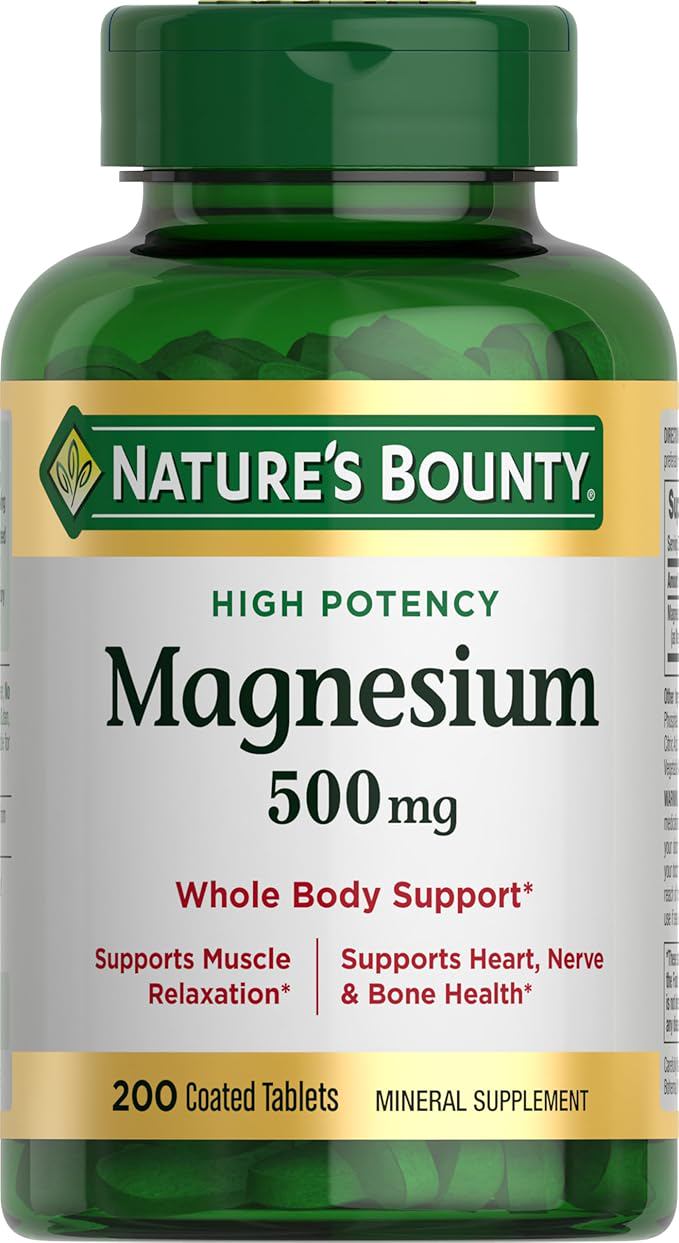
- Inadequate magnesium and B vitamins: These nutrients are cofactors in hundreds of enzymatic processes, including hormone metabolism and blood sugar regulation. Chronic stress and certain PCOS medications can deplete them. A diet lacking in leafy greens, nuts, seeds, and legumes may leave you deficient, making it harder for your body to manage the metabolic aspects of PCOS effectively.
Over-reliance on quick fixes
The desire for a solution is understandable. This can lead to a cycle of starting and stopping supplements, jumping on every new “PCOS diet” trend, or using caffeine and sugar to combat fatigue from poor sleep and stress. This inconsistency itself is a stressor.
Your endocrine system thrives on consistency and predictability. A supplement taken sporadically, a diet followed strictly for two weeks then abandoned, or erratic sleep and eating patterns all send chaotic signals. A moderate, consistent approach—even if it feels less dramatic—is often more effective in the long run for establishing cycle regularity than a series of intense, short-term interventions.
The path to a more regular cycle with PCOS is rarely a straight line. It’s a process of tuning in, observing how your body responds to your daily routines, and making gentle corrections. By addressing these common, often overlooked habits—ensuring you eat enough, balancing your exercise, protecting your sleep, managing stress actively, and seeking consistency over perfection—you build a stable foundation. This foundation allows other management strategies for PCOS to work more effectively, supporting your body’s innate capacity to find its rhythm.