
Managing Hashimoto's thyroiditis often feels like navigating a maze with shifting walls. You're told to rest, but you're exhausted. You're advised to eat well, but you're unsure what that means for your specific condition. This autoimmune disorder, where the body's immune system attacks the thyroid gland, requires a nuanced approach, and well-intentioned efforts can sometimes lead you astray. The path to feeling better isn't about a single magic bullet, but about correcting the subtle missteps that can accumulate over time.
Let's explore some of the most common pitfalls in Hashimoto's management and, more importantly, how to gently steer back toward a more supportive and effective path. This isn't about blame, but about empowerment—understanding the 'why' behind the advice so you can build a sustainable, personalized routine.
Focusing Solely on Medication, Ignoring the Autoimmune Component
Levothyroxine, the standard thyroid hormone replacement medication, is essential for correcting hypothyroidism. It replaces what your damaged thyroid can no longer produce. However, a critical mistake is treating Hashimoto's as if it were simply a hormone deficiency, while overlooking the ongoing autoimmune attack that's causing the damage.
Think of it this way: medication addresses the symptom (low thyroid hormone), but it does not directly calm the immune system's misguided assault on the thyroid gland. If the inflammation and immune activity continue unchecked, you may still experience persistent symptoms like fatigue, brain fog, and aches, even with "optimal" lab numbers.
Effective management involves two parallel tracks: replacing thyroid hormone and supporting immune system balance.
This shift in perspective opens the door to broader lifestyle strategies—like stress modulation, identifying potential food sensitivities, and ensuring nutrient sufficiency—that aim to reduce the autoimmune burden.
Chasing "Perfect" Lab Numbers Without Listening to Your Body
Lab tests are invaluable tools, but they are not the entire story. Many individuals become fixated on achieving a specific number on their TSH (Thyroid Stimulating Hormone) test, often within a standard reference range that may not be ideal for them. The mistake here is prioritizing a lab value over your actual lived experience.
You might reach a "normal" TSH but still feel unwell. Conversely, a number that looks slightly off on paper might be where you feel your best. The goal of treatment is resolution of symptoms, not just a perfect lab report.
Work with your healthcare provider to find your functional range—the zone where your labs are stable and your symptoms are minimized. This requires clear communication. Track your energy, mood, digestion, and cognitive function alongside your test results to provide a complete picture.
Adopting Extreme Diets Without Individualization
The internet is full of dietary protocols touted as cures for Hashimoto's: strict autoimmune protocols (AIP), elimination diets, or cutting out entire food groups like gluten or dairy. While these approaches can be profoundly helpful for some, the mistake is adopting them universally, rigidly, and without guidance.
An overly restrictive diet can lead to nutrient deficiencies, increased stress, and a disordered relationship with food. What works for one person may be unnecessary or even harmful for another. For instance, while gluten sensitivity is common in autoimmune conditions, it is not universal.
A more sustainable approach is to consider dietary changes as an experiment in self-awareness. You might try a structured elimination diet under the supervision of a dietitian to identify genuine triggers, rather than assuming you must avoid a long list of foods forever. The focus should be on adding in nutrient-dense, anti-inflammatory foods that support your body, not just on subtraction.
Neglecting the Profound Impact of Stress and Sleep
It's easy to dismiss stress management as "soft" advice when you're dealing with a physiological condition. This is a major oversight. Chronic stress directly impacts the immune system and can exacerbate autoimmune flare-ups. It can also disrupt the HPA axis (the body's central stress response system), which interacts closely with thyroid function.
Similarly, poor or insufficient sleep is a potent trigger for inflammation and can worsen every Hashimoto's symptom. No supplement or medication can fully compensate for chronic sleep debt.
Correcting this mistake doesn't require a complete life overhaul. It means honoring sleep as non-negotiable medicine and integrating small, consistent stress-reduction practices. This could be five minutes of diaphragmatic breathing, a daily walk in nature, or setting a firm digital curfew before bed. Consistency trumps intensity.
Over-Supplementing Without Knowing Your Needs
In the quest for wellness, it's common to amass a cabinet full of supplements—selenium, zinc, vitamin D, ashwagandha, and more. While certain nutrients are crucial for thyroid function and immune regulation (like selenium for antioxidant protection in the thyroid gland), the mistake is taking them indiscriminately.
More is not always better. Some supplements can interact with medication or cause toxicity at high doses. The prudent path is to first identify actual deficiencies or needs through blood testing (like vitamin D, ferritin, or B12 levels) and then supplement strategically, often with professional guidance. Food-first nutrition should always be the foundation.
How to Correct Course: Building a Resilient Foundation
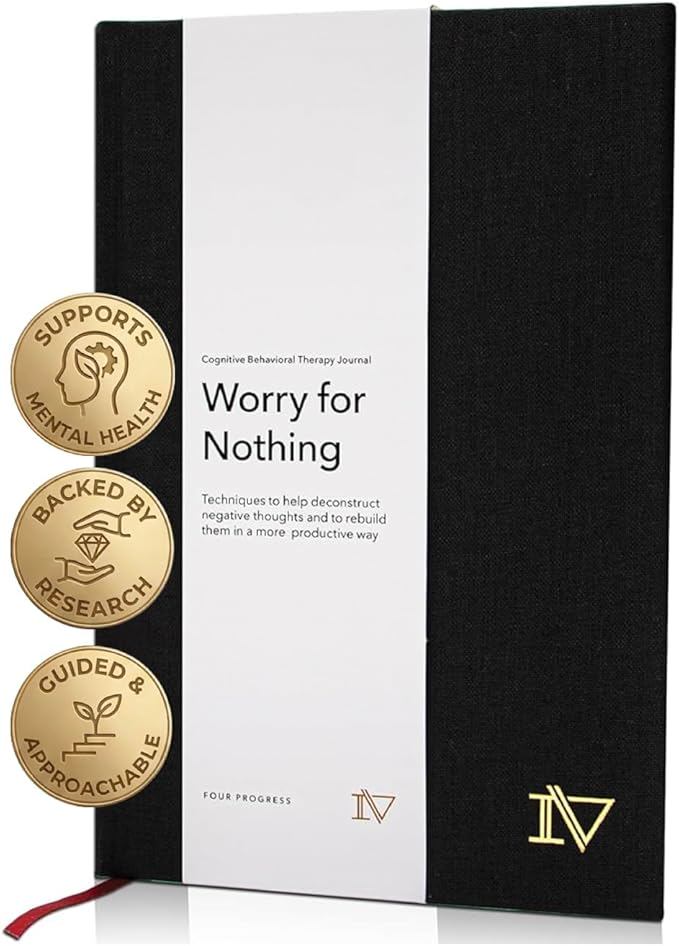
Correcting these common mistakes is less about dramatic changes and more about thoughtful, informed adjustments. Start by building a collaborative relationship with a healthcare provider who understands Hashimoto's as an autoimmune condition. Become a detective in your own health, keeping a simple journal of symptoms, diet, sleep, and stress to identify personal patterns.
Prioritize the foundational pillars: consistent, quality sleep; nourishing, mostly whole-food meals; and daily movement that feels good to your body. Address nutrient gaps based on testing, not guesswork. Approach restrictive diets as short-term investigative tools, not lifelong sentences.
Most importantly, practice patience and self-compassion. Hashimoto's management is a marathon, not a sprint. There will be good days and flare-ups. By avoiding these common pitfalls, you create a stable, supportive foundation that allows your body the best possible environment to find its balance.