
Your vagina is a self-cleaning marvel, home to a delicate ecosystem of bacteria that maintains its health and protects against infection. This community, known as the vaginal flora or microbiome, thrives on a careful balance. Yet, many of our everyday hygiene habits, often done with the best intentions, can unintentionally disrupt this balance, leading to discomfort, odor, or infections like bacterial vaginosis or yeast infections.
Understanding what not to do is often the first step toward supporting your body's natural defenses. Let's explore some common missteps that can throw your vaginal flora off course.
Overwashing and Harsh Cleansers
It feels logical to want to clean thoroughly, but the vagina does not need the same kind of scrubbing as the rest of your body. Douching—rinsing the vaginal canal with water or mixtures—is the most disruptive practice. It forcibly washes away the protective layer of good bacteria (lactobacilli), leaving the area vulnerable to overgrowth of harmful bacteria. Think of it as power-washing a delicate garden; you strip away the healthy plants that keep weeds in check.
Similarly, using harsh soaps, body washes, or scented feminine washes on or around the vulva can be problematic. These products often contain fragrances, dyes, and surfactants that strip natural oils and alter the pH of the sensitive vulvar skin and vaginal entrance. The vagina maintains a naturally acidic pH (typically 3.8 to 4.5), which inhibits the growth of unwanted organisms. Alkaline soaps can neutralize this acidity, creating a more welcoming environment for pathogens.
Your vulva only needs gentle cleansing with warm water. If you prefer to use a cleanser, choose one that is pH-balanced, fragrance-free, and designed for intimate use.
The Trouble with Scented Products
From tampons and pads to sprays and wipes, the market is full of scented feminine products. While they promise freshness, they often deliver irritation. The chemicals and perfumes used to create these scents can cause inflammation, allergic reactions, and direct harm to the mucosal lining and local flora.
This includes scented laundry detergents and fabric softeners used on underwear. Residue from these products sits against your skin all day. For a sensitive ecosystem, constant exposure to these irritants can be enough to trigger a disruption, leading to itching, burning, or recurrent infections.
Wearing the Wrong Fabrics
What you wear matters more than you might think. The vaginal area is warm and moist—an environment where bacteria and yeast can multiply quickly. Tight-fitting, non-breathable fabrics like synthetic nylon, polyester, or spandex trap heat and moisture, creating a perfect breeding ground.
This is especially true for everyday clothing like skinny jeans, synthetic leggings, and plastic-backed panty liners worn daily. Even certain types of "seamless" underwear can be culprits if they lack a breathable cotton gusset.
Poor Menstrual Product Practices
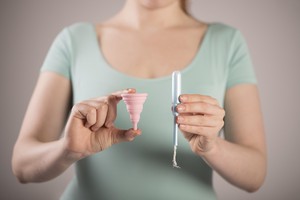
How you manage your period can significantly impact your vaginal flora. Leaving a tampon, pad, or menstrual cup in for too long is a primary concern. When blood is trapped against the vaginal walls or vulva for extended periods, it can raise the local pH (blood is more alkaline than the vaginal environment) and allow bacteria to proliferate.
- Tampons: Change them at least every 4-8 hours. Never sleep with a tampon in for more than 8 hours.
- Pads & Liners: Opt for unscented versions and change them regularly, as they can also create a warm, moist environment.
- Menstrual Cups: While they can be worn for up to 12 hours, it's crucial to wash your hands thoroughly before insertion and removal, and to clean the cup properly between uses.
Overusing Antibiotics and Antifungals
Antibiotics are life-saving medicines, but they are non-discriminatory; they kill both the bad bacteria causing an infection and the good lactobacilli protecting your vagina. This can lead to a yeast infection, as the fungus (Candida) that is normally kept in check by bacteria now has room to grow.
Similarly, using over-the-counter antifungal creams for yeast infections too frequently or without a confirmed diagnosis can also disrupt the balance. If you suspect an infection, it's best to consult a healthcare provider for an accurate diagnosis rather than self-treating repeatedly, which can sometimes make problems worse.
Everyday Habits with Hidden Impacts
Some disruptions come from less obvious sources. Sexual activity can temporarily alter pH, as semen is alkaline. This is usually temporary, but for some, it can trigger recurrent issues. Urinating after sex helps flush bacteria from the urethra but doesn't change the vaginal pH.
Even your workout routine can play a role. Sitting in sweaty gym clothes or a wet bathing suit for hours extends the time moisture is trapped against the vulva. A quick change into dry, breathable clothing or cotton underwear can make a big difference.
Caring for your vaginal health is less about adding elaborate routines and more about practicing gentle, mindful support. By avoiding these common mistakes, you allow your body's sophisticated natural systems to function as designed. If you experience persistent symptoms like unusual discharge, strong odor, itching, or burning, it's always wise to seek guidance from a healthcare professional who can provide personalized advice and treatment.