If you're navigating life with PCOS, you've likely heard that insulin resistance is a central player in the condition. It's the metabolic glitch that can make weight management feel like an uphill battle, fuel frustrating symptoms like fatigue and cravings, and increase long-term health risks. While diet is one of the most powerful tools you have to improve insulin sensitivity, some common, well-intentioned eating patterns can accidentally make things harder. The goal isn't perfection, but awareness—spotting these subtle missteps can help you build a more supportive plate.
Many of these mistakes stem from outdated advice or a focus on just one part of the picture, like calories alone. PCOS requires a more nuanced approach that considers the quality, timing, and combination of foods. Let's walk through some of the frequent dietary habits that might be undermining your efforts to manage insulin resistance, and what to consider instead.
Skipping meals or eating too infrequently
In an effort to cut calories, it's tempting to skip breakfast or go long stretches without eating. For someone with PCOS, this strategy often backfires. When you go too long without food, blood sugar can dip, triggering a surge of stress hormones like cortisol. Later, when you do eat, your body may overcompensate, leading to a sharper, higher spike in both blood sugar and insulin. This rollercoaster can increase hunger, intensify cravings—especially for quick-energy carbs—and reinforce insulin resistance over time.
Think of your metabolism like a steady-burning fire. Going too long without fuel lets it die down, and then dumping a large load on it causes a smoky, inefficient blaze.
Aim for consistent, balanced meals spaced roughly every 3 to 4 hours. This doesn't mean you need to snack constantly if that doesn't suit you, but avoiding extreme gaps helps keep blood sugar and insulin on a more even keel.
Choosing the wrong kinds of carbohydrates
Not all carbs are created equal, and a blanket “low-carb” approach can sometimes miss the mark. The bigger issue is often the type and context of the carbohydrates you eat.
Relying on refined and processed carbs is a primary concern. White bread, pastries, sugary cereals, and regular pasta are digested quickly, causing rapid glucose release into the bloodstream. This demands a large, fast insulin response. Repeatedly asking your pancreas for these insulin surges can wear down your cells' sensitivity to it.
Eating carbs in isolation is another common pitfall. Drinking a fruit smoothie alone or having a plain bagel for breakfast sends sugar straight into your system. Without protein, healthy fat, or fiber to slow digestion, the glycemic impact is much greater.
The shift here is toward whole-food carbohydrates and always pairing them. Think quinoa instead of white rice, whole oats instead of sugary cereal. And always combine them: add nuts to your oatmeal, have an apple with almond butter, or pair sweet potato with salmon and broccoli.
Overlooking the power of protein and healthy fats
Many traditional “diet” plans have conditioned us to fear fat and see protein as just for bodybuilders. For PCOS, this is outdated thinking. Both nutrients are essential for metabolic health.
Protein is not only crucial for satiety and maintaining muscle mass (which itself improves insulin sensitivity), but it also has a minimal impact on blood sugar. Including a solid source of protein—like eggs, Greek yogurt, chicken, fish, lentils, or tofu—at every meal helps blunt the blood sugar rise from any carbohydrates also on your plate.
Healthy fats from sources like avocados, olive oil, nuts, seeds, and fatty fish do not trigger insulin release. They slow gastric emptying, which further moderates the absorption of sugars. Furthermore, chronic inflammation is linked to worsening insulin resistance, and the anti-inflammatory properties of fats like those in olive oil and walnuts are particularly beneficial for PCOS.
Falling for “low-fat” or “diet” packaged foods
This is a sneaky one. Foods marketed as “low-fat” or “zero-sugar” are often highly processed to make them palatable. To compensate for removing fat, manufacturers frequently add sugar, refined carbohydrates, or artificial thickeners. That “low-fat” yogurt or salad dressing might contain more added sugar than its full-fat counterpart, spiking your insulin just the same.
Similarly, artificial sweeteners in “diet” products are a complex topic. Some emerging research suggests that certain non-nutritive sweeteners may still trigger an insulin response in anticipation of sugar or disrupt gut bacteria in ways that could affect metabolism. While the science is still evolving, it highlights that “diet” on the label doesn’t automatically mean “better for insulin resistance.” Your body often benefits more from a small amount of the real thing, mindfully consumed, than a large quantity of a chemically altered substitute.
Not getting enough fiber, especially from vegetables
Fiber is a superstar for insulin sensitivity. It slows digestion, feeds beneficial gut bacteria linked to metabolic health, and helps you feel full. The mistake is simply not eating enough of it, particularly the fibrous, non-starchy vegetables that are lowest in digestible carbs.
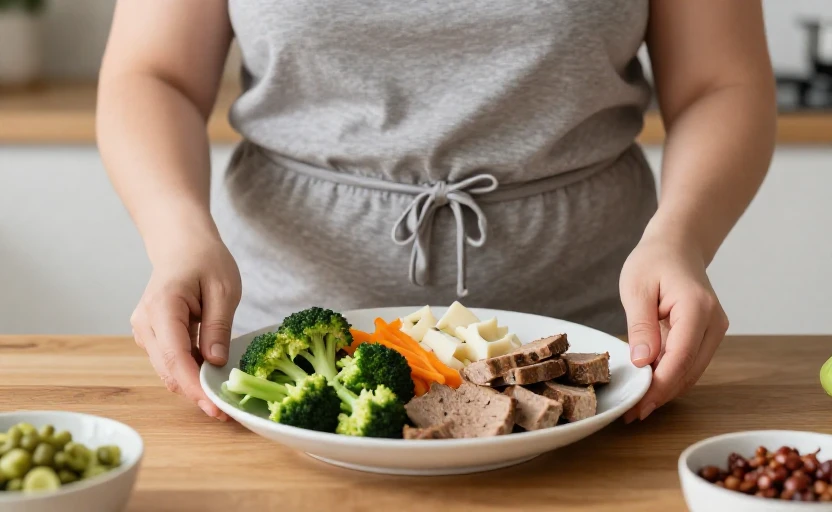
A plate that is half-filled with vegetables like leafy greens, broccoli, cauliflower, peppers, zucchini, and asparagus provides a massive volume of nutrients and fiber with very little glycemic impact. It physically crowds out space for more insulin-provoking foods. Many people focus on adding specific “superfoods” but neglect this foundational habit of loading half the plate with colorful veggies at both lunch and dinner.
Drinking your calories
Liquid calories are easy to consume quickly and don’t trigger the same satiety signals as solid food. Sugary sodas, sweetened coffee drinks, fruit juices, and even large smoothies can deliver a concentrated dose of sugar straight to your liver, prompting a significant insulin spike. This includes “natural” agave nectar or honey in your tea. Being mindful of beverages is one of the simplest ways to reduce unnecessary sugar and insulin triggers.
Focusing solely on restriction
Perhaps the biggest mistake of all is approaching PCOS management from a place of fear and deprivation. Chronic stress—including the stress of a highly restrictive diet—elevates cortisol, which can directly increase blood sugar and promote insulin resistance. If your eating plan feels punitive and unsustainable, it’s likely creating metabolic stress.
The most supportive diet for PCOS is one you can maintain consistently, that feels nourishing rather than punishing. It’s about adding in the protein, healthy fats, fiber, and colorful vegetables that stabilize your energy and hormones, not just cutting things out. Small, consistent shifts in these areas are far more powerful than short-term, perfect adherence to a rigid set of rules.