When we think of heart trouble, the classic image of someone clutching their chest is what often comes to mind. While that can certainly be a sign, the body sometimes sends more subtle—or surprisingly different—signals that something isn't right. Recognizing these less-obvious warnings can be just as critical. It’s about listening to the full story your body is telling, not just waiting for the most dramatic chapter.
Heart health awareness isn't about fostering anxiety over every little ache. It’s about understanding the distinct patterns of symptoms that, especially when they appear together or are new for you, warrant a prompt conversation with a healthcare provider. Knowledge empowers you to take the right step at the right time.
1. Discomfort, Pressure, or Pain Beyond the Chest
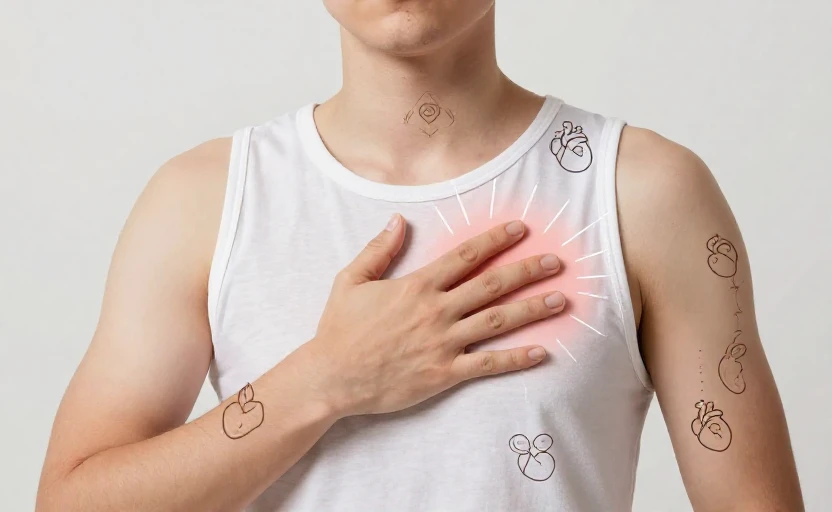
The sensation of a heart issue isn’t always a sharp, localized pain. Many people describe it as a profound discomfort—a squeezing pressure, a feeling of fullness, or a dull ache. Crucially, this sensation can radiate to areas you might not immediately connect to your heart.
Pay attention to any unexplained discomfort in your upper body. This includes your arms (particularly the left arm, though it can affect both), your back—specifically between the shoulder blades—your neck, jaw, or even your upper stomach. Sometimes, the primary feeling isn't in the chest at all; it's a jaw ache that feels like a tooth problem, or a deep ache in the back that seems muscular. The key is the onset: it’s often brought on by physical or emotional stress and may ease with rest, though not always.
If a new, unexplained discomfort spreads from your chest to your arm, jaw, or back, treat it with the same urgency as chest pain itself.
2. Breathlessness Without a Clear Cause
Feeling winded after a sprint is normal. Feeling suddenly short of breath while doing a routine task—like making the bed, walking to the mailbox, or even sitting still—is not. This kind of breathlessness, medically called dyspnea, can be a sign your heart isn't pumping efficiently enough to meet your body's needs.
You might notice it as an inability to catch your breath, a feeling of being smothered, or needing to prop yourself up with extra pillows at night to breathe comfortably. It can occur with activity or at rest. When the heart struggles, fluid can back up into the lungs, interfering with the easy exchange of oxygen. This symptom is easy to dismiss as being "out of shape" or a sign of aging, but if it’s new, worsening, or disproportionate to your activity, it deserves a professional evaluation.
3. Overwhelming Fatigue or Weakness
This isn't the usual tiredness at the end of a long day. We’re talking about a profound, crushing fatigue that comes on suddenly and without explanation. You may feel too exhausted to perform simple daily activities, like showering or grocery shopping. Your limbs might feel heavy and weak.
This happens because a heart that isn't pumping effectively can't deliver enough oxygen-rich blood to your muscles and tissues. Your body, essentially, is running on empty. This fatigue is often more pronounced in women experiencing heart issues. It’s important to distinguish this from general sleepiness or the fatigue of a busy week; this type feels abnormal and debilitating, and it doesn't reliably improve with rest.
4. Dizziness, Lightheadedness, or Fainting
Your brain requires a steady, strong supply of blood to function properly. If your heart rhythm becomes irregular or your blood pressure drops because the heart isn't pumping effectively, that supply can be disrupted. The result can be feeling dizzy, lightheaded, or even a sudden loss of consciousness (fainting, or syncope).
This can feel like the room is spinning, or a sudden sensation that you might pass out. It may happen when you stand up, but it can also occur without any trigger. While dizziness has many causes, new, severe, or recurrent episodes—especially when paired with any other symptom on this list—should be checked to rule out a cardiac origin.
What to Do If You Experience These Signs
First, don’t panic. Not every instance of fatigue or dizziness means a heart attack. But it does mean you should pause and assess the pattern.
- Listen to the combination: Are two or more of these symptoms happening together? For example, unusual fatigue and shortness of breath while doing dishes?
- Note the onset: Are these symptoms new, different, or more severe than anything you’ve felt before?
- Observe the trigger: Do they come on with physical or emotional stress and ease with rest?
If you are experiencing chest discomfort, especially with pain radiating to your arm or jaw, accompanied by shortness of breath, sweating, or nausea, call emergency services immediately. Do not drive yourself to the hospital.
For symptoms that are concerning but not sudden or severe—like new, progressive shortness of breath with daily tasks or unexplained, profound fatigue—schedule an appointment with your doctor promptly to discuss them. Keep a simple log of when symptoms occur, what you were doing, and how long they last to provide clear information.
A Note on Gender Differences
While anyone can experience any of these symptoms, women are more likely to report the "beyond chest pain" warnings. Nausea, vomiting, back pain, jaw pain, and overwhelming fatigue are frequently prominent features for women during a cardiac event. This underscores the importance of viewing this full constellation of signs, not just the classic chest-clutching pain.
Knowing these signs isn't meant to make you live in fear. It's quite the opposite. It’s a form of self-awareness that allows you to advocate for your health with clarity and confidence. Your heart’s language is more nuanced than a single alarm bell; learning its full vocabulary is one of the most caring things you can do for yourself.