
Managing high blood pressure is often framed as a clinical endeavor, defined by numbers on a monitor and prescriptions to fill. But for the millions living with this condition, the real work happens in the quiet, daily choices made at home. It’s in the kitchen, on the walking path, and in the moments of stress that we find the most powerful opportunities for change.
Cardiologists emphasize that while medication is a crucial tool for many, a sustainable lifestyle foundation is what supports long-term heart health. These aren’t drastic overhauls, but consistent, evidence-backed adjustments that work in harmony with your life and your doctor’s guidance.
Understanding Your Numbers and Your Goals
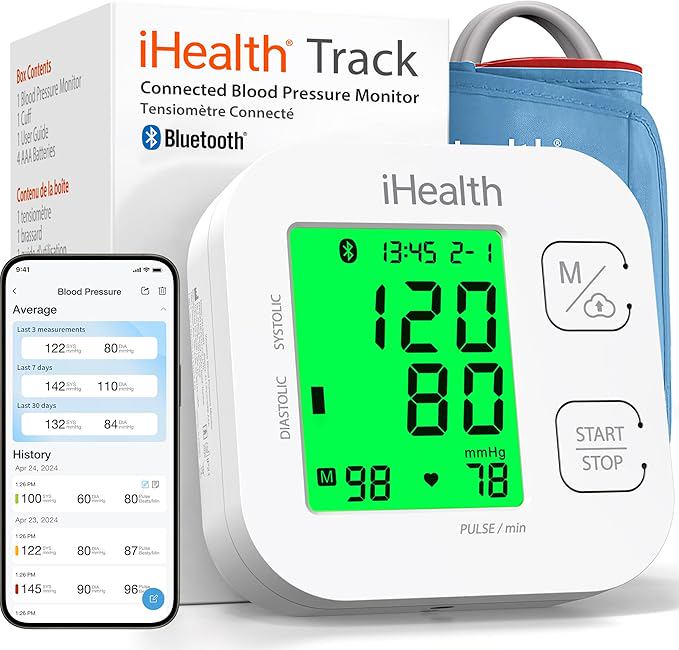
Before diving into strategies, it’s essential to know what you’re managing. Blood pressure isn’t a static number; it fluctuates throughout the day. Home monitoring becomes your window into these patterns, providing data far more meaningful than a single reading at a doctor’s office.
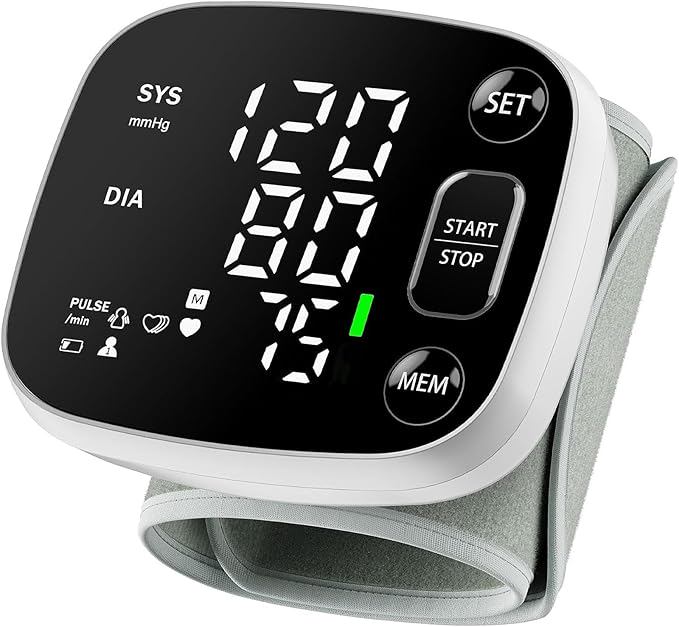
Invest in a validated, upper-arm cuff monitor. Take readings at consistent times—perhaps once in the morning before medication and once in the evening—while seated calmly for five minutes beforehand. Keep a simple log. This record helps your cardiologist see the full picture and tailor recommendations specifically for you.
Your home readings tell the story of your daily life. They show how your body responds to stress, diet, and activity, offering clues no clinic visit can capture.
The Dietary Cornerstone: More Than Just Salt
Reducing sodium is the most well-known dietary advice, and for good reason. Excess sodium causes your body to retain fluid, increasing the pressure on artery walls. Aiming for less than 2,300 milligrams daily, with an ideal goal of 1,500 mg for many, is a common target. This means becoming a label reader, as processed foods, canned soups, breads, and condiments are often the biggest culprits, not the salt shaker.
But cardiologists point to an equally powerful dietary approach: increasing potassium, magnesium, and calcium. These minerals help balance sodium’s effects and relax blood vessels. Think of it as building a positive plate, not just avoiding negatives.
- Focus on whole foods: Fill half your plate with vegetables and fruits like spinach, bananas, sweet potatoes, and avocados for potassium.
- Incorporate lean proteins: Beans, lentils, and fatty fish like salmon provide magnesium and healthy fats.
- Choose low-fat dairy: Yogurt and milk offer calcium and protein without the saturated fat.
Movement as Medicine
Regular physical activity strengthens your heart, allowing it to pump blood with less effort. You don’t need to train for a marathon. Consistency with moderate activity is key.
Aim for at least 150 minutes per week of activities that raise your heart rate—brisk walking, cycling, swimming, or dancing. Break it into manageable 30-minute sessions, five days a week. Even ten-minute bursts count. The goal is to make movement a non-negotiable part of your routine, like brushing your teeth.
Strength and Mindfulness
Don’t overlook strength training. Building muscle improves overall metabolic health. Two sessions per week focusing on major muscle groups is beneficial.
Equally important is how you manage stress. Chronic stress can lead to temporary spikes in blood pressure and, over time, may contribute to sustained high readings. Techniques like deep, diaphragmatic breathing for five to ten minutes daily, mindfulness meditation, or even gentle yoga can activate the body’s relaxation response, subtly lowering pressure.
The Overlooked Factors: Sleep and Connection
Sleep is when your cardiovascular system gets a chance to reset. Poor sleep, especially conditions like sleep apnea, can significantly elevate blood pressure. Prioritizing seven to nine hours of quality sleep per night is a cardiologist-backed strategy. Creating a cool, dark, screen-free sleep environment and a consistent bedtime routine supports this goal.
Social connection and purpose also play a role. Isolation and loneliness are linked to poorer health outcomes. Nurturing relationships, engaging in community, or pursuing hobbies you love are not just good for the soul—they’re good for your heart.
Remember, these strategies are most effective when discussed with your healthcare team. They complement medical treatment; they do not replace it. Start with one small change, master it, and then build from there. Sustainable heart health is built day by day, at home.