
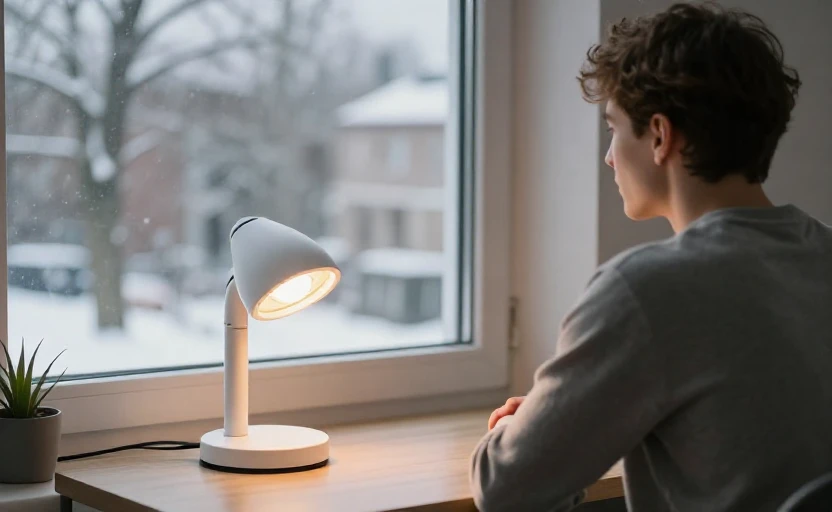
When the days grow shorter and the light fades, it’s not uncommon to feel a shift in your mood. For many, this is a temporary, manageable slump. For others, it’s the beginning of a challenging seasonal pattern. If you find yourself dreading this time of year, you might be trying to cope in ways that, while well-intentioned, could be making things harder. Recognizing these common missteps is the first step toward a brighter season.
What is seasonal depression, really?
Seasonal Affective Disorder (SAD) is more than just the "winter blues." It's a type of depression that follows a seasonal pattern, most commonly beginning in late fall or early winter and easing during the spring and summer. The reduced level of sunlight is a key trigger, which can disrupt your body's internal clock (circadian rhythm), lower serotonin levels (a brain chemical that affects mood), and alter melatonin levels, which regulate sleep.
The hallmark of SAD isn't just feeling low; it's a persistent change in energy, sleep, appetite, and interest that aligns with the seasons.
Mistake #1: Withdrawing from light and life
When energy is low and motivation falters, the instinct is often to hibernate. You might cancel plans, spend more time alone indoors, or avoid social interactions. This withdrawal feels protective, but it creates a cycle of isolation that can deepen depressive feelings. Social connection and environmental stimulation are crucial for mood regulation.
Instead of full retreat, aim for gentle engagement. This doesn't mean forcing a packed social calendar. It could look like:
- Committing to one small weekly social activity, like a coffee with a friend.
- Switching a solo indoor workout for a walk in a park, even on a cloudy day.
- Using video calls to maintain contact when leaving the house feels too difficult.
The goal is to counter the pull of isolation with manageable doses of connection and daylight.
Mistake #2: Neglecting your sleep-wake rhythm
The darkness of winter can confuse your body's natural sleep signals. You may find yourself sleeping longer yet feeling less rested, or struggling with a disrupted sleep schedule. Many people compensate by going to bed much earlier or sleeping in very late, which can further misalign their circadian rhythm, leading to increased fatigue and low mood throughout the day.
Consistency is your anchor. Try to:
- Wake up at the same time each day, even on weekends.
- Expose yourself to bright light, ideally natural morning light, soon after waking.
- Create a relaxing, screen-free bedtime routine to signal to your body that it's time to wind down.
A regular sleep schedule is a powerful, non-pharmaceutical tool for stabilizing mood and energy.
Mistake #3: Relying solely on willpower
Perhaps the most common mistake is treating seasonal depression as a motivational or character issue. Telling yourself to "snap out of it" or feeling guilty for not being more productive only adds a layer of self-criticism to an already difficult experience. SAD is a physiological response to environmental change, not a personal failing.
Effective management often requires external tools and support. This is where proven interventions come in:
- Light therapy: Using a specialized light therapy box that emits bright, full-spectrum light can mimic natural outdoor light and help regulate brain chemicals linked to mood.
- Professional support: Talking to a doctor or therapist is essential. They can provide an accurate diagnosis, rule out other causes, and discuss treatment options like cognitive-behavioral therapy (CBT) tailored for SAD or, in some cases, medication.
- Movement as medicine: Regular physical activity is a potent mood booster. The key is to find something sustainable, like a daily 20-minute walk, rather than an intense regimen that feels daunting.
Building a proactive seasonal plan
Waiting until you're in the depths of a seasonal low is the hardest time to take action. The most effective approach is a proactive one. As autumn approaches, consider what has helped in the past and what new strategies you might try. Schedule that annual check-up, research light therapy boxes, and pencil in regular walks or social dates on your calendar in advance.
Remember, seeking help is a sign of strength and self-awareness, not weakness. By understanding these common pitfalls—withdrawing, neglecting sleep rhythms, and relying on willpower alone—you can choose a more supportive path forward. Your well-being through the darker months is worth the thoughtful preparation.