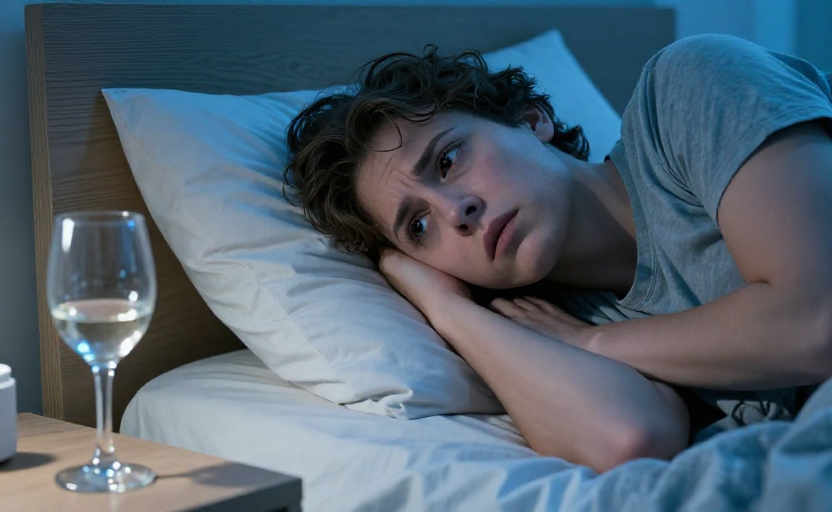
Many people reach for a glass of wine or a beer at the end of a stressful day, hoping it will quiet a racing mind and coax them into sleep. If you struggle with anxiety, the logic seems straightforward: alcohol is a depressant, so it should calm your nerves and help you drift off. However, sleep experts are clear that using even a single drink as a nightly sleep aid—especially for anxiety—does more harm than good. Here is the science behind why that one drink is likely sabotaging your rest.
Why Alcohol Feels Like It Helps at First
Alcohol does have an immediate sedative effect. In the first few hours after drinking, it boosts the activity of GABA, a neurotransmitter that inhibits brain activity and produces a sense of calm. This is why you might feel drowsy and relaxed after a single cocktail or beer. For someone with anxiety, that temporary quieting of the inner chatter can feel like a lifesaver.
But this initial sedation is deceptive. The moment you close your eyes, the real trouble begins. Alcohol is metabolized relatively quickly, and as your blood alcohol level drops, your brain mounts a rebound effect. This disruption is the core reason experts advise against the habit.
The Rebound: Anxiety and Waking in the Night
The phrase “rebound anxiety” is key here. As the sedative effects of alcohol wear off—usually a few hours into your sleep cycle—your brain’s natural alertness systems kick back into gear. This often leads to a state of heightened arousal, increased heart rate, and more frequent awakenings.
Instead of a deep, restorative sleep, you end up with a broken, fragmented night. Many people do not connect their 2 a.m. wake-up, pounding heart, and racing thoughts to the single glass of wine they had at dinner. They might blame the anxiety itself, when in reality the alcohol is causing a physiological withdrawal that mimics an anxiety attack. This is sometimes called the “hangxiety” effect, and it can be severe even after a small amount of alcohol.
The alcohol that helps you fall asleep is the same alcohol that wakes you up and keeps you on edge for the rest of the night.
The Damage to Deep Sleep and REM
Beyond causing middle-of-the-night wakefulness, alcohol directly alters your sleep architecture. It suppresses rapid eye movement (REM) sleep, the stage associated with emotional regulation and memory consolidation. Cutting REM short can leave you feeling groggy, irritable, and less able to cope with stress the next day.
Simultaneously, alcohol reduces your time in slow-wave sleep (deep sleep), which is crucial for physical restoration. You might sleep for seven hours after a drink, but the quality of that sleep is significantly lower. You are not getting the full restorative benefits your body and brain need to manage anxiety effectively. This creates a vicious cycle: poor sleep worsens anxiety, leading you to rely on alcohol again the next night.
How Much Is Too Much? The “One Drink” Warning
Conventional wisdom sometimes suggests that a single drink is harmless, but sleep research challenges that assumption. Studies show that even moderate alcohol consumption—defined as one drink for women and two for men—can disrupt sleep quality. For individuals already dealing with anxiety, the threshold for negative effects is often lower.
A standard drink (5 ounces of wine, 12 ounces of beer, or 1.5 ounces of spirits) is enough to alter your sleep cycles. The key issue is not the amount of alcohol that helps you fall asleep, but the inevitable metabolic crash that follows. For this reason, many sleep experts recommend a strict “no alcohol” window of at least three to four hours before bedtime, and ideally avoiding it entirely as a sleep aid.
Gut Health and Nighttime Discomfort
There is another underappreciated factor for those with anxiety: the gut-brain connection. Alcohol irritates the lining of the stomach and can worsen acid reflux, especially when you lie down. This physical discomfort can further disrupt sleep, even if you do not consciously register it as heartburn. Poor sleep hygiene related to digestive distress adds another layer of stress on an already anxious system.
Healthier Ways to Quiet the Mind Before Bed
If you are used to using alcohol to unwind, the idea of stopping can itself cause anxiety. The goal is to replace the habit with something that genuinely supports sleep. Non-sedative approaches are far more effective for long-term anxiety management and sleep quality.
A few strategies that address the root cause of nighttime anxiety include:
- Establish a wind-down routine: Dim the lights, put away screens, and do a relaxing activity 30-60 minutes before bed. Consistency is more powerful than any single trick.
- Try a cognitive trick: Instead of trying to “stop” anxious thoughts, schedule a “worry time” earlier in the evening. Write down your concerns and close the notebook. This signals to your brain that the problem-solving part of the day is over.
- Use gentle movement: Light stretching or a short, slow walk can help burn off the physical tension of anxiety without raising your heart rate.
- Focus on temperature: A warm bath or shower about an hour before bed helps your body cool down afterward, which is a natural trigger for sleep onset.
When to Seek Professional Help
Relying on alcohol to manage anxiety often masks a deeper, treatable condition. If you find that your anxiety makes it consistently hard to fall asleep or if you feel dependent on alcohol to relax, it is wise to speak with a therapist or a doctor. Cognitive behavioral therapy for insomnia (CBT-I) and anxiety-focused therapy are highly effective and do not carry the side effects of a nightly drink. Your sleep quality—and your daytime calm—will be far better off without the help of alcohol.