
Reaching your fifties often brings a welcome sense of perspective and confidence. It can also bring a subtle shift in how your body manages certain things—cholesterol being a prime example. While high cholesterol can affect anyone at any age, the years after 50 are a critical window for awareness and proactive management. The goal isn't to spark worry, but to provide a clear, grounded understanding of what changes and what you can do about it, empowering you to partner effectively with your healthcare provider.
Cholesterol itself isn't a villain. This waxy substance is essential for building cells and making hormones. The concern arises when levels of low-density lipoprotein (LDL), often called "bad" cholesterol, become too high, or when levels of high-density lipoprotein (HDL), or "good" cholesterol, are too low. This imbalance can allow fatty deposits to build up in artery walls, a process that develops silently over years. After 50, several factors converge that can tip this balance, making regular screening and informed lifestyle choices more important than ever.
Why Cholesterol Management Shifts After 50
Several physiological and lifestyle transitions commonly occur in this decade, each influencing your cholesterol profile. It's rarely one single cause, but a combination that underscores the value of a holistic approach.
For many, metabolism naturally begins to slow. This means your body may not burn calories as efficiently as it once did, which can contribute to weight gain—particularly around the abdomen. This visceral fat is metabolically active and can influence how your body handles cholesterol and triglycerides.
Hormonal changes play a significant role, especially for women. The decline in estrogen during menopause is a key factor, as estrogen tends to boost HDL (good) cholesterol and help keep LDL (bad) cholesterol in check. This protective effect diminishes, which is why a woman's risk for high cholesterol and heart disease can increase after menopause to more closely match that of men.
Additionally, years of dietary patterns, activity levels, and genetic predispositions have a cumulative effect. What might have been easily managed in your thirties can become a more pressing concern now, making it an ideal time to reassess and adjust.
Think of your cholesterol check after 50 not as a test, but as a vital sign—a piece of information that helps you and your doctor map the terrain of your health.
The Key Risk Factors to Discuss With Your Doctor
Understanding these factors helps frame a productive conversation during your annual check-up. They often intertwine, so addressing one can positively influence others.
Dietary Patterns Over Time
The consistent choices we make matter most. A diet high in saturated and trans fats—found prominently in red meat, full-fat dairy, fried foods, and many processed snacks—can raise LDL cholesterol. Conversely, a lack of soluble fiber (from oats, beans, apples, and Brussels sprouts) means missing out on a nutrient that helps remove cholesterol from the body.
Physical Activity Levels
Regular exercise does two important things: it helps raise protective HDL cholesterol and aids in maintaining a healthy weight. As daily routines may become more sedentary with desk jobs or lifestyle changes, intentional movement becomes non-negotiable for metabolic health.
Genetic and Familial Influences
Your family history is a powerful piece of your health puzzle. A condition called familial hypercholesterolemia, which causes very high cholesterol from a young age, is inherited. Even without this specific condition, a strong family history of early heart disease or high cholesterol significantly increases your own risk and is a clear signal for more vigilant monitoring.
Other Health Conditions
Certain conditions that become more common with age are closely linked to cholesterol. Type 2 diabetes, for instance, tends to lower HDL and raise triglycerides, another type of blood fat. An underactive thyroid (hypothyroidism) can also lead to higher total and LDL cholesterol. Managing these conditions is a direct part of managing cholesterol.
Practical, Sustainable Ways to Address Cholesterol
Addressing cholesterol after 50 is less about drastic overhauls and more about strategic, sustainable shifts. Small, consistent changes have a profound cumulative effect.
Start with your plate. Focus on adding beneficial foods rather than just restricting others. Incorporate more:
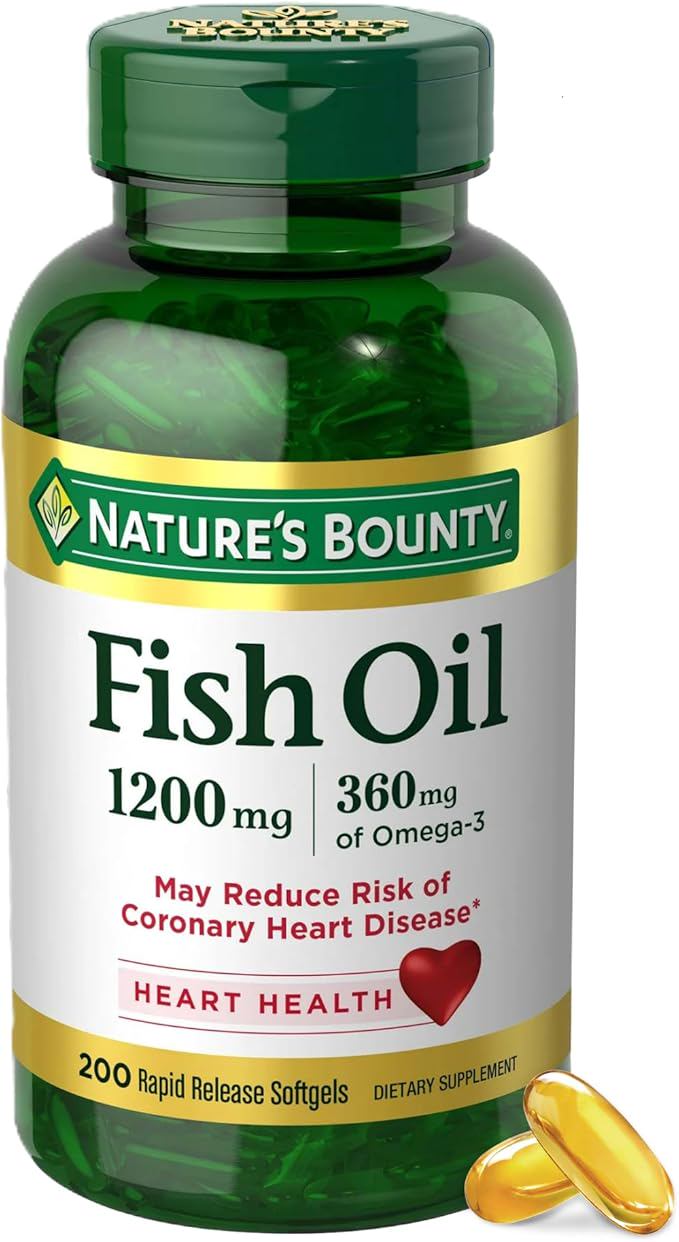
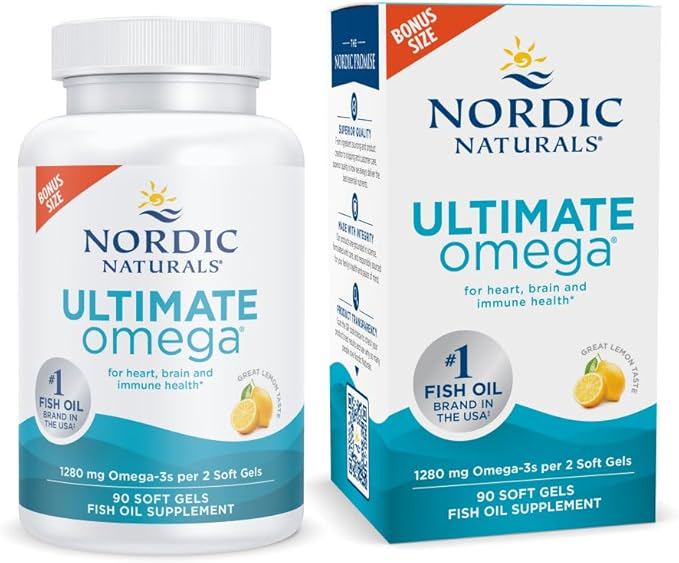
- Omega-3 fatty acids: Found in fatty fish like salmon and mackerel, as well as walnuts and flaxseeds, these fats support heart health.
- Soluble fiber: Aim for oats, barley, lentils, beans, apples, and citrus fruits. This fiber binds to cholesterol in the digestive system and helps remove it.
- Healthy fats: Use olive oil, avocados, and nuts in place of butter or tropical oils where possible.
Move your body consistently. You don't need marathon training. The American Heart Association recommends at least 150 minutes of moderate-intensity aerobic activity (like brisk walking, cycling, or swimming) per week, plus muscle-strengthening activities twice a week. The key is finding something you enjoy and will stick with—whether it's gardening, dancing, or a weekly tennis match.
If you smoke, seek support to quit. Smoking damages blood vessel walls, making them more susceptible to the accumulation of fatty deposits, and it can also lower your HDL cholesterol. Quitting is one of the most powerful single actions you can take for your cardiovascular health.
Finally, prioritize sleep and stress management. Chronic stress and poor sleep can indirectly influence cholesterol by affecting appetite, food choices, and other behaviors. Techniques like mindful breathing, spending time in nature, or maintaining social connections are not just good for the soul; they're part of a heart-healthy lifestyle.
Managing cholesterol is a marathon, not a sprint. Celebrate the sustainable habit, not just the number on the lab report.
When Lifestyle Changes Aren't Enough: Understanding Medication
For some individuals, particularly those with a strong genetic predisposition or very high cholesterol levels, lifestyle changes alone may not be sufficient to reach target levels. This is not a personal failing; it's biology. Statins and other cholesterol-lowering medications are highly effective tools that work alongside a healthy lifestyle.
If your doctor recommends medication, it's a decision based on your overall risk profile. Have an open dialogue about the benefits, potential side effects, and how the medication fits into your broader health plan. The decision to use medication is always individualized, weighing your specific numbers, family history, and other risk factors like blood pressure and diabetes.
The journey with cholesterol after 50 is one of awareness and action. By understanding the shifting landscape, partnering with your doctor for regular screenings, and embracing a heart-friendly lifestyle, you're taking powerful steps to support your vitality for all the years ahead.